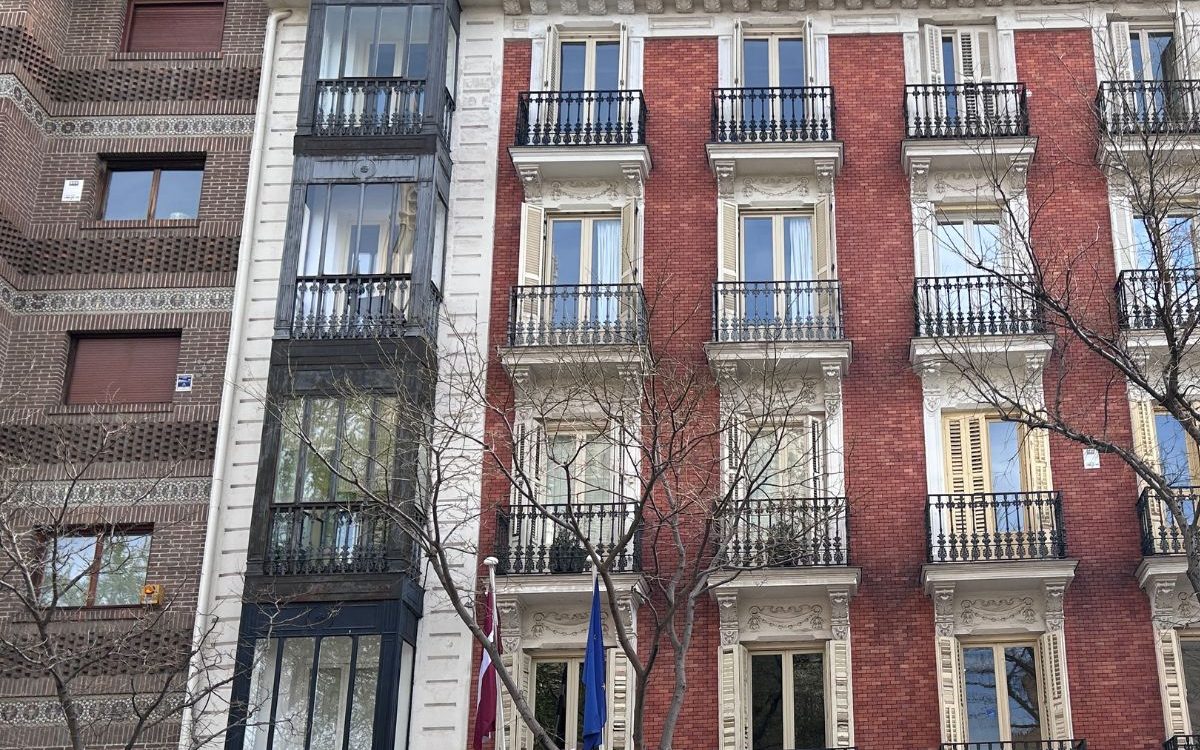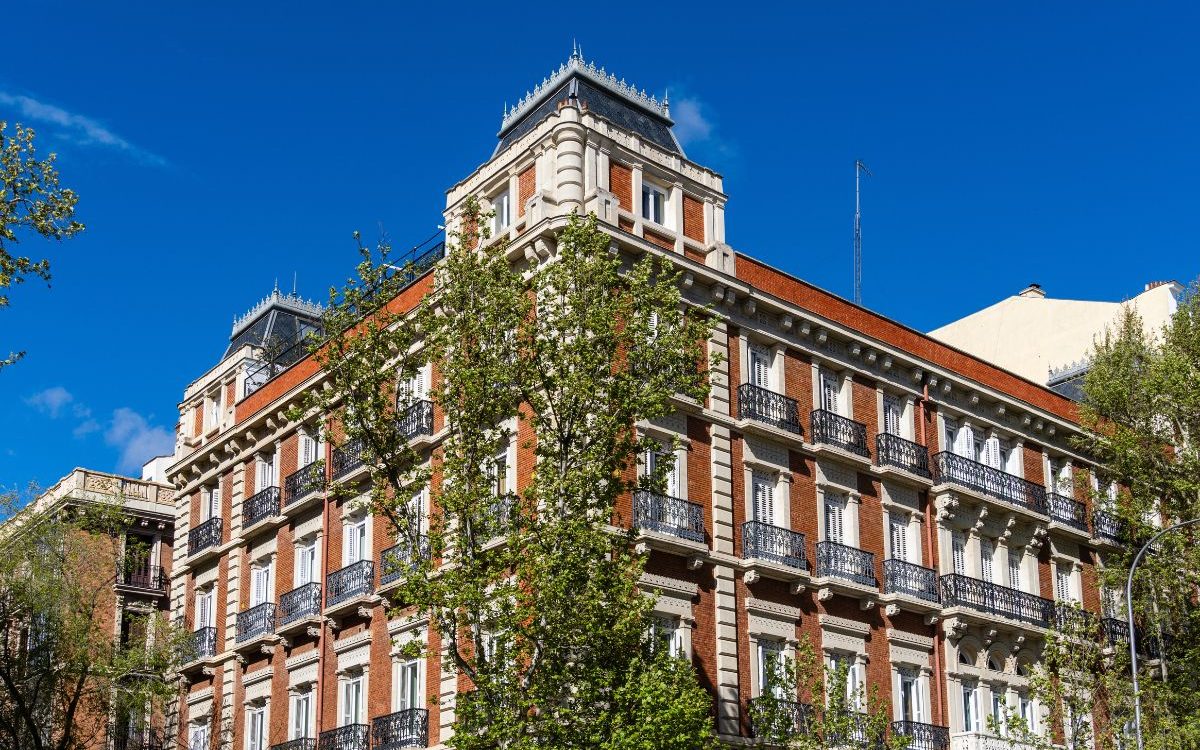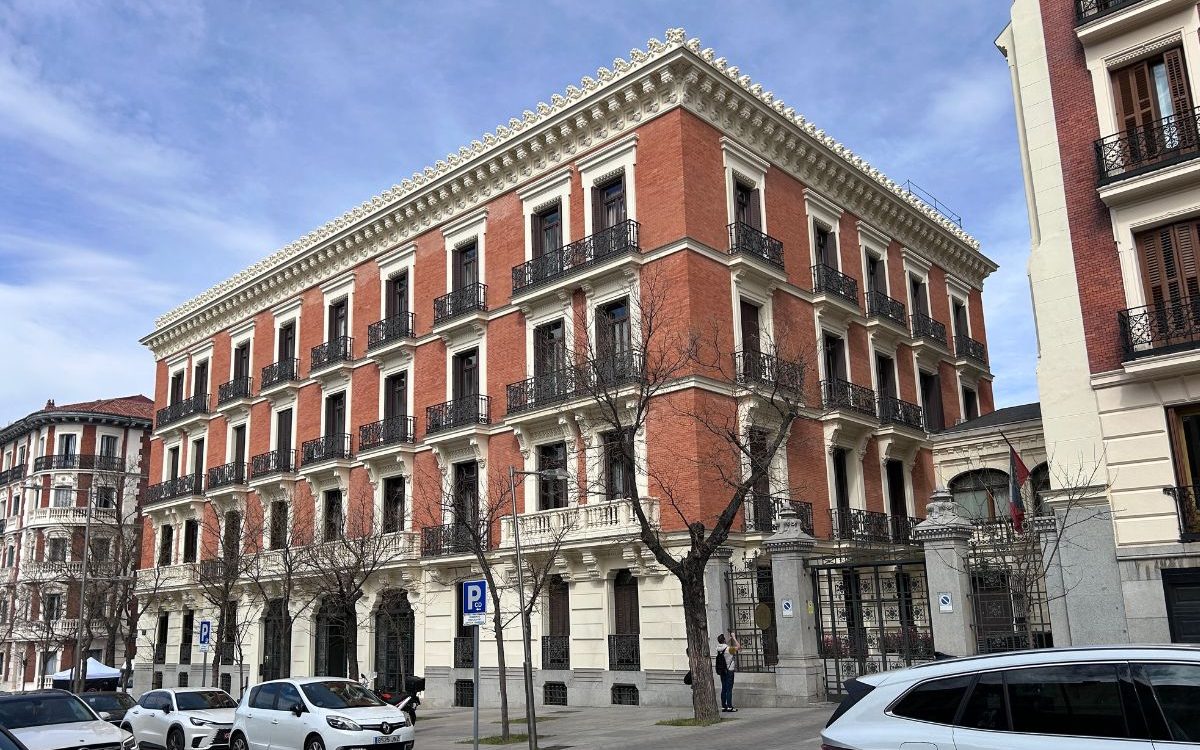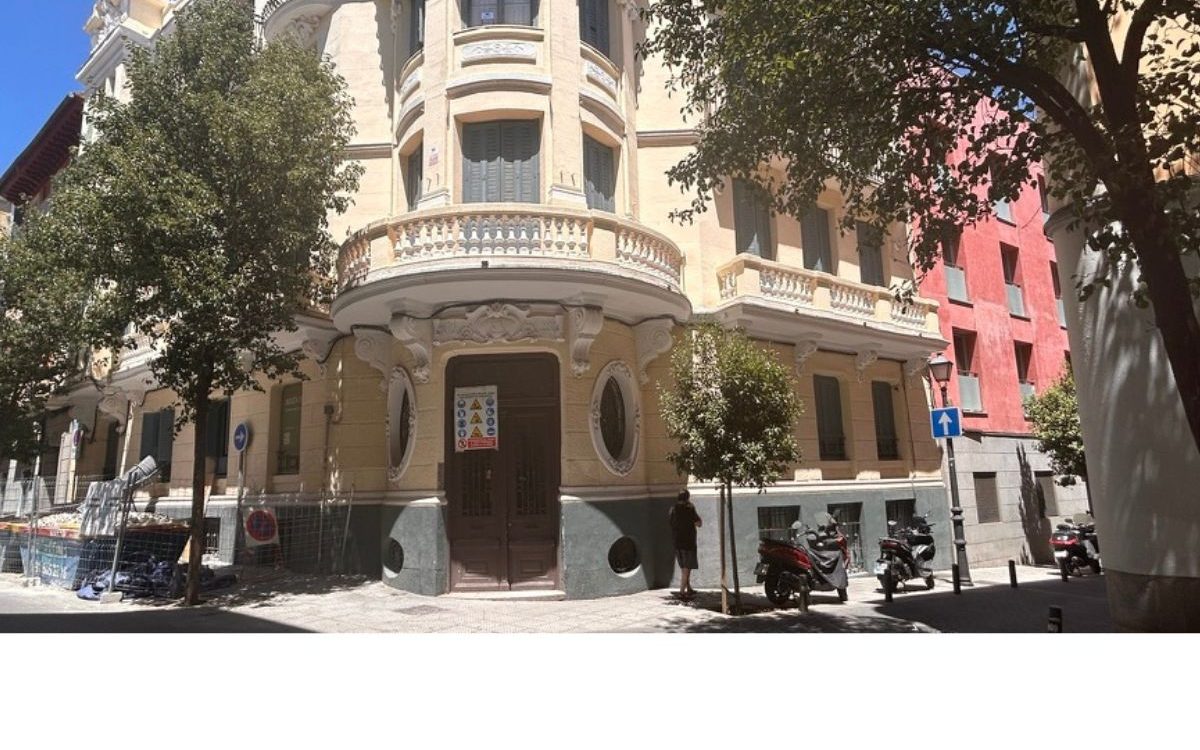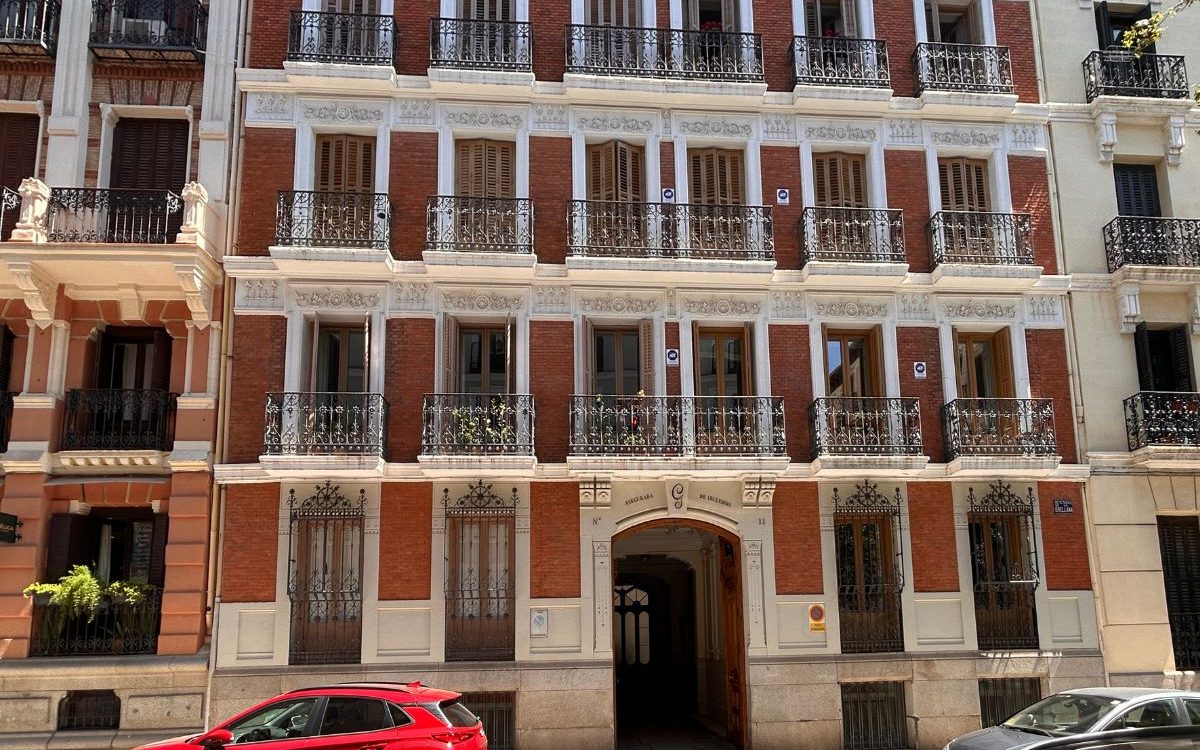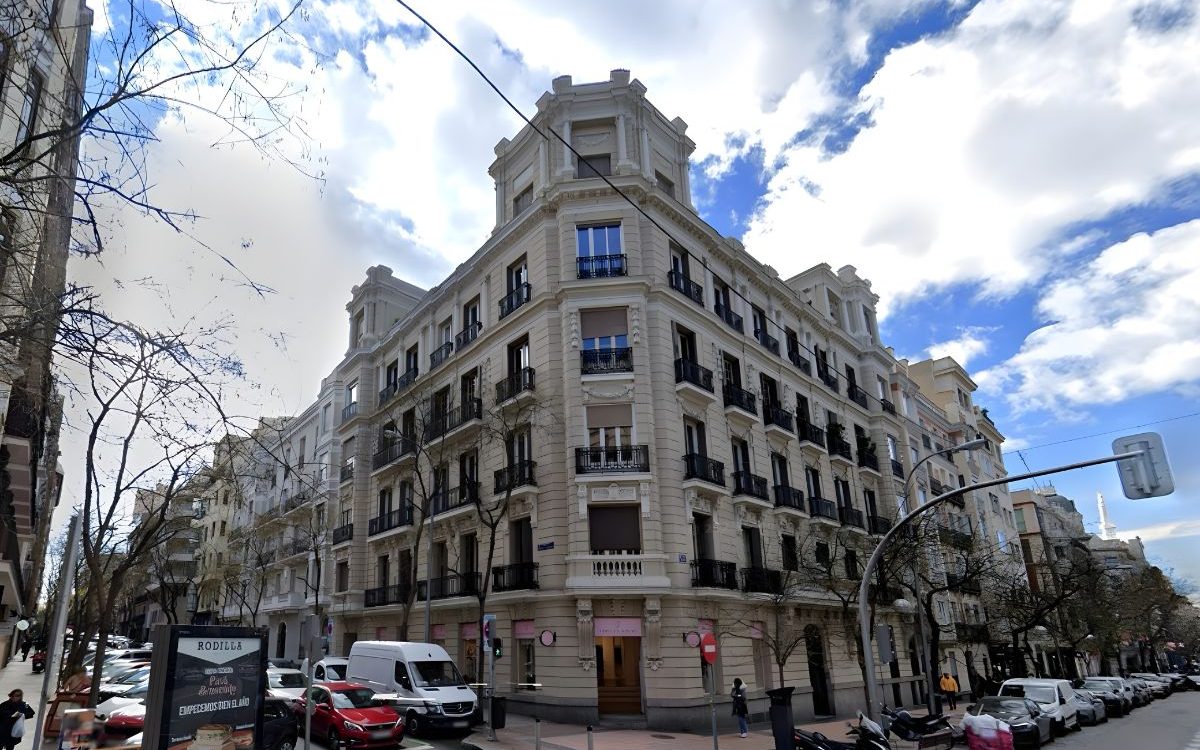
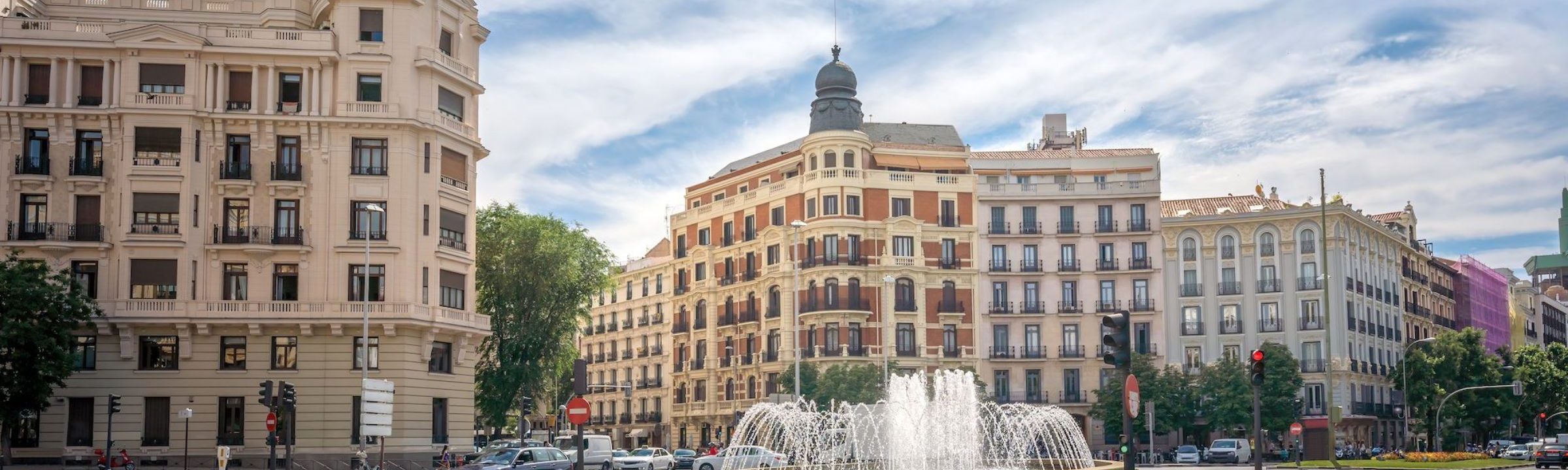
The iconic streets of prime Madrid concentrate the value that conversation usually attributes to neighborhoods.
When discussing Madrid's prime real estate market, the conversation often revolves around neighborhoods: Salamanca, Almagro, Jerónimos. But within these neighborhoods, value isn't evenly distributed. It's concentrated on specific streets—sometimes even on specific sections of a street—where architecture, surroundings, and history align to create a positioning that the market recognizes and pays for.
Naming these streets is naming the very DNA of Madrid's prime real estate market. And getting to know them is the final layer of analysis before making a decision.
Salamanca and Recoletos: the epicenter
Serrano Street, between Genoa and Independence Square, remains Salamanca's commercial and prestigious landmark. But the most sought-after residential streets aren't on Serrano—they're further along. Velázquez Street, in its upper section, combines stately facades with a pleasant urban scale. Jorge Juan Street, between Serrano and the Retiro Park, offers a blend of residential living and fine dining that appeals to the cosmopolitan buyer. Villanueva Street, with its proximity to the Retiro Park and its classic buildings, is one of the most desirable streets on the market.
Ortega y Gasset functions as a hub for upscale shopping, but its residential character is more limited: traffic and commercial activity negatively impact the ground and first floors. The cross streets that connect to the Retiro Park—Lagasca in its upper section, Claudio Coello north of Goya—are where Salamanca's residential market reaches its peak.
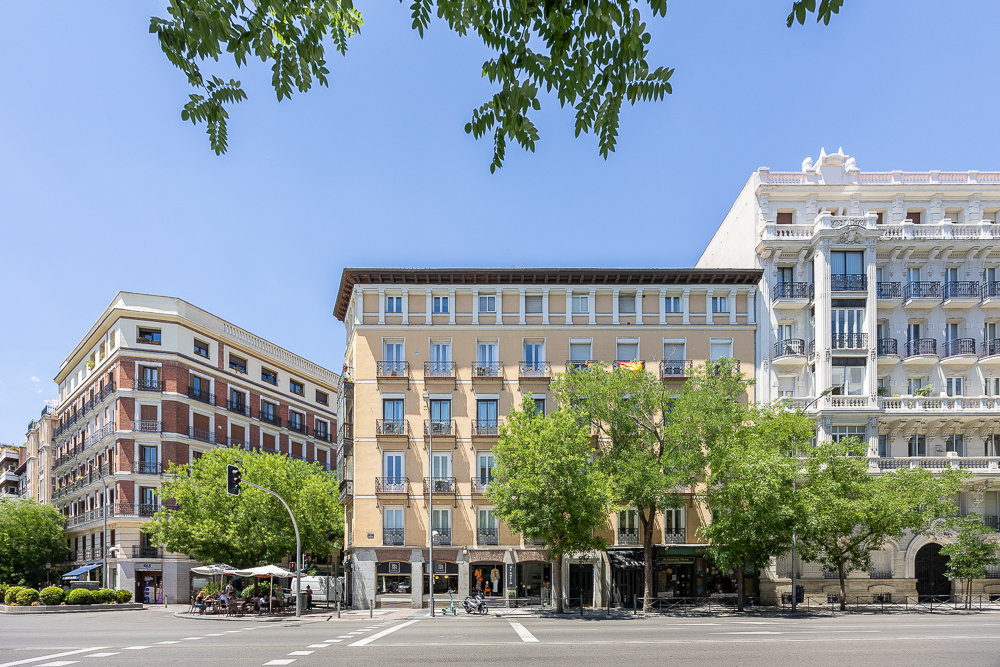
Almagro and Chamberí: residential elegance
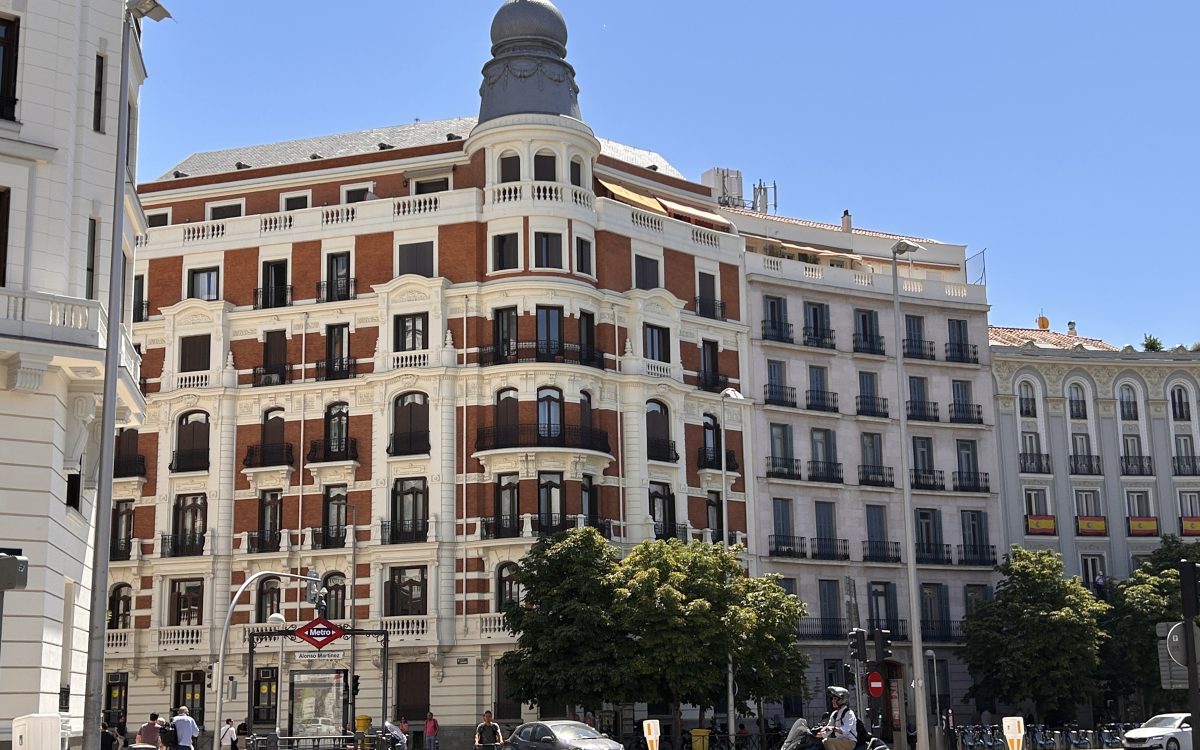
Almagro Street, between Fernando el Santo and Eduardo Dato, is probably the most representative residential address in Chamberí. Limestone doorways, ornamental brick facades, balconies with original wrought iron. There's a rhythm to this street—an alternation of embassies, foundations, and private residences—that conveys a sense of permanence difficult to find elsewhere in the city.
Genoa, in its residential section, shares that character. Eduardo Dato offers large-scale buildings with views of the Castellana. And Zurbarán, at the intersection with Almagro, has some of the most photogenic entrances in the neighborhood—the kind that make a buyer want to go inside before knowing anything about the apartment.
Justice: character per square meter
In Justicia, value is distributed more evenly. There are no grand residential avenues, but rather more intimate streets where renovation has created quality micro-enclaves. Barquillo, in its section between Recoletos and Chueca, concentrates cultural activity and distinctive shops. Fernando VI boasts remarkable mid-19th-century buildings that have been thoughtfully restored. And Almirante, with its mix of arcades and independent shops, defines the character of the neighborhood in a single street.
The best streets in Justicia are above the neighborhood average in price, but they haven't yet reached the levels of Salamanca. For some, that's an indicator of future growth.
Jerónimos: where space becomes landscape
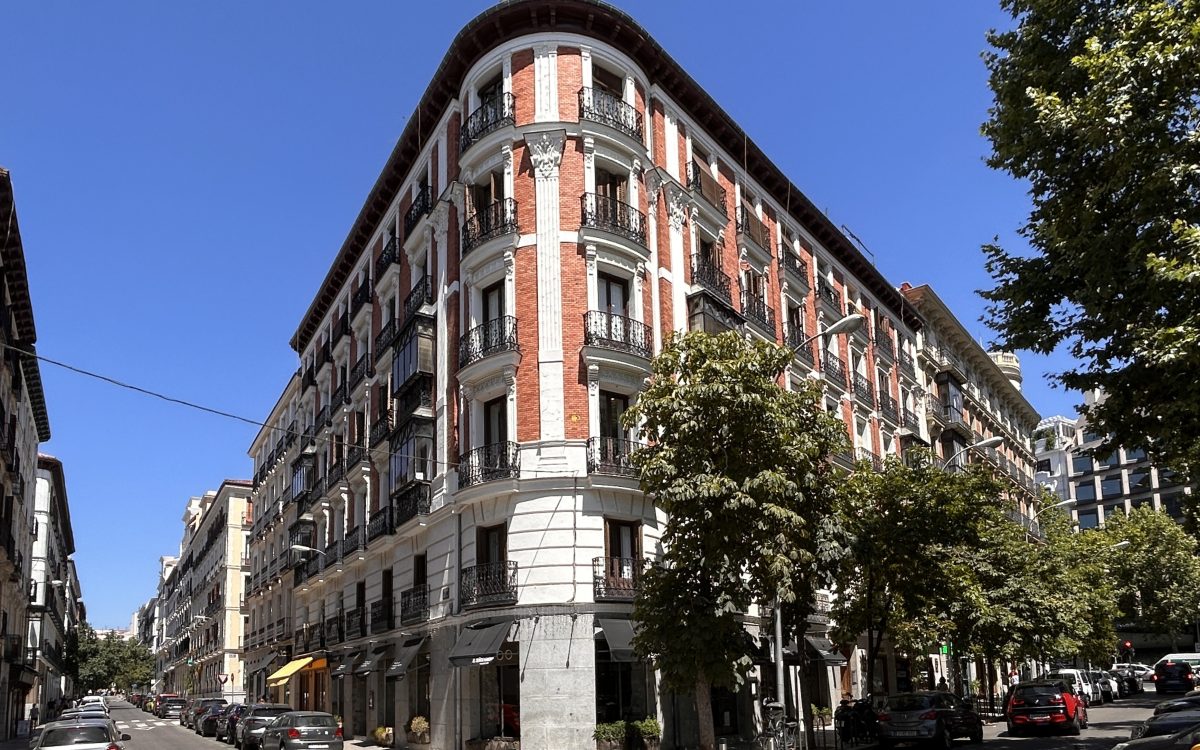
In Jerónimos, the concept of an 'iconic street' changes: here, it's not about commercial streets but about locations where the urban scale, the views, and the proximity to the Retiro Park create an experience unlike any other in Madrid. Felipe IV, Alfonso XII (in its residential section), and the area around the Paseo del Prado are the points of reference.
Cortes, Palacio and Ibiza: point value
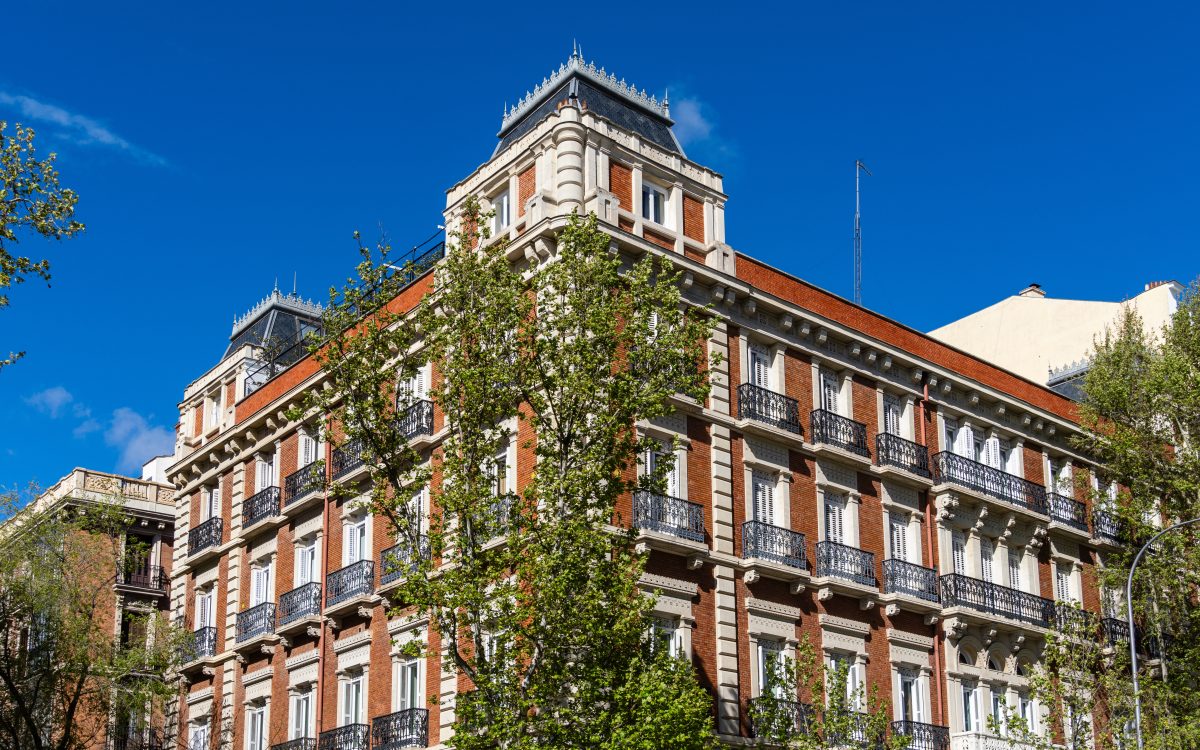
In these areas, property values are more selective. In Cortes, streets like Cervantes, Lope de Vega, and the area around Plaza de Santa Ana are of particular interest. In Palacio, the area around Plaza de Oriente and the streets connecting to the Teatro Real offer unique properties. And in Ibiza, the reference point is very specific: Menéndez Pelayo, opposite the Retiro Park, in the sections near Alcalá Street.
These neighborhoods require even more granular analysis: not all neighborhoods behave the same, and the difference between a good and a bad micro-location can be greater than in more consolidated areas.
The street is the final layer of value
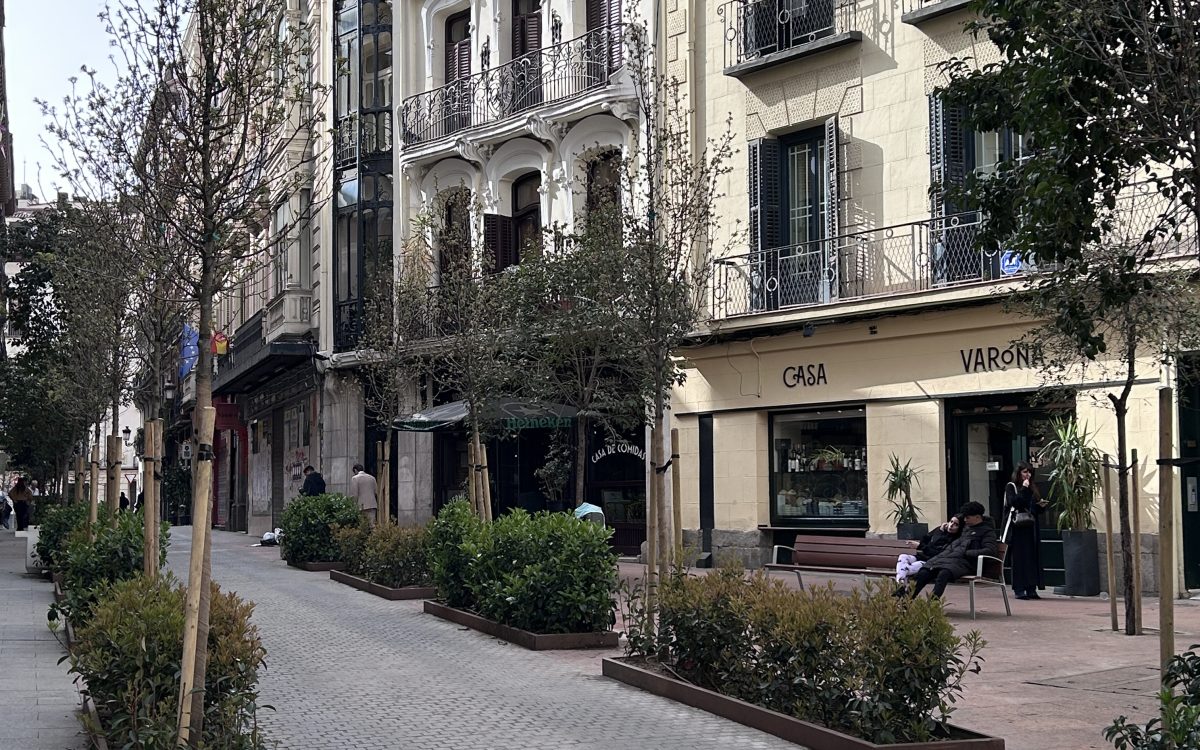
In Madrid's prime market, the analysis has several layers: neighborhood, urban axis, type, condition. But the street is the last—and often the most decisive—layer. It's where value is concentrated and where one asset truly differentiates itself from another.
Knowing the iconic streets of prime Madrid is just one aspect of the criteria an international investor needs before entering this market. The complete framework is organized as follows: the four pillars of knowledgeHow the market works, which neighborhoods concentrate the value, what types of properties exist, and how to make a good decision before buying.