
When someone buys a home in Madrid, they rarely think about selling it. The purchase is made with the present in mind: what they like, what fits, what their budget allows. But the real estate market isn't static. And at some point—a career change, a new family structure, a financial decision—the need to sell may arise. That's where the fundamental difference lies: not all properties sell the same way.
Those purchased strategically sell quickly, with little discount and sometimes even a profit. Those purchased without such a strategy remain on the market for months, require successive price reductions, and are often sold at a loss.
What makes an asset liquid?
Liquidity depends on the same factors that determine value: micro-location, building, product, and condition. But with one key difference: when selling, these factors are put to the test in the real market.
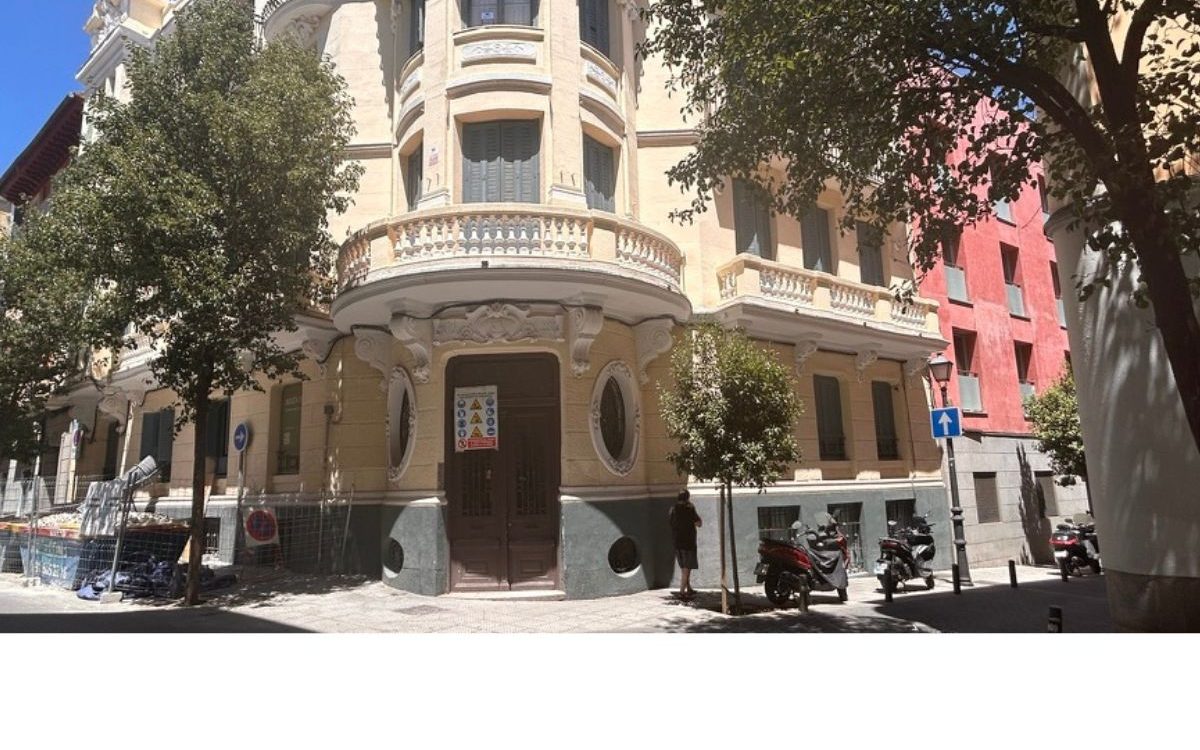
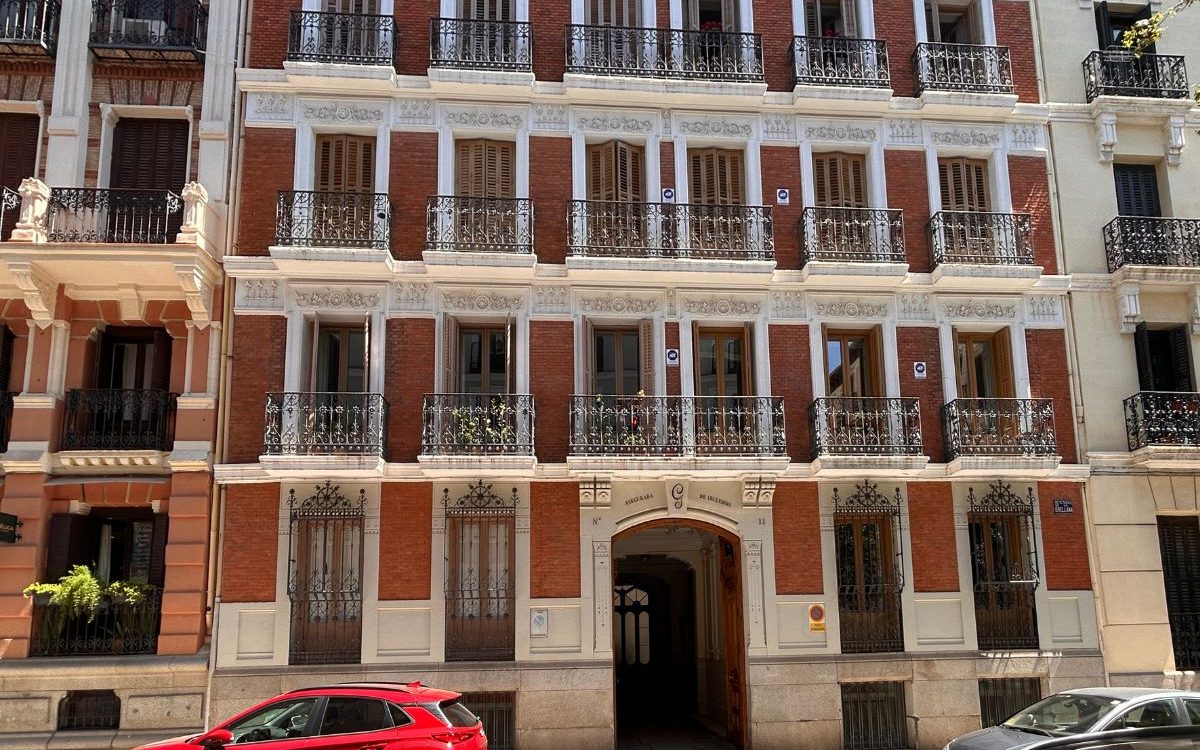
A property on a prestigious street, in a classic building with a restored entrance, a well-designed layout, and a coherent renovation, has a waiting list of potential buyers that begins to form even before it goes on the market. A property on a secondary street, in a functional building with an acceptable renovation but lacking character, can remain uninterested for months.
The mistake of optimizing input without thinking about output
We've seen this same story many times: a buyer optimizing for entry price—more square footage, lower cost—and choosing a property that, technically, is in a good neighborhood but has no distinguishing features. Years later, when they want to sell, they discover that the property isn't generating any interest. Because in the prime market, demand is concentrated on properties that stand out, not on those that merely meet expectations.
As we explained in the article about good buy vs mediocre buy, The difference between the two categories becomes most evident at the time of sale.
Buy well, sell well. Madrid prime: think five years ahead.
Our recommendation is simple: before buying, ask yourself if this asset will sell well in five years. If the answer is a resounding yes, you're probably looking at a good buy. If the answer is 'maybe' or 'it depends,' you need to reconsider.
The assets that appreciate the most, according to the European residential market indicators, These are the properties that combine scarcity (few equivalents on the market), quality (building and renovation on par with the neighborhood), and a solid location (micro-location that isn't dependent on trends). In Madrid's prime market, these assets aren't the cheapest to acquire. But they are consistently the ones that perform best over time.
This approach—buying in order to sell well—is what separates the buyer who operates with sound judgment from the one who operates out of desire. The difference becomes apparent when push comes to shove.
Applying the logic of buying well and selling well in prime Madrid is just one aspect of the criteria an international investor needs before entering this market. The complete framework is organized as follows: the four pillars of knowledgeHow the market works, which neighborhoods concentrate the value, what types of properties exist, and how to make a good decision before buying.
Related articles

Good buy vs mediocre buy in Madrid's prime market
Seguir leyendo
What factors determine the value of a super-prime asset in Madrid
Seguir leyendo
How to compare properties correctly in Madrid's prime market
Seguir leyendo