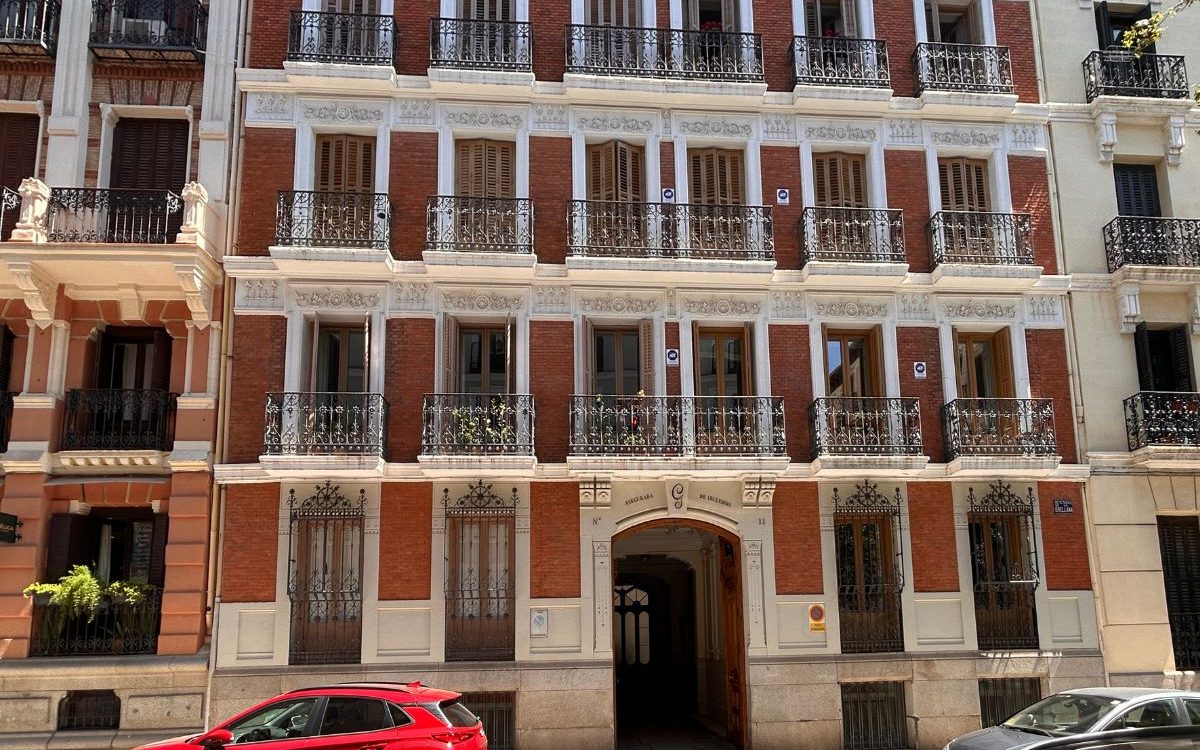

There's a moment we know all too well. A buyer comes to our first conversation with a clear idea: they want a spacious, renovated apartment in one of the most sought-after neighborhoods, for a budget that—in their home market—would get them exactly that. And we have to explain to them, with data, that this combination simply doesn't exist in today's prime Madrid.
It's not a problem of insufficient budget. It's a problem of expectations calibrated against another market. What that budget buys in London, Miami, or São Paulo is one thing, as seen in the comparative data of real estate markets. What you buy in the best neighborhoods of Madrid is something else—not necessarily worse, but different in size and character.
Adjusting that expectation isn't a loss. It's the first step to buying well.

What the budget actually buys
The reality of Madrid's prime market is that with a given budget, you can access a very specific type of property that depends on three variables: the chosen neighborhood, the condition rating, and the building type. Changing any of these three radically alters the outcome.
With the same budget, you can choose a smaller property in a prime neighborhood with an exceptional building, or a larger one in a more affordable area. Both options are valid—but they correspond to different priorities that should be defined before you start looking.
The price difference between the most expensive neighborhoods and those at the entry level can exceed 40%. This opens up a range of possibilities that many buyers don't consider because they arrive with a fixed idea of the neighborhood they want.
Adjustment is not surrender: it's precision
Adjusting expectations doesn't mean settling for less. It means understanding what the market truly offers and choosing within those parameters with the best possible judgment. A moderately sized apartment in an exceptional building, with high ceilings and top-notch renovations, offers a living experience that no larger apartment in a mediocre building can match.
Quality per square meter matters more than quantity. Any sophisticated buyer understands this. But to reach that conclusion, you first have to let go of external references and start reading the market from its own perspective.
This adjustment—which may seem frustrating at first—is precisely what transforms a chaotic search into an efficient process. Calibrating expectations with real market data before viewing the first property is what allows everything that follows to make sense.
Knowing how to adjust expectations when buying prime Madrid properties is just one aspect of the criteria an international investor needs before entering this market. The complete framework is organized as follows: the four pillars of knowledgeHow the market works, which neighborhoods concentrate the value, what types of properties exist, and how to make a good decision before buying.
Related articles

What mistakes do international buyers make in Madrid's prime market?
Seguir leyendo
How to define your buying strategy in the prime market of Madrid
Seguir leyendo
Why the price per square meter does not explain the real value of a home in Madrid
Seguir leyendo