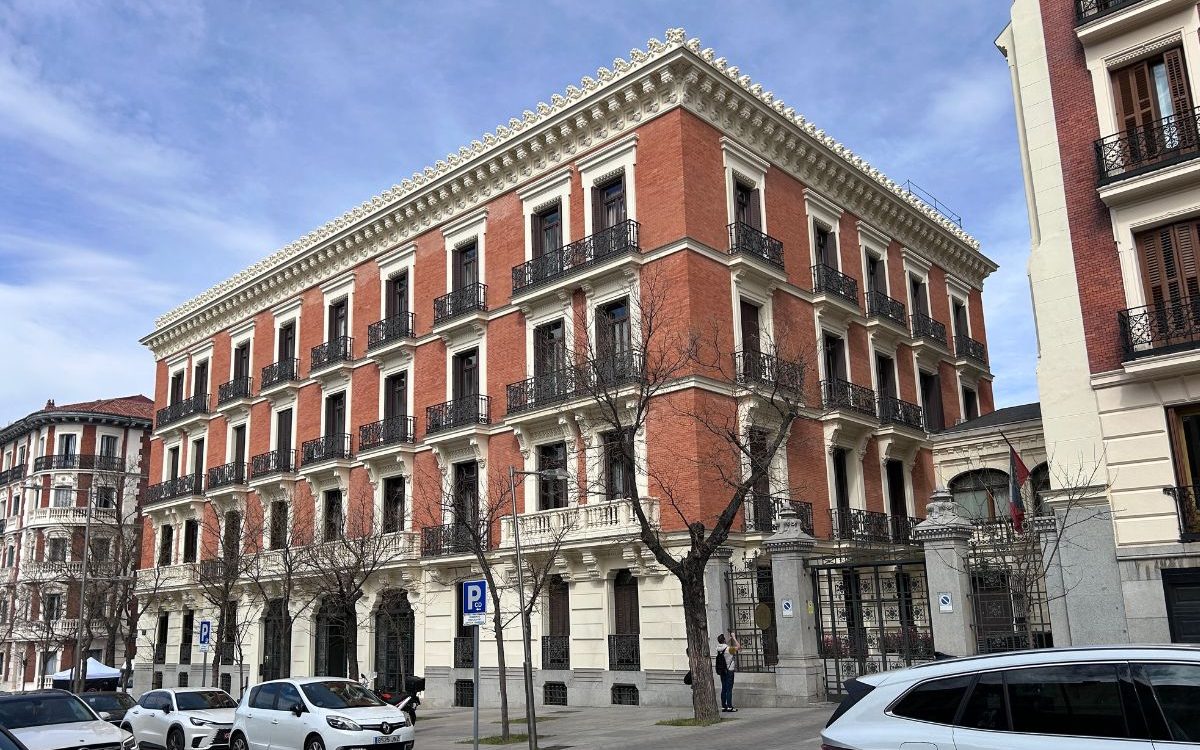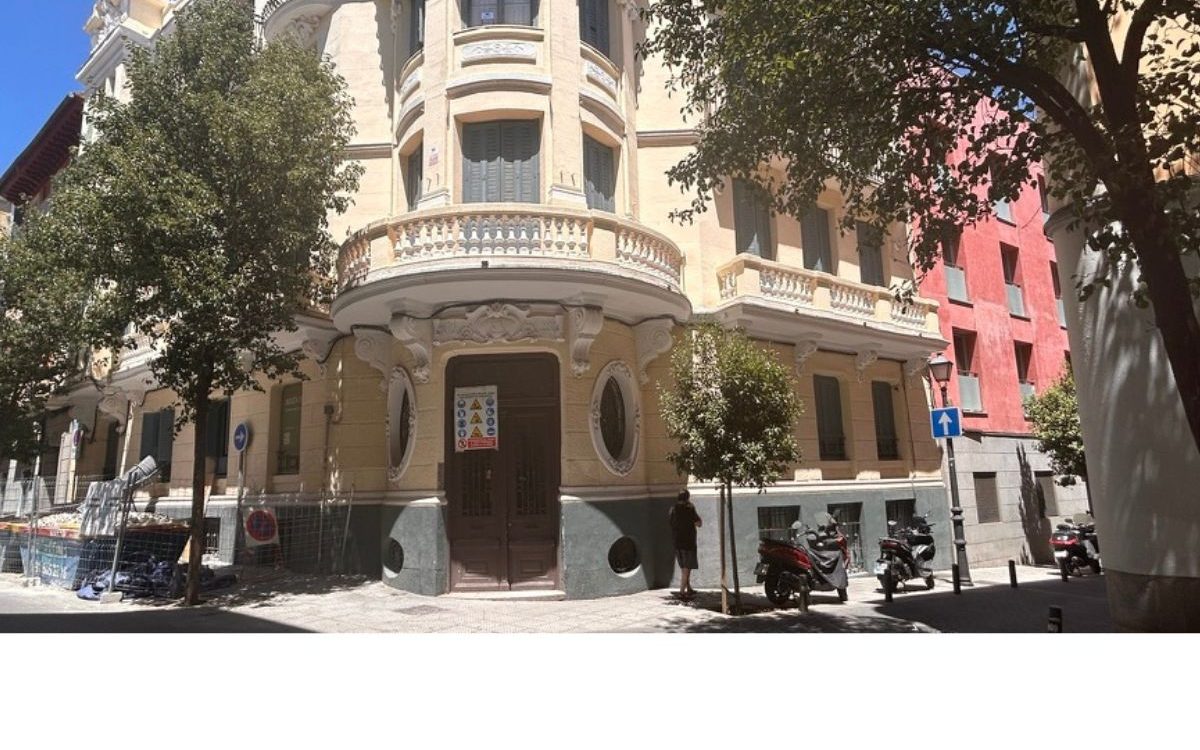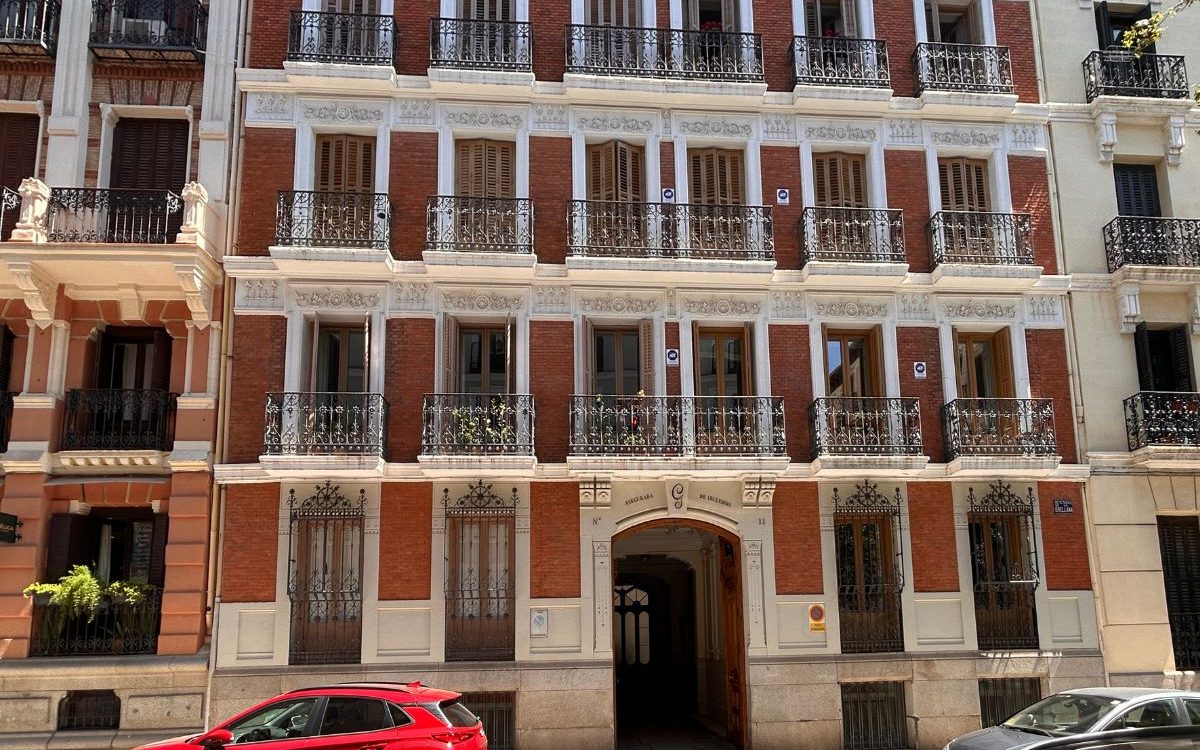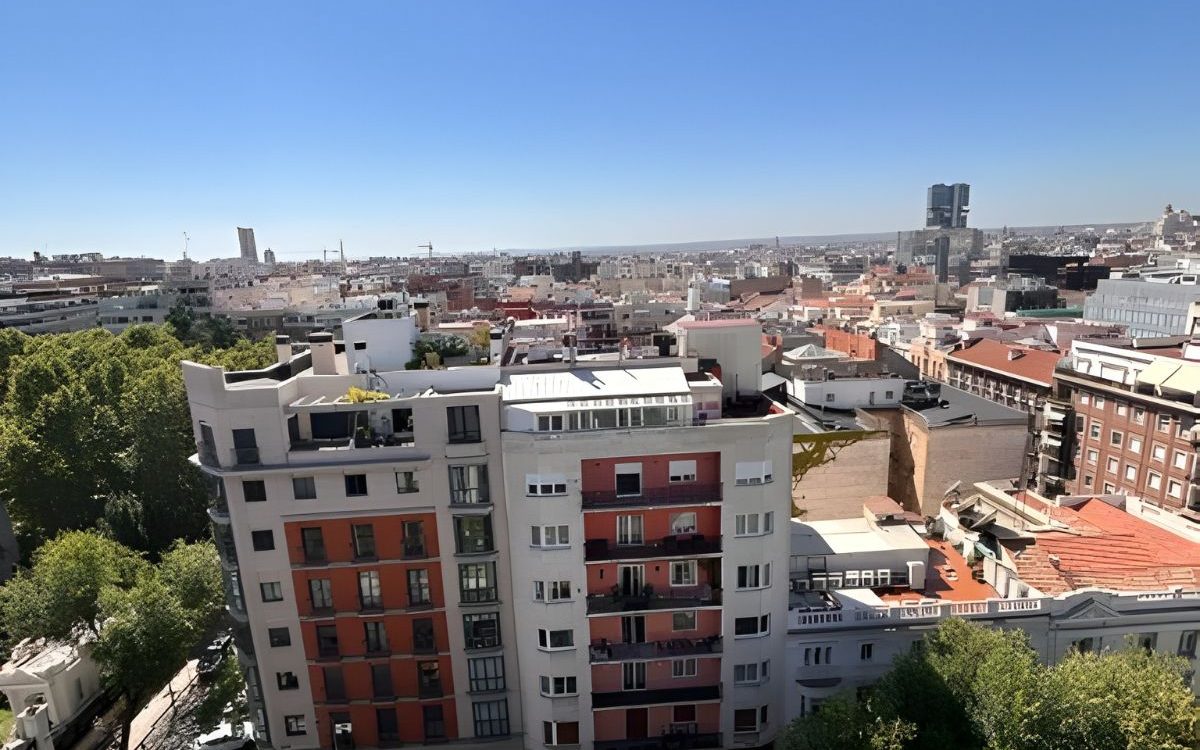
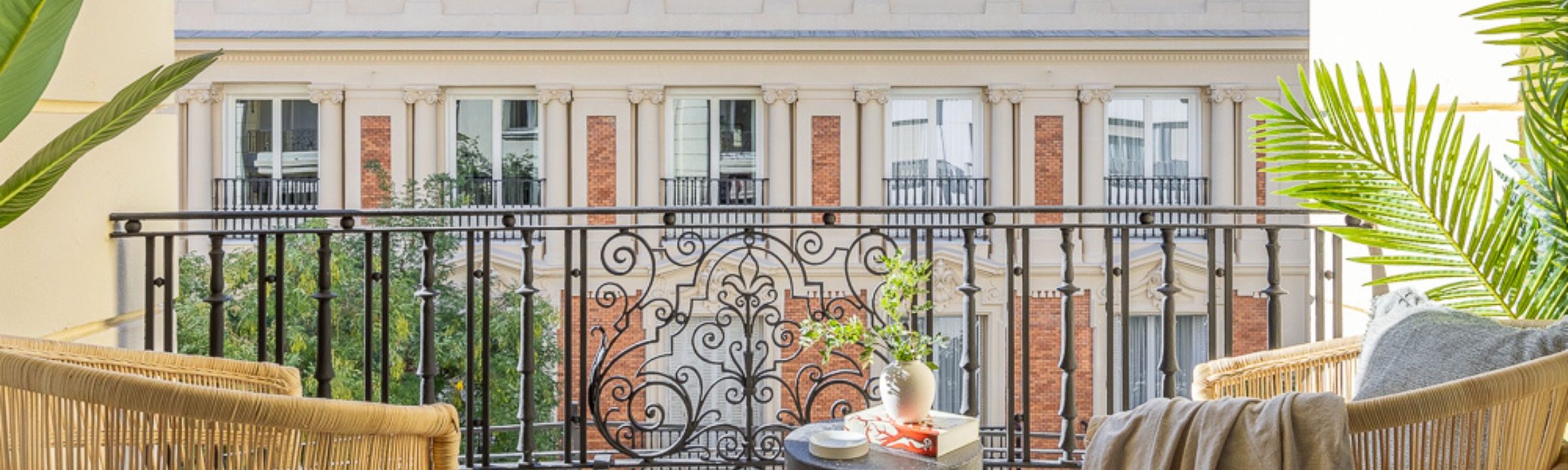
International buyers in Madrid make mistakes with striking regularity. This isn't due to a lack of capital or intelligence, but rather to applying frameworks that simply don't work in this market. Madrid has established itself as one of the most attractive destinations for international buyers of quality residential properties. Safety, quality of life, climate, gastronomy, air connectivity—the reasons are numerous and well-known. However, upon entering the market, many make mistakes that, when avoided, would radically alter the outcome of the transaction.
In our Advisory sessions, we've identified patterns that repeat themselves with striking regularity. We document them not to point fingers, but because avoiding them fundamentally changes the operation.
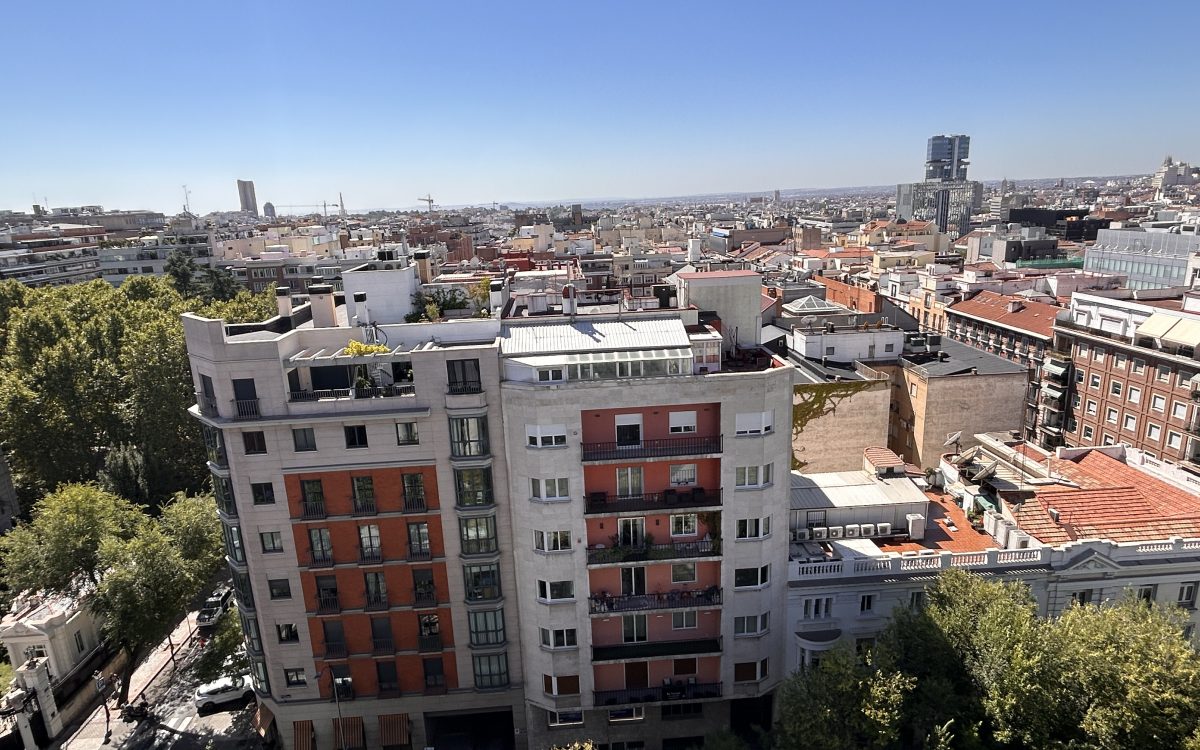
Mistake 1: assuming that the market works the same way as in your country
A London buyer assumes the advertised area is the usable area. A Mexican assumes the price per square meter is directly comparable to that of Polanco or Santa Fe. A Frenchman expects negotiations to work like in Paris's 7th arrondissement. None of these assumptions are correct in Madrid.
The prime Madrid market has its own logic: the way of measuring surface areas, the weight of the building in the value, the price structure by micro-location, the dynamics of negotiation. Importing external frameworks without adjustment is the first mistake—and the most costly.
As we explained in the article about How to understand Madrid's prime real estate market, Interpreting this market requires abandoning direct comparisons.
Mistake 2: trusting the price per square meter on portals
Real estate websites publish a generic average price per square meter for each neighborhood. This average mixes interior and exterior apartments, classic buildings with modern ones, and properties for renovation with turnkey properties. The result is a number that doesn't accurately reflect any real prime real estate.
The difference between what the portals show and the reality of the prime market can be enormous—we have seen deviations that easily exceed 50%, compared to the general averages of the Spanish real estate market—. Anyone making decisions based on portal averages is operating with a map that doesn't correspond to the territory.
As we discussed in the article on Why the price per square meter does not explain the value, This metric is useful as a guide but dangerous as a decision criterion.
Error 3: Not understanding surfaces
Confusion between built area, cadastral area, registered area, and usable area is one of the most frequent—and potentially most costly—mistakes. A buyer who believes they are acquiring 200 m² of living space may discover that the actual usable area is considerably less, especially in stately homes with spacious entrances and generous common areas.
The difference between what you think you're buying and what you actually buy can represent hundreds of thousands of euros at prime market prices. And it's a fact that no website publishes clearly.
As we detailed in the article about types of surfaces in the prime market of Madrid, Understanding what square footage is being purchased is critical.
Error 4: Underestimating the true cost of renovation
The "buy cheap, renovate, and create value" narrative is the most widespread and the one that destroys the most money when it's not based on data. The cost of renovations in the prime segment varies substantially from one neighborhood to another because each area demands a different standard. Renovating below that standard means the market doesn't recognize the investment.
When all the costs are added up—construction, contingencies, VAT, architect's fees, permits—the total bill can be more than a third of the base cost of the project. And in most established neighborhoods in the prime market, that total cost equals or exceeds the price difference between a property in need of renovation and one that's already finished. In other words: renovation doesn't always add value. And in many neighborhoods, it doesn't add any at all.
Only an analysis with real data from the specific neighborhood can determine if the reform makes economic sense in each case.
Error 5: Not defining a strategy before searching
It's the most common mistake and the easiest to avoid. Buyers start visiting properties without having defined a realistic budget—including taxes, renovations, and other expenses—target areas, or type of property. The result is predictable: months of viewings, increasing confusion, decision fatigue, and often, an impulsive purchase that doesn't follow any defined criteria.
As we explained in the article about How to define your buying strategy, In the prime market, strategy is the starting point, not an add-on.
Error 6: Ignoring the building
A buyer who falls in love with a property without having assessed the building is buying without understanding half the asset. The building determines the arrival experience, the possibilities for future renovations, the homeowners' association, maintenance costs, and, above all, the potential for appreciation.
In our experience, assets in functional buildings from the 1960s and 70s show negative differentials of 20-35% compared to classic properties on the same street. And that differential tends to widen.
Error 7: Not adjusting expectations
Arriving in Madrid expecting a size, location, and level of finish that your budget can't simultaneously afford is a recipe for frustration. Madrid's prime market operates according to its own logic, and what a given budget buys here—in terms of square footage, neighborhood, and condition—can be very different from what it buys in another market.
Adjusting that expectation before you start searching saves months of frustration. And, interestingly, that's what transforms a scattered search into an efficient process.
Avoiding these mistakes: International buyers in Madrid don't require prior experience in this market. It does require understanding how it works before taking action. The complete framework is organized as follows: the four pillars of knowledgeHow the market works, which neighborhoods concentrate the value, what types of properties exist, and how to make a good decision before buying.
Related articles
How to understand Madrid's prime real estate market
Seguir leyendo
Why the price per square meter does not explain the real value of a home in Madrid
Seguir leyendo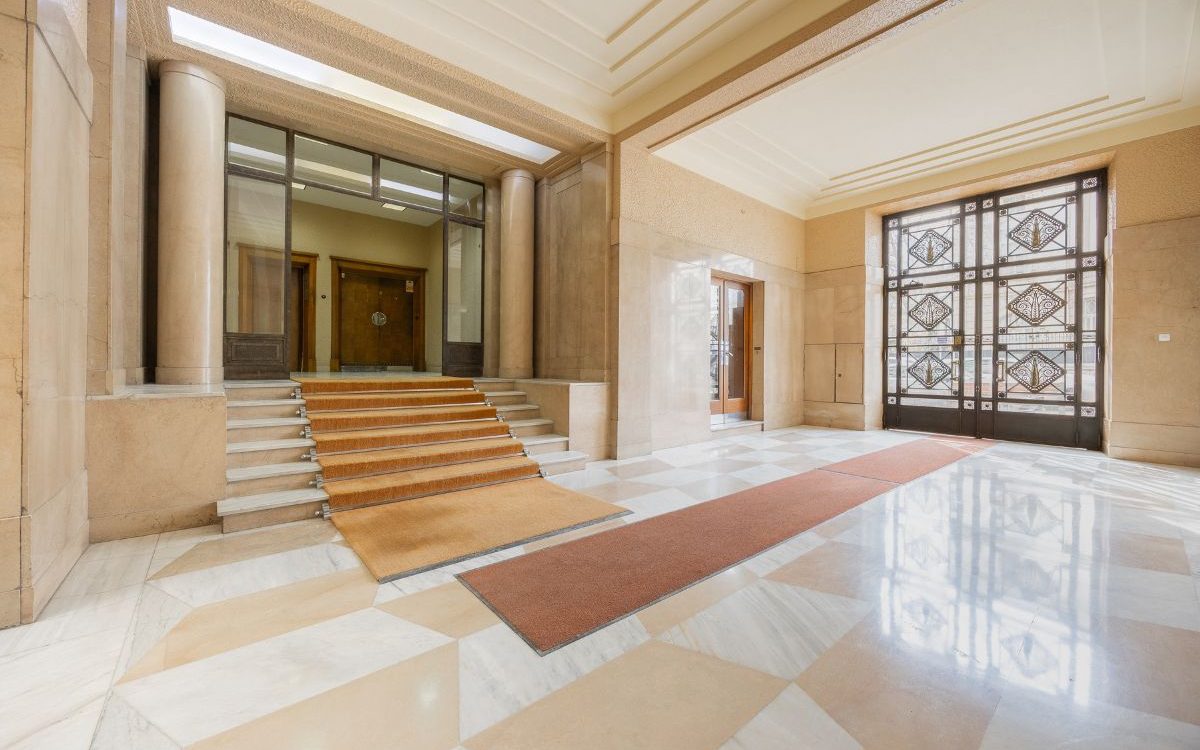
Types of properties in Madrid's prime market: what you're really buying
Seguir leyendo