
In Madrid's prime market, most purchases aren't bad. They're mediocre. And that's perhaps the most dangerous category—because it doesn't hurt at first, but it becomes apparent over time. A mediocre asset isn't a defective asset. It's an asset that does the job, that's fine, that doesn't generate complaints. But it also doesn't generate value. Or liquidity. Or market interest when it's time to sell.
The difference between a good purchase and a mediocre one is rarely in the purchase price. It's in the criteria used to choose it. And it becomes apparent not on the day of signing, but five, seven, ten years later.
What defines a mediocre purchase?
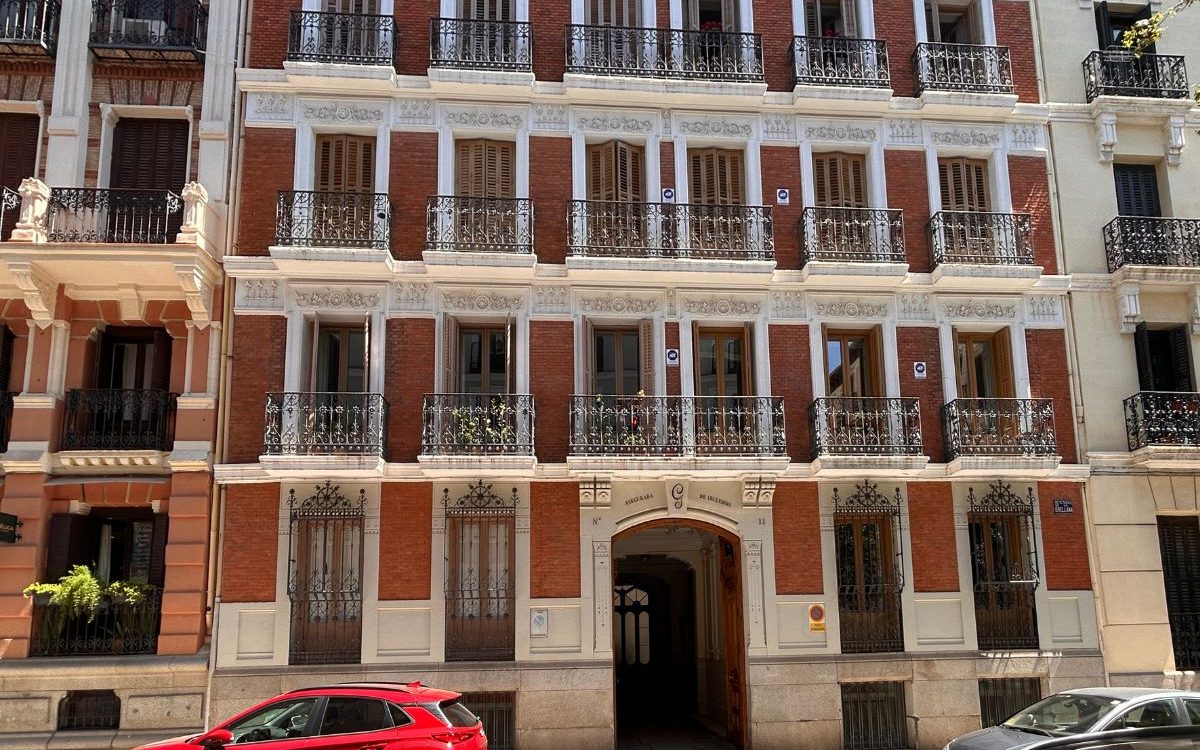
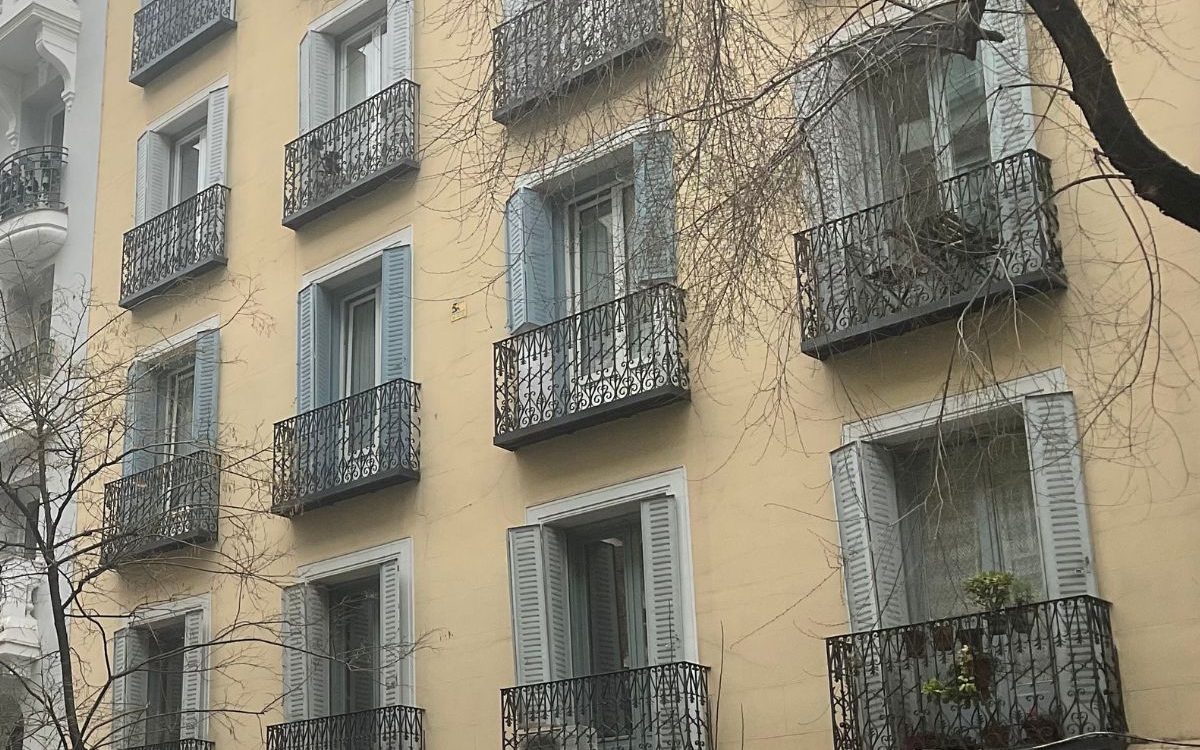
A mediocre purchase usually presents at least one of these characteristics: a decent building but without architectural value, a functional street but without representativeness, an acceptable renovation but without the level that the neighborhood market demands, or a location that is 'in the neighborhood' but not in the good part of the neighborhood.
In every prime market neighborhood, there's a price disparity that can more than double between the lowest and highest properties within the same condition category. The lower-priced property—still in the neighborhood, still renovated—is in the unremarkable segment of the market. It's adequate, but it doesn't compete. And when the owner wants to sell in a few years, they'll find there's no waiting list of interested buyers.

What defines a good purchase of a prime Madrid property?
A good purchase is recognized when all four variables are aligned: a solid micro-location, a building with character, a well-designed product, and a condition consistent with the neighborhood's needs. It doesn't have to be perfect in all four aspects, but it must be good in at least three and acceptable in the fourth.
These assets behave differently over time: they maintain demand, generate interest when they come onto the market, and sell faster and with less of a discount, according to the official housing market statistics. In our experience, the difference in trading price between a well-positioned asset and a mediocre one can be several percentage points—and that, when dealing with amounts in the millions of euros, is a lot of money.
Liquidity: the factor no one looks at when buying
When a buyer chooses a home, they almost never think about selling it. But the future liquidity of the asset should be part of the analysis from day one. An asset that is difficult to sell is not just a financial problem: it's a vital limitation, because it forces you to hold onto a position when circumstances might otherwise require a change.
The best-positioned assets in the prime market—those in the upper-middle segment of their neighborhoods, with quality buildings and well-planned renovations—are also the most liquid. This correlation is not accidental.
The concept of 'mediocre purchase' as a decision-making tool
Using the question 'Is this a good or mediocre purchase?' as a decision filter is surprisingly effective. It forces you to evaluate the asset not based on appearances, but on how it will perform over time. And when you ask yourself that question honestly, many assets that seemed attractive cease to be so.
This type of market analysis—property by property, with professional judgment and without complacency—is what makes the difference between a decision that time validates and one that time questions.
Making a good purchase of prime Madrid property is just one aspect of the criteria an international investor needs to consider before entering this market. The complete framework is organized as follows: the four pillars of knowledgeHow the market works, which neighborhoods concentrate the value, what types of properties exist, and how to make a good decision before buying.
Related articles

How to define your buying strategy in the prime market of Madrid
Seguir leyendo
What factors determine the value of a super-prime asset in Madrid
Seguir leyendo
Why two prime properties in Madrid can have very different prices
Seguir leyendo