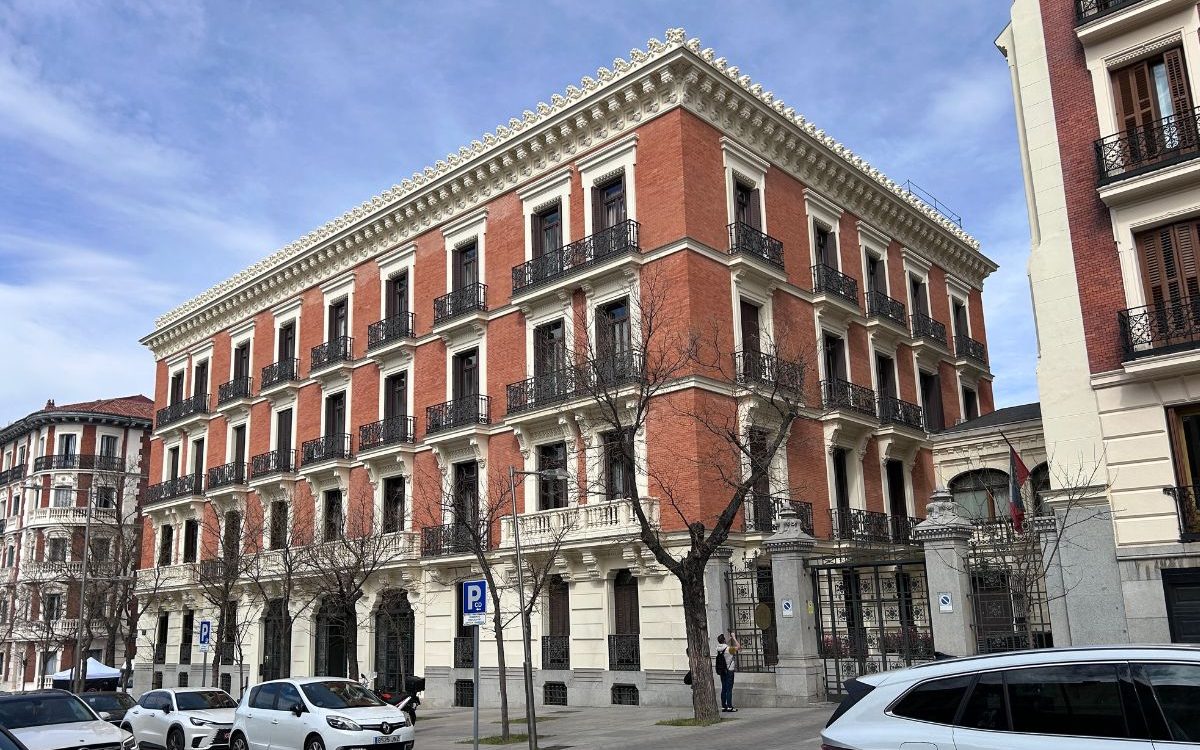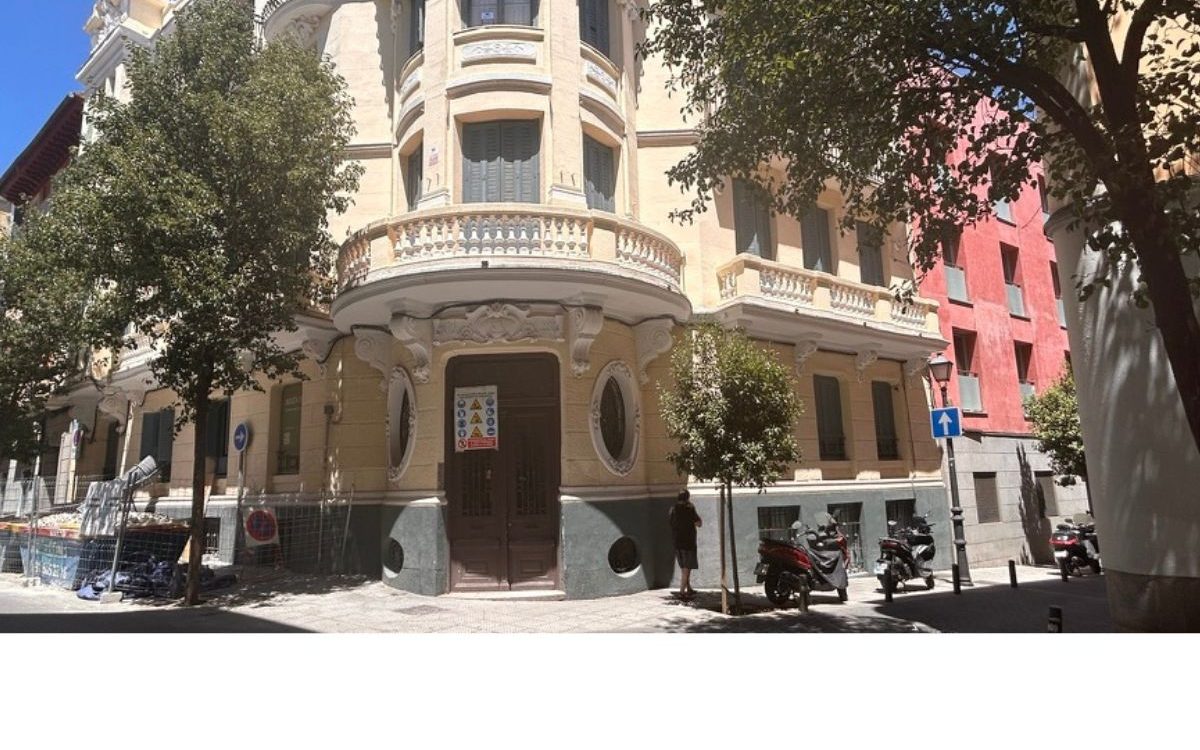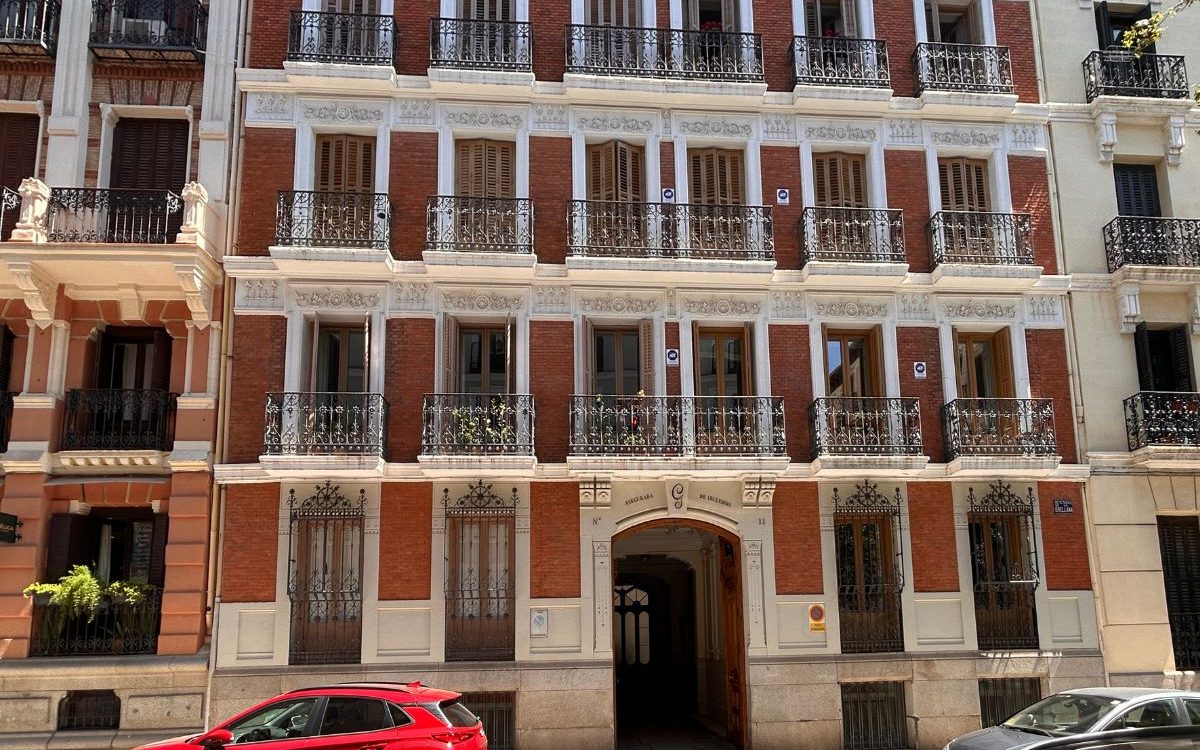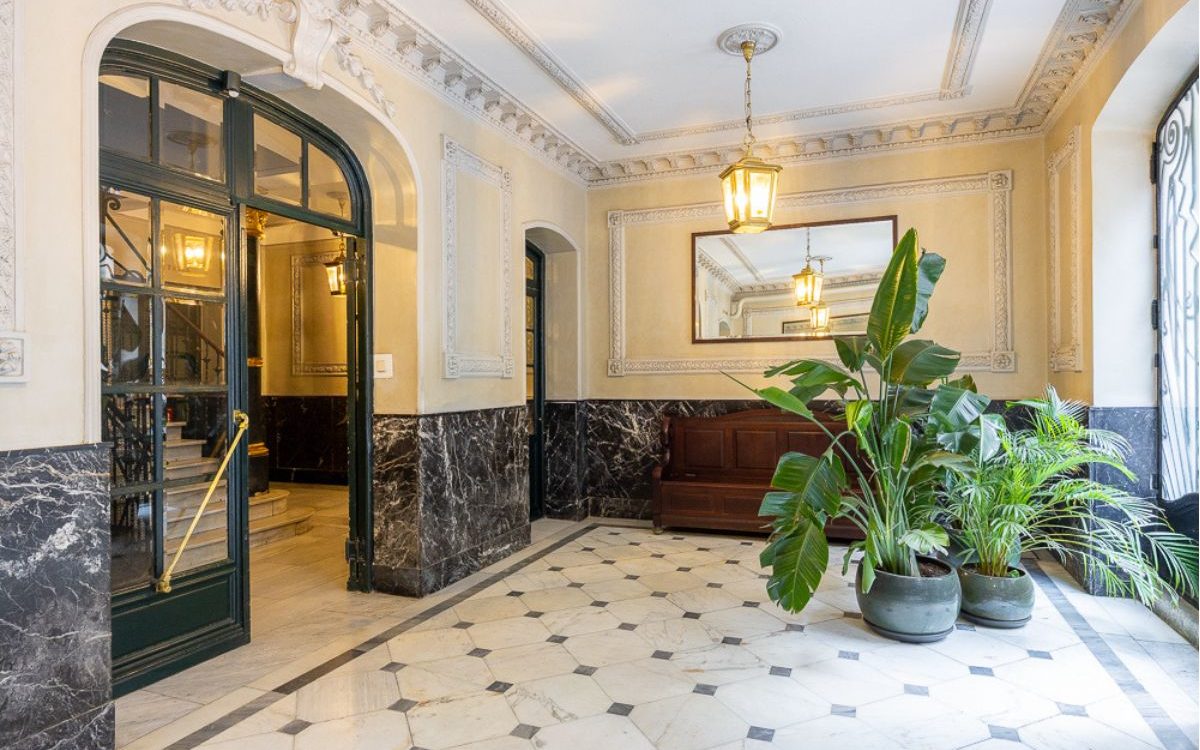

The price differences for prime Madrid homes are the question that comes up in every first meeting with an international buyer. It's always phrased the same way, with a mixture of bewilderment and curiosity: "I've seen two apartments in the same neighborhood, both similar in size, both renovated. One is asking considerably less than the other. What justifies that difference?"«
The short answer: everything. The long answer is this article.
Because in Madrid's prime market, what seems the same almost never is. And the differences that the buyer doesn't see at first glance are precisely those that the market incorporates most decisively into the price.
Real case: two assets in the same reference neighborhood
Let's take a representative case, anonymized but based on real operations that we have analyzed. Two homes in one of the most sought-after neighborhoods in the prime real estate market, both renovated and furnished, both approximately 180 m² built. The price difference between them exceeds one million euros.
Asset 1: the lowest price
Building from the 1950s, decent but without any outstanding architectural merit. Functional entrance. Second floor facing an interior courtyard. Renovated four years ago, medium-high quality. Ceilings 2.80 meters high. Street with some traffic.
Asset 2: the highest price
Classic building from 1912, with a restored entrance featuring Macael marble and a refurbished original cage elevator. Third floor with triple exposure and balconies overlooking a tree-lined street. Recently renovated by a renowned interior designer, using imported materials, aerothermal heating, and home automation. 3.40-meter ceilings with restored original moldings. Quiet and distinguished street.
Both are in the same neighborhood. Both have been renovated. But they are assets of a completely different nature. And the market reflects this with a precision that, once understood, makes perfect sense.
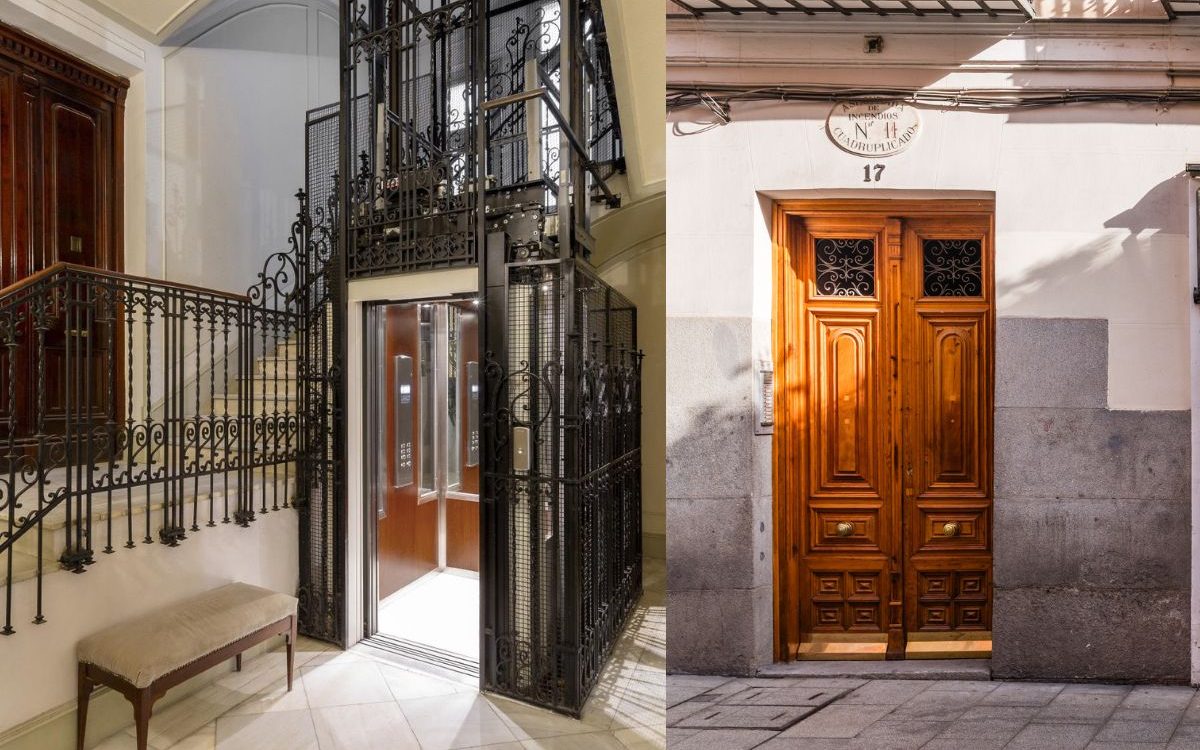
The four factors that explain the difference
As we've discussed in previous Knowledge Center articles, the value of a prime asset is built upon four variables: micro-location, building, product, and condition. In the case of these two assets, all four differ.
The micro-location: a busy street versus a quiet, prestigious one. The building: functional versus a restored classic. The property: courtyard-facing versus triple-aspect with balconies. The condition: adequate renovation versus exceptional renovation. None of these differences are visible on a portal listing. They all become apparent when visiting the property—and are absolutely crucial to its valuation.
As we detailed in the article about how the condition of the property influences its value, The quality of the renovation can by itself represent a very significant difference in the price per square meter.
At the market peak, the comparison loses its meaning
There is a point beyond which assets cease to be comparable. Exceptional assets in benchmark neighborhoods are not valued against the median for their area. They are valued against themselves: against what they offer, against what the market is willing to pay for an asset with those characteristics, and against the probability of another equivalent asset appearing in the coming years.
As we explained in the article about Madrid's super-prime segment, These assets operate with a logic of scarcity that makes the price per square meter no longer an operational reference.
The lesson: look at what the website doesn't show.
The price differences in prime Madrid homes are not arbitrary. They follow a coherent logic that the market applies with surprising precision. Those who learn to interpret this logic cease to be bewildered by the differences and begin to see them for what they are: valuable information about the true nature of each property.
That reading —property by property, variable by variable— is what transforms a confusing search into a well-founded decision-making process.
Understanding the price differences of prime properties in Madrid is just one aspect of the criteria an international investor needs before entering this market. The complete framework is organized as follows: the four pillars of knowledgeHow the market works, which neighborhoods concentrate the value, what types of properties exist, and how to make a good decision before buying.
Related articles
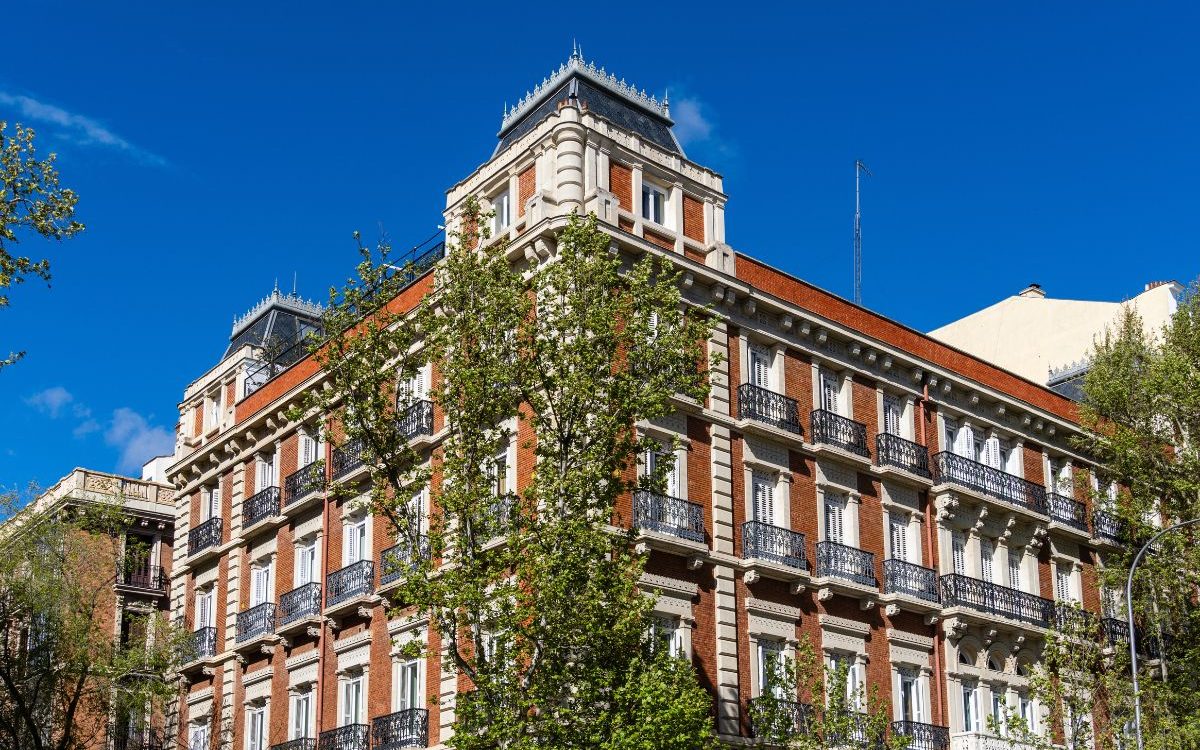
What factors determine the value of a super-prime asset in Madrid
Seguir leyendo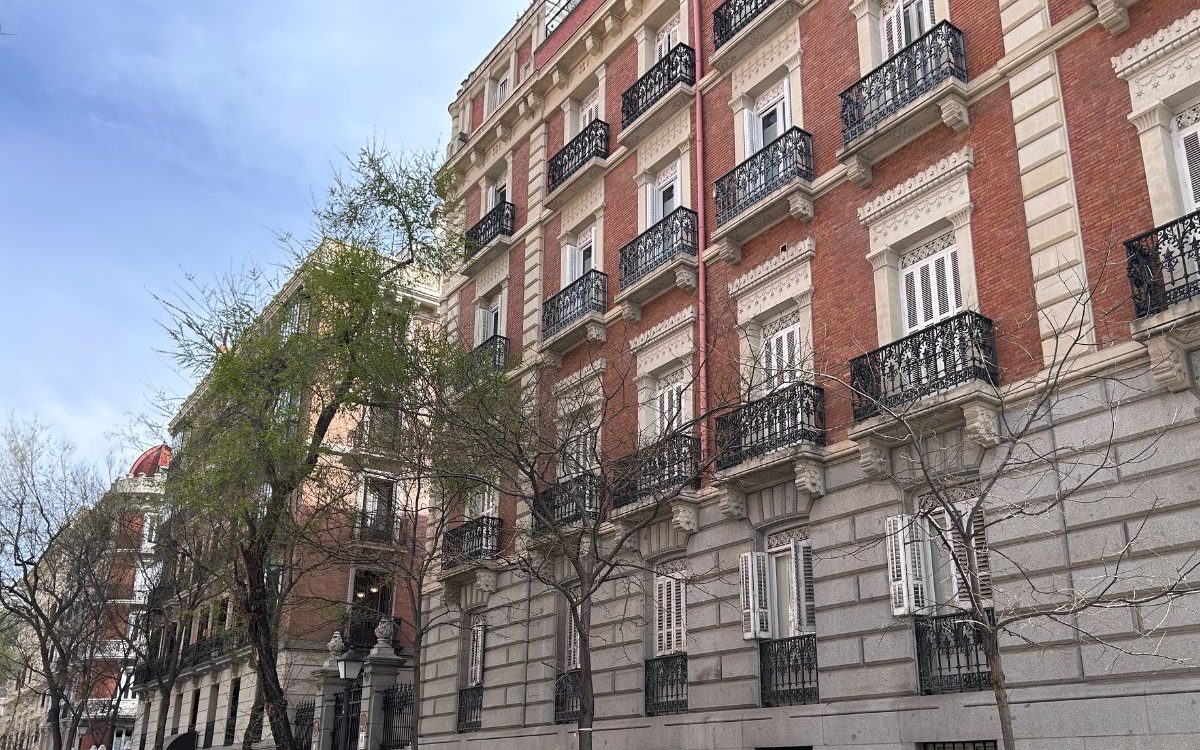
Why the price per square meter does not explain the real value of a home in Madrid
Seguir leyendo
How the condition of a property influences its value in Madrid's prime market
Seguir leyendo