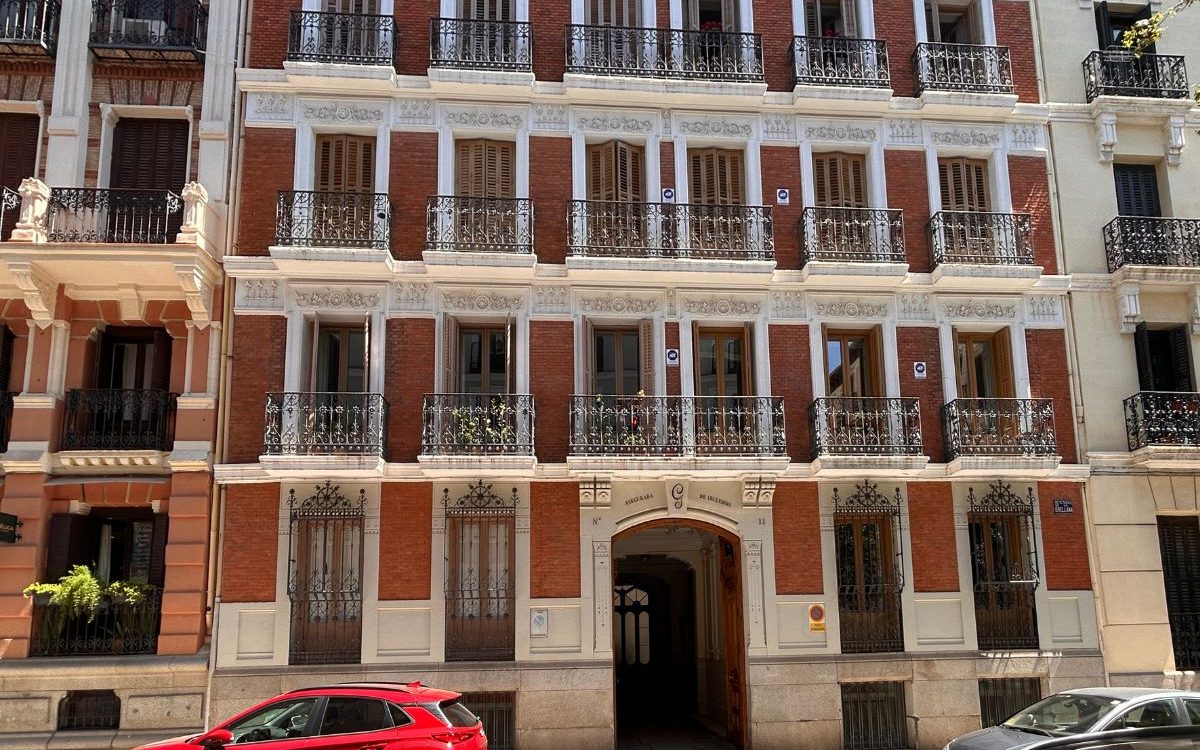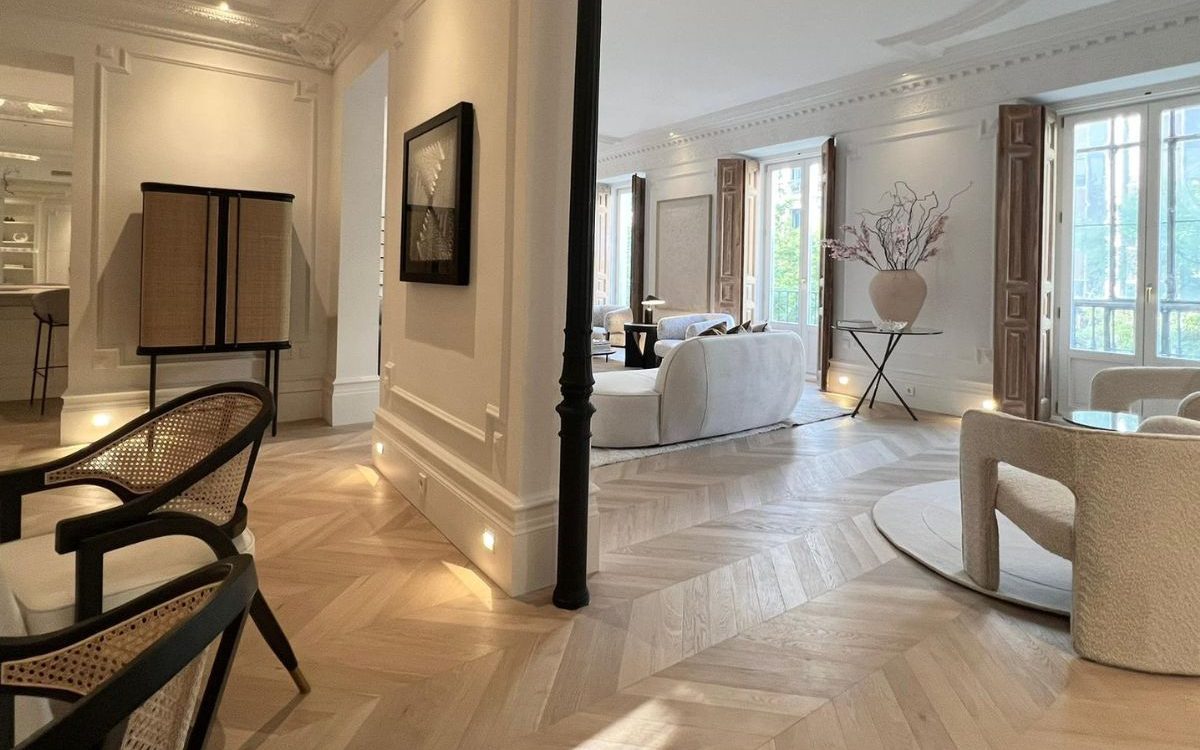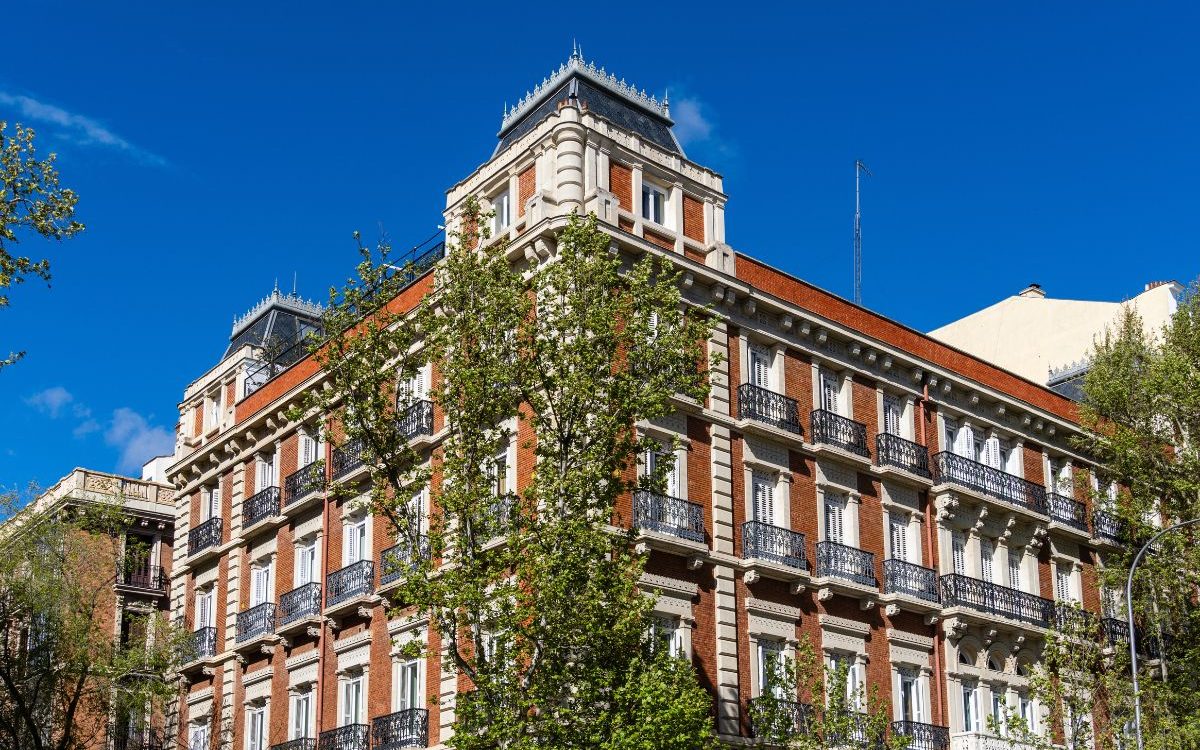

There's a point in Madrid's prime market where the rules change. Standard indicators—price per square meter, comparable properties in the area, neighborhood medians—cease to be relevant, and the property begins to be valued for what it truly is: unique, scarce, and irreplaceable. This point marks the entry into what we call the super-prime segment.
It's not a marketing label. It's a real market category that operates according to its own logic. Understanding it requires abandoning conventional analytical frameworks—the same ones that work perfectly for the 90% of the prime market—and viewing these assets with a different perspective.
This article is written for those already familiar with Madrid's prime real estate market who want to understand what's happening at its highest levels. If you're still getting acquainted with the fundamentals, we recommend starting with the article on The general factors that determine the value of a home in Madrid.
Where does the super-prime begin?
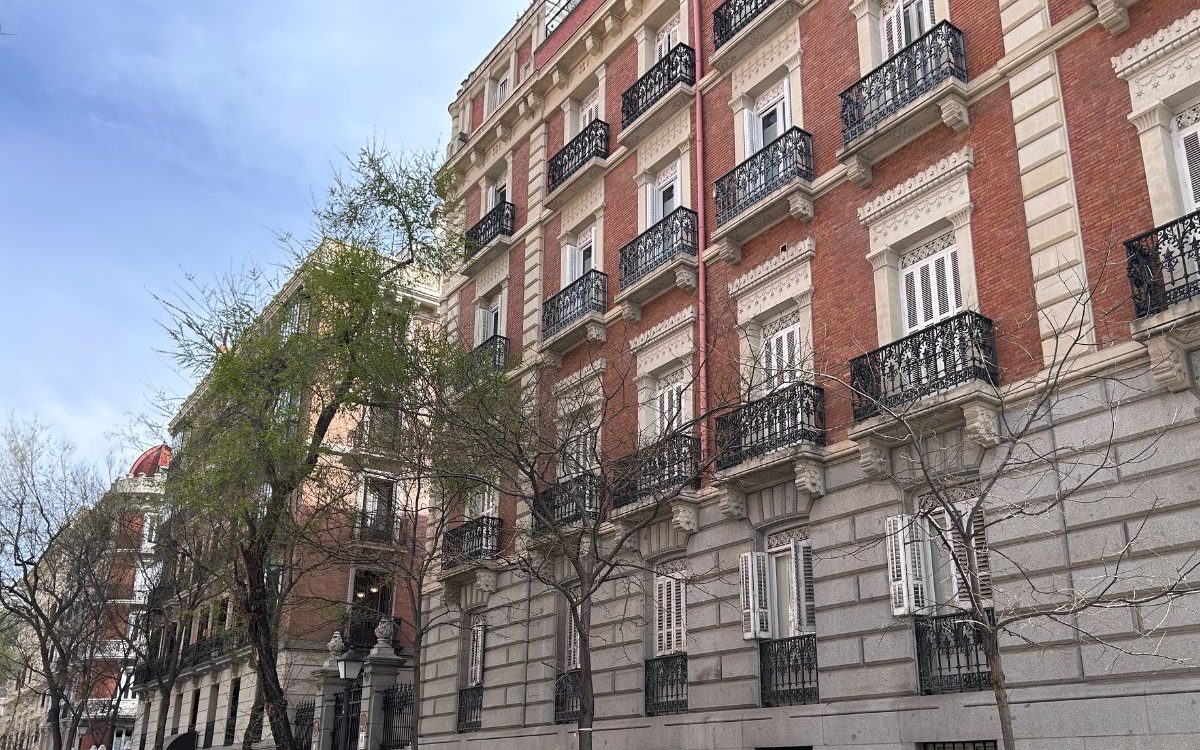
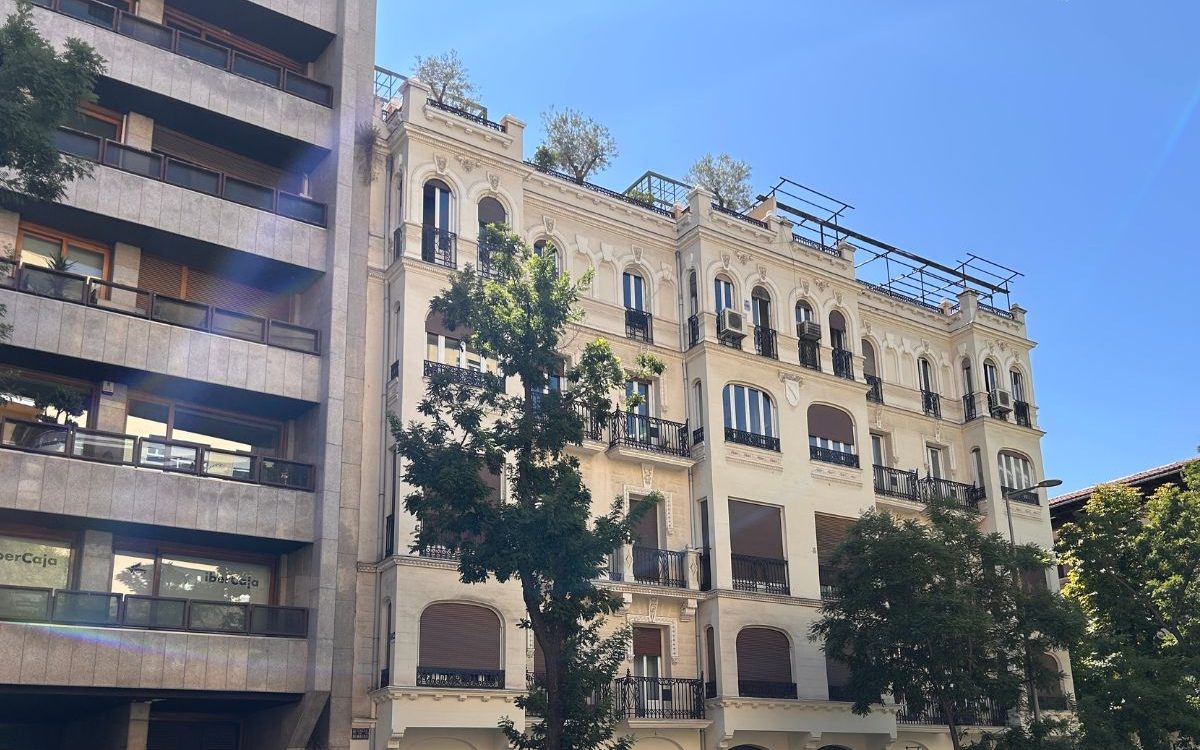
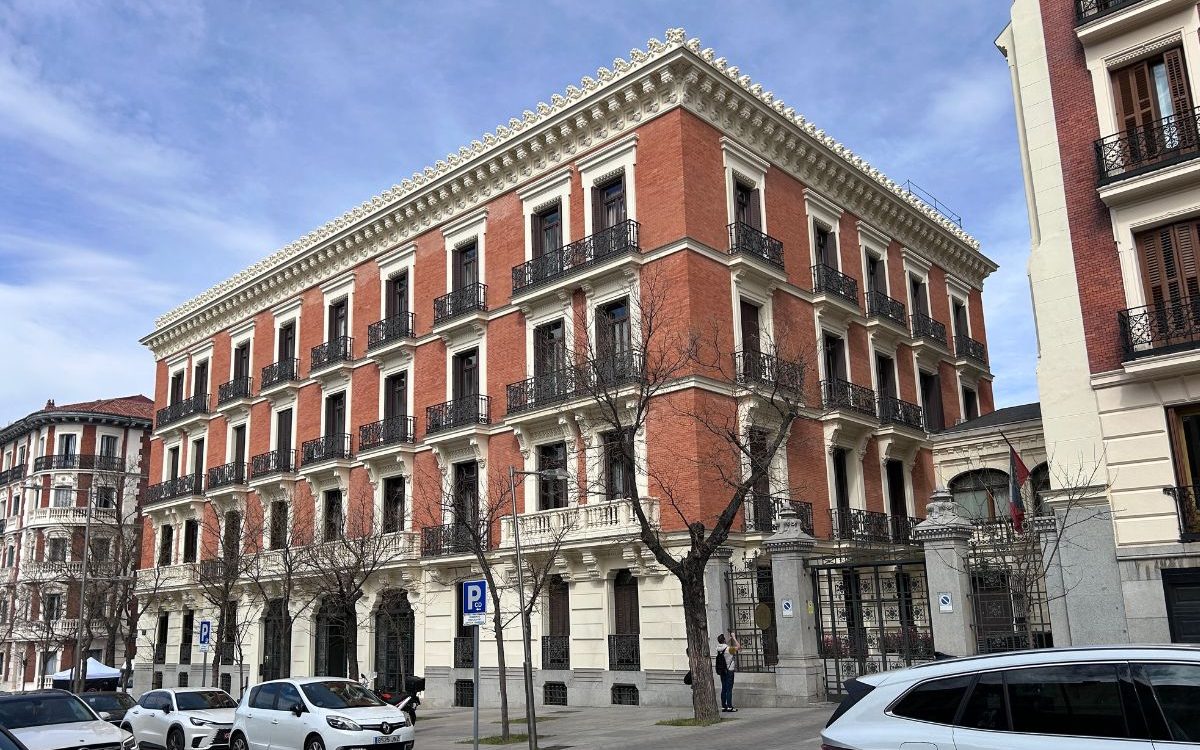
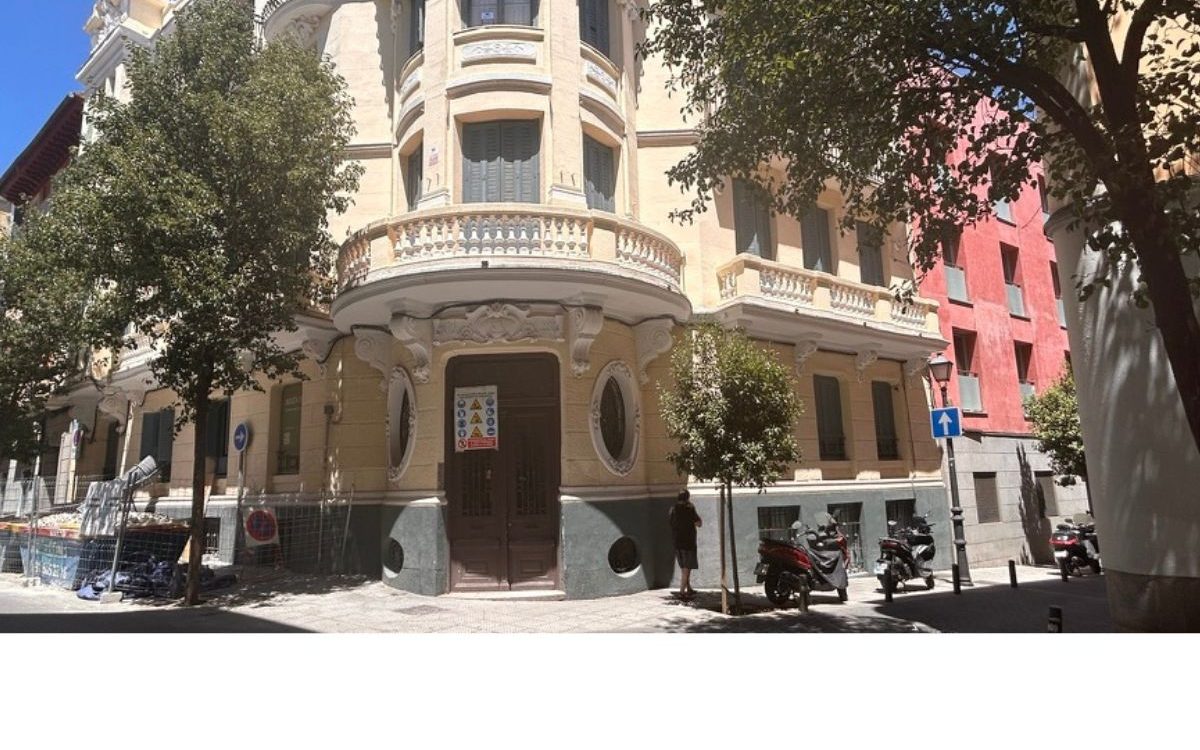
The super-prime real estate market in Madrid is concentrated in very specific locations: Jerónimos, the upper part of Recoletos, and, occasionally, some exceptional properties on Castellana. These are areas where the scarcity of available properties is structural—new stately homes from 1910 cannot be built—demand is highly qualified, and prices reach the highest levels in the entire Madrid market.
What defines super-prime real estate isn't just the price. It's the combination of scarcity, exceptional quality, and the absence of direct comparables. When an asset like this comes onto the market, it doesn't compete against mid-range properties. It competes against itself.
Total coherence: when all variables are at their maximum
In the general prime market, it's common for an asset to excel in one or two areas while being adequate in the others. In the super-prime market, all four areas must be at their peak simultaneously: exceptional micro-location, a prime historic building, a home with outstanding proportions and natural light, and impeccable condition.
When even one of these variables fails, the asset drops out of super-prime and back into upper-prime. The difference can be enormous. A magnificent building on a busy street loses its status. A top-notch renovation of a mediocre building doesn't achieve it. Total consistency is what defines this category.
The building as a unique piece
In the super-prime area, the building ceases to be a 'factor' and becomes the protagonist. We are talking about properties built between 1880 and 1920 by the best architects of the time, with entrances that are architectural treasures: Carrara marble, leaded stained glass, coffered ceilings of fine wood, and imperial staircases with wrought iron railings. In Jerónimos, representative living spaces range from 300 to 600 square meters, with ceilings exceeding 3.60 meters—dimensions that are neither built nor can be replicated today.
The common areas of these buildings—entrances, grand staircases, interior courtyards—occupy a generous proportion of the building. They are not 'wasted space': they are the prelude to what lies within, and form as much a part of the property experience as the individual residences themselves.
The price per square meter loses its meaning
In the super-prime segment, price per square meter ceases to be a useful benchmark. A 350 m² penthouse with a private terrace and views of the Retiro Park in a building dating back to 1895 isn't valued by multiplying square meters by an average price. It's valued for what it is: an asset with no equivalent in the market, which, when it goes on the market, generates immediate demand from a very specific type of buyer.
We've seen properties in this segment sell in weeks, with no significant price negotiation. And we've seen buyers wait months—sometimes years—for a property like this to become available in a specific building. This dynamic of scarcity and qualified demand is what sustains this level of the market.
Renovation in the super-prime: craftsmanship, not construction
In this segment, renovations aren't measured in euros per square meter. They're measured in terms of the building's coherence and the level of craftsmanship. We're talking about restoring original moldings, recovering hydraulic tile floors, custom-made solid wood joinery, and seamlessly integrating home automation and climate control systems. These are projects where the budget per square meter far exceeds what's typically invested in the standard prime market.
What's interesting is that, in certain super-prime locations, renovations can still generate positive net value—the market recognizes a significant difference between properties to be renovated and finished properties. In others, that gap has already closed. Determining which of these two situations a specific asset falls into requires an analysis that goes far beyond general statistics.
The super-prime isn't for everyone—and it shouldn't be.
Operating in this segment requires a level of market knowledge, execution skills, and patience that not all buyers possess or need. Most high-quality transactions in Madrid close in the upper prime segment, where there is greater market depth, more comparable properties, and more options.
But for those seeking a truly exceptional asset—a piece that has no equivalent and that time will only make scarcer—Madrid's super-prime now offers a proposition that few European cities can match, at prices that have not yet reached their peak.
This analysis of super-prime real estate is one aspect of the criteria an international investor needs before entering Madrid's prime market. The complete framework is organized as follows: the four pillars of knowledgeHow the market works, which neighborhoods concentrate the value, what types of properties exist, and how to make a good decision before buying.