
The price differences in Madrid housing are a scene we've witnessed countless times. A buyer from Mexico City, São Paulo, or London arrives in Madrid with a clear budget and a defined idea of what they want: a renovated apartment of a certain size in one of the city's prime neighborhoods. They start looking at options. And they discover that two apartments that, on paper, seem almost identical have a price difference of 800,000, a million, sometimes even a million and a half euros.
The immediate reaction is to think that one of the two is overpriced. That the expensive one is outrageously expensive, or that the cheap one is a bargain. In our experience, neither is usually true. What happens is that Madrid's prime market takes into account variables that aren't visible on a website listing.
Madrid housing price differences: the unexpected dispersion
Within the same neighborhood and the same property category, the difference between the lowest-priced and highest-priced property can easily exceed double. This is not an exaggeration. This is what the data shows when analyzed. actual market transactions, property by property.
This dispersion is not an anomaly. It is the exact expression of how the market works: each asset is unique, and its value depends on the specific combination of micro-location, building, product, and condition. But this reality—which market professionals experience daily—deeply surprises those who come from outside.
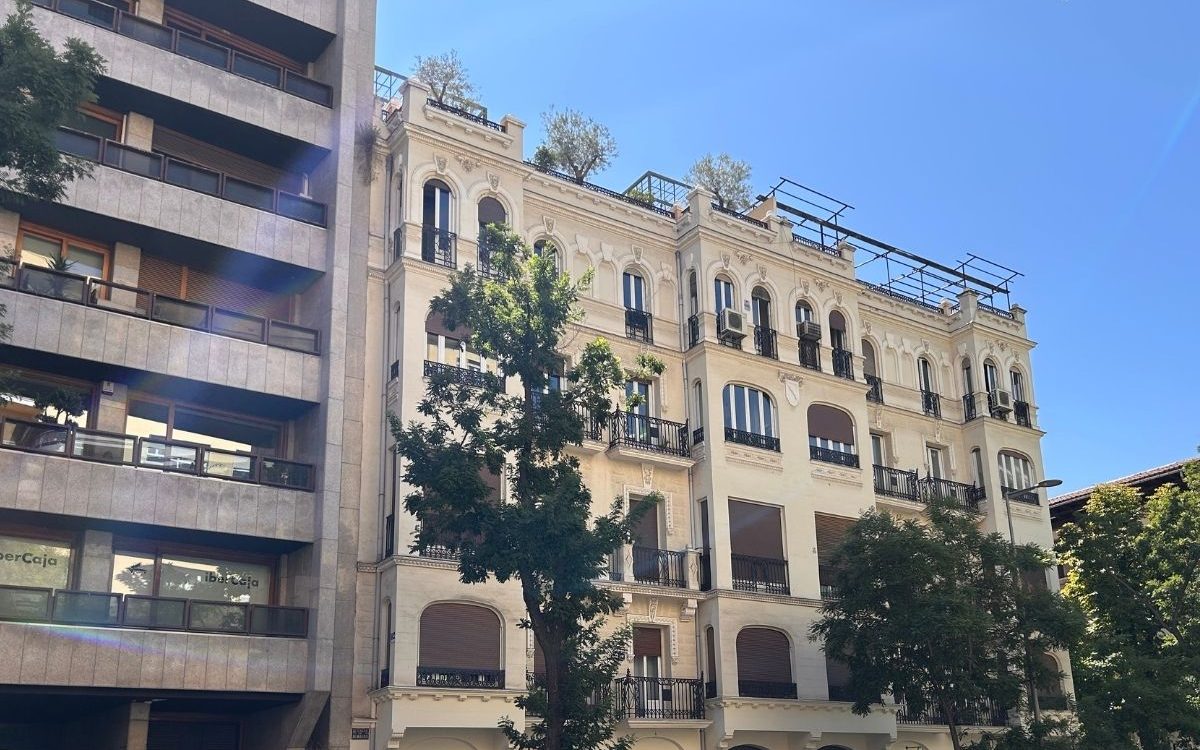
The micro-location: same street, different worlds
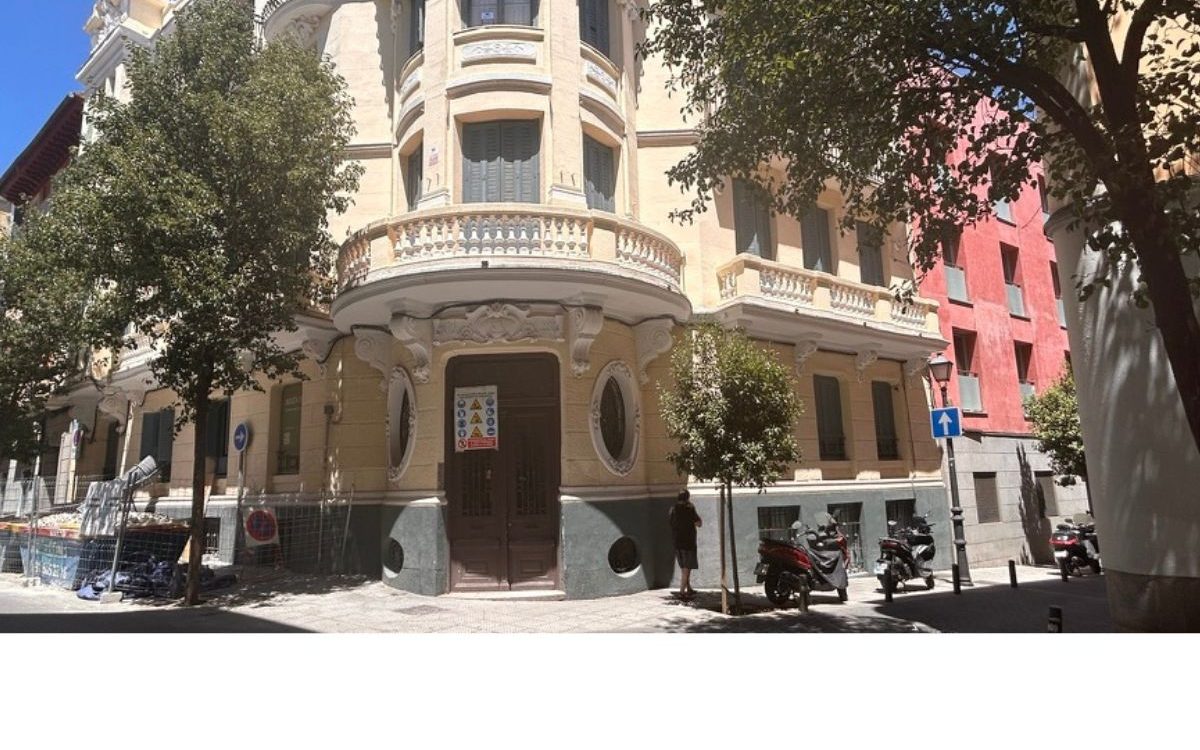
The first factor that explains the differences is the micro-location. Within the same neighborhood—even within the same street—the value can change radically. A first-floor apartment on a street with heavy traffic and aggressive ground-floor businesses is nothing like a third-floor apartment on a quiet, tree-lined street, even if they share the same postal code.
In the most sought-after neighborhoods, these micro-location differences represent variations of 30 to 50 percent. And these are precisely the variations that no real estate portal captures.
The building: the invisible difference
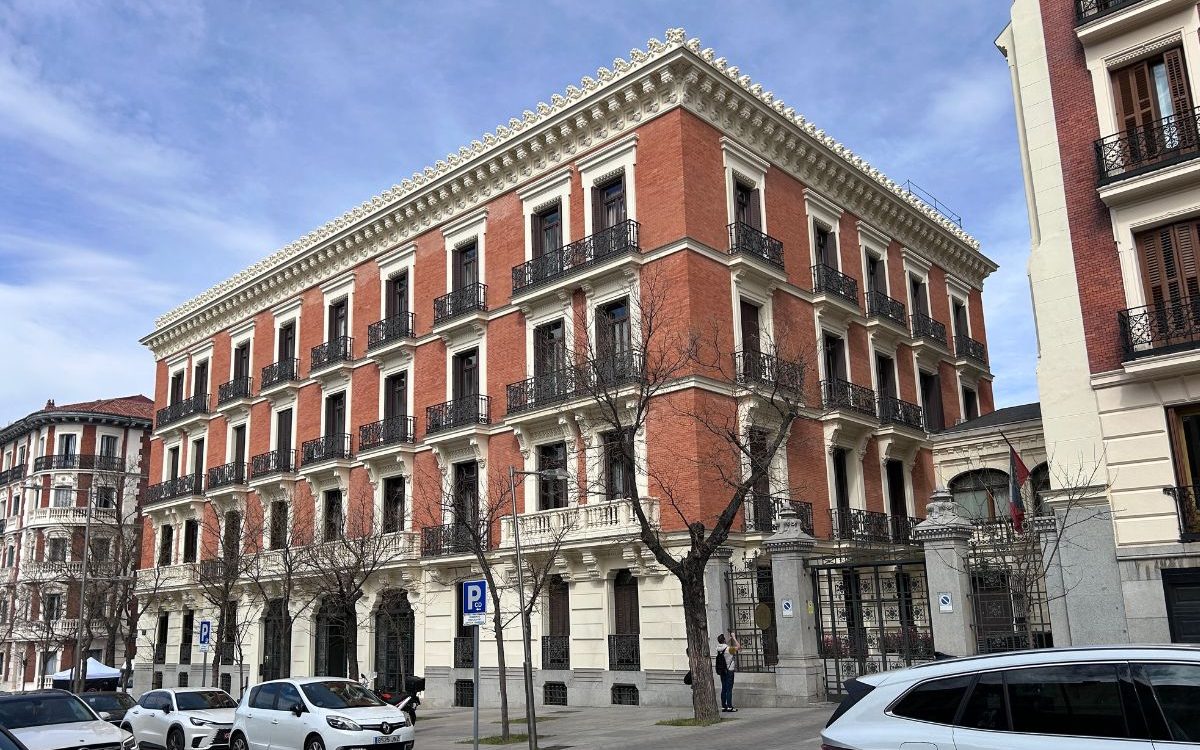
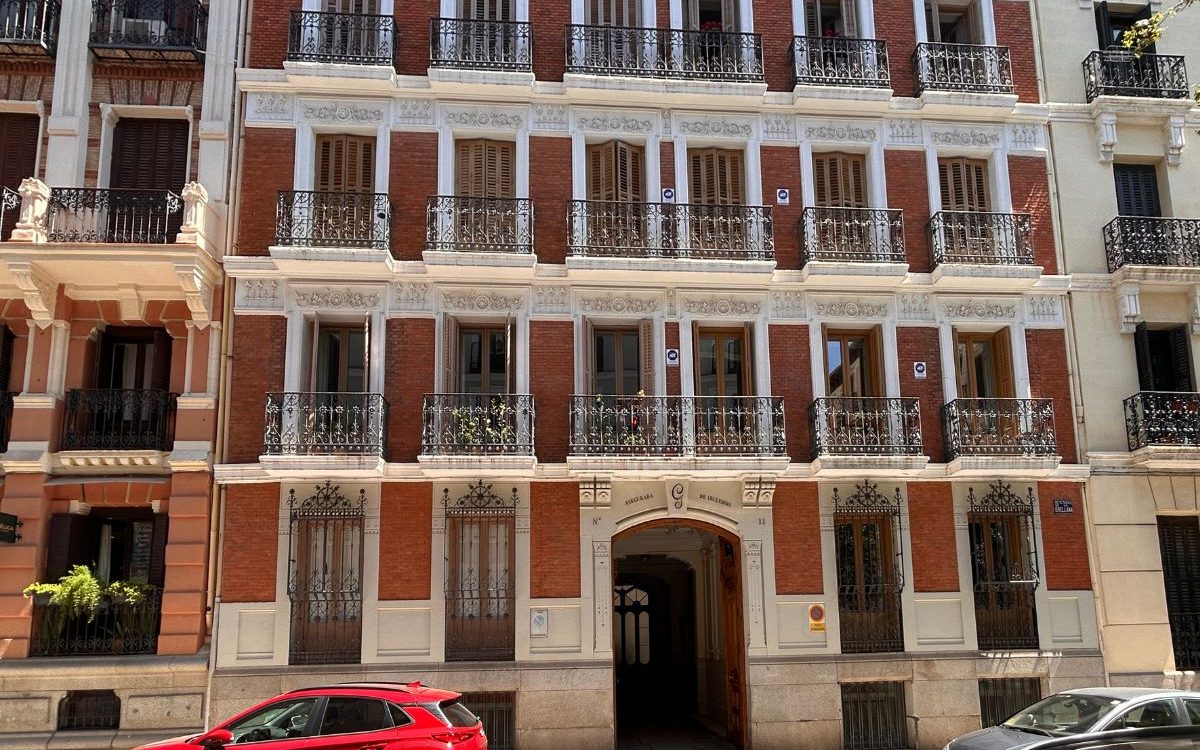
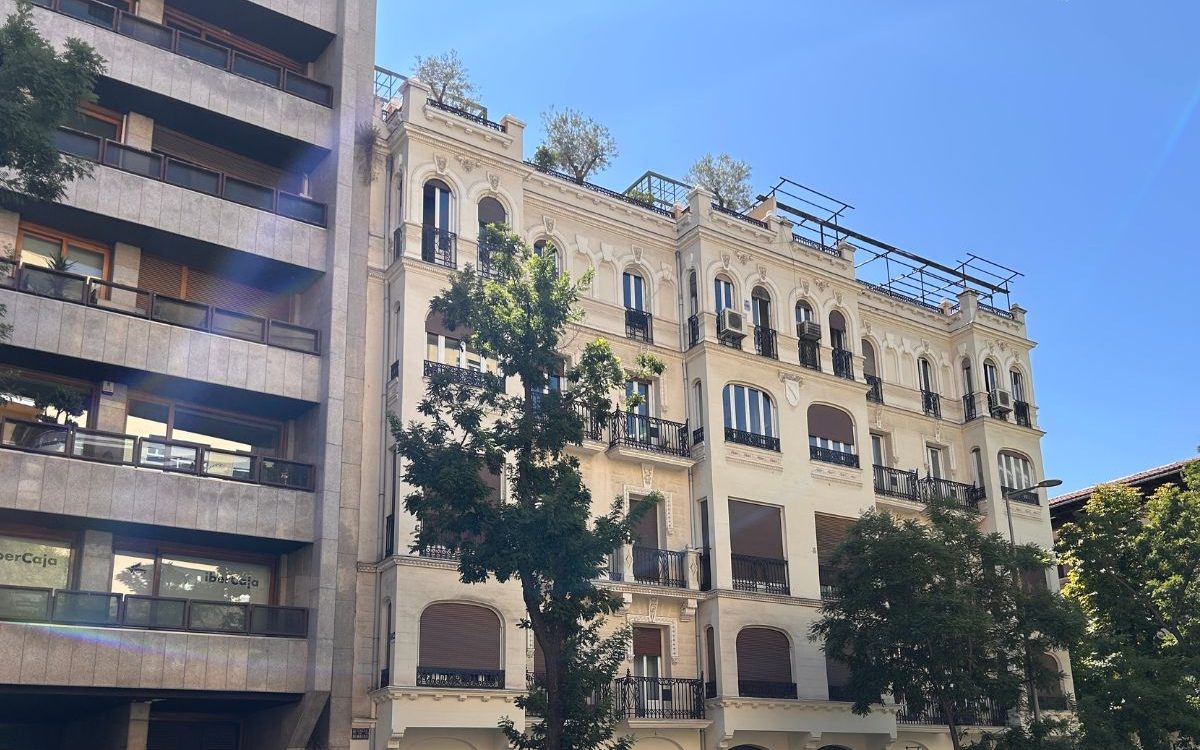
The second major factor is the building. An apartment in a classic 1910 building, with a marble entrance, 3.4-meter ceilings, and a restored elevator, operates in a completely different segment than an apartment in a functional 1970s block located three doors down on the same side of the street. As we analyzed in the article on housing types in the prime market, The difference between typologies can represent a 20 to 35% variation in price per square meter.
The product: what it feels like to enter
Beyond the neighborhood and the building, the apartment itself matters enormously. Layout, proportions, ceiling height, natural light, orientation, presence or absence of balconies. Two apartments with the same total built area can offer completely different realities in terms of actual living space: in stately buildings with generous common areas, the difference between what appears on the property listing and what you can actually walk on inside the apartment can be very significant.
The market immediately recognizes that difference. And pays for it.
The state: not all reforms are the same
The fact that a home is 'renovated' doesn't tell you much. Some renovations cover the basics, while others restore original moldings, install heat pumps, integrate home automation, and use imported materials. Both are labeled as 'renovated' on a real estate website. But the market values them radically differently.
As we explained in the article about how the condition of the property influences its value, The quality of the reform matters as much as, or even more than, its existence.

The combination: when everything aligns, the price skyrockets
What truly explains the price differences in Madrid is the combination of these four variables. A property with an exceptional micro-location, architecturally significant buildings, well-designed apartments, and top-quality renovations will be at the higher end of the price range. A property where any of these variables is lacking will be at the lower end. And in between, there's a continuous gradation that the market calibrates with surprising precision.
Understanding this completely transforms how we view the market. Homes cease to appear 'expensive' or 'cheap' and begin to be seen for what they truly are: assets with distinct characteristics that the market values consistently.
Understanding the price differences in Madrid is just one aspect of the criteria an international investor needs before entering this market. The complete framework is organized as follows: the four pillars of knowledgeHow the market works, which neighborhoods concentrate the value, what types of properties exist, and how to make a good decision before buying.
Related articles
What factors determine the value of a super-prime asset in Madrid
Seguir leyendo
Why the price per square meter does not explain the real value of a home in Madrid
Seguir leyendo
How the condition of a property influences its value in Madrid's prime market
Seguir leyendo