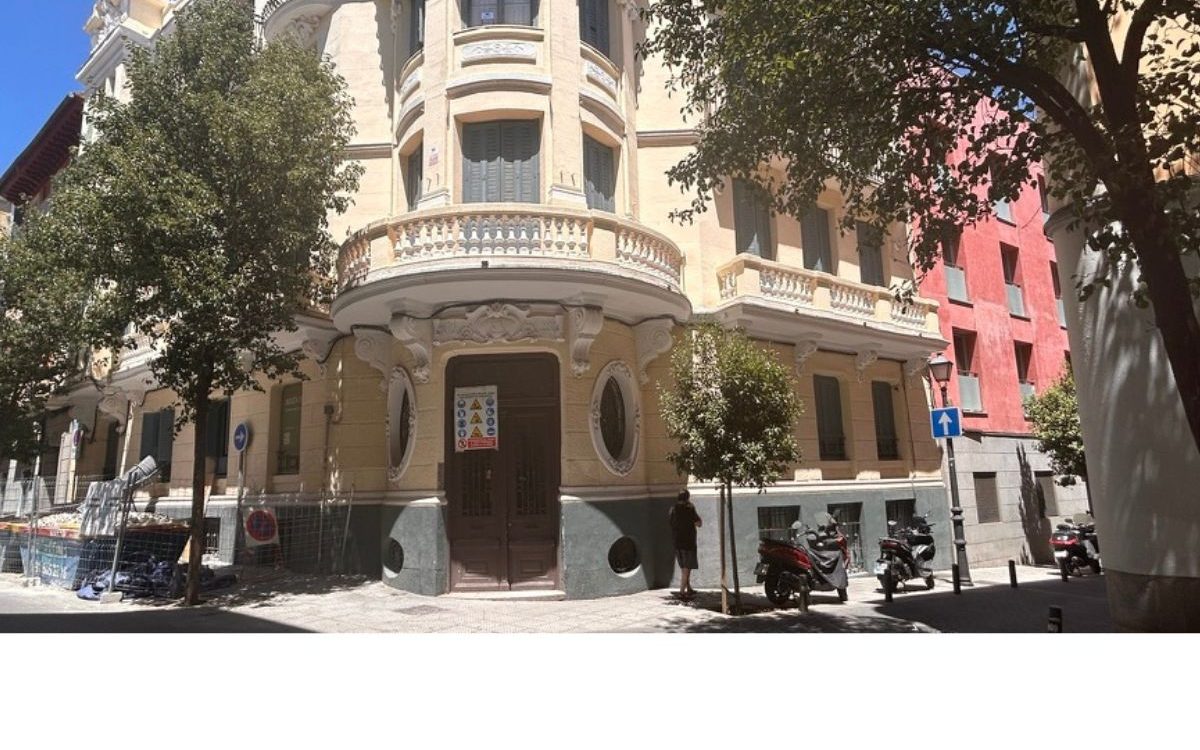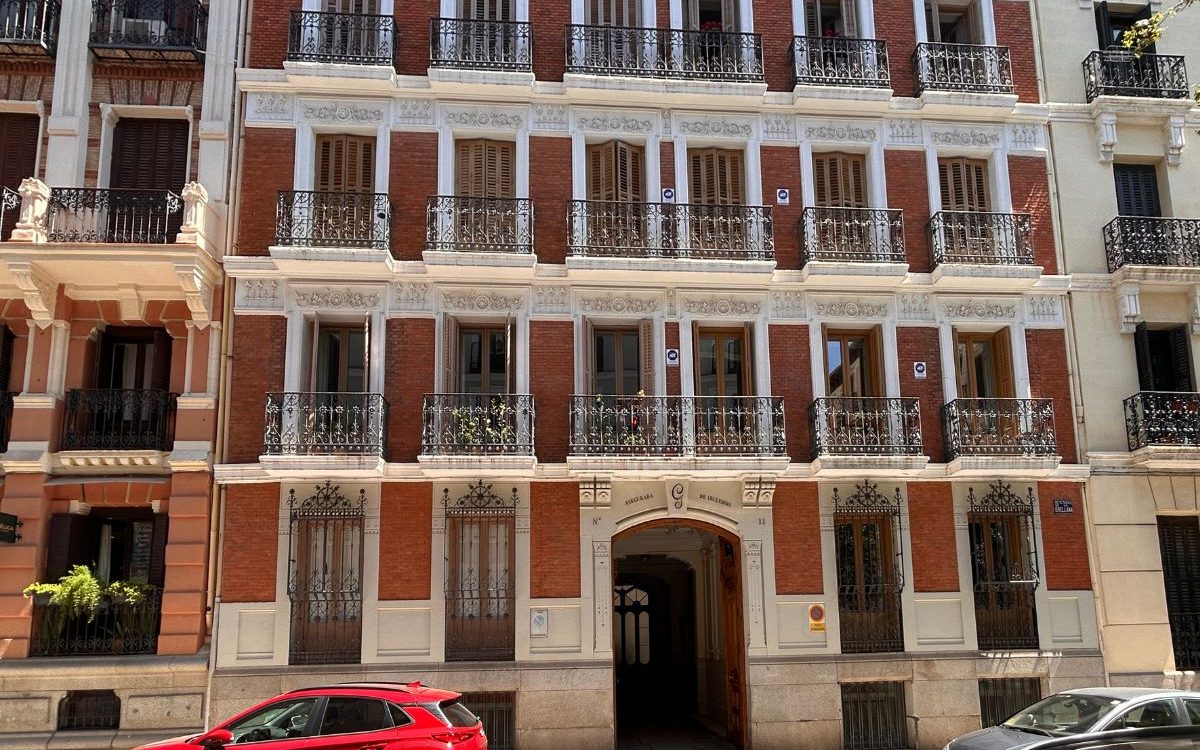
Madrid is not a single real estate market.
It is a complex urban system, made up of layers, zones and dynamics that coexist —and sometimes compete— within the same city.
Talking about real estate in Madrid means analyzing the market beyond average prices, quarterly trends, or headlines about record highs. It requires understanding how value is distributed, why some areas hold up better than others, and what role each neighborhood plays within the urban landscape.
This article proposes an analytical reading of the Madrid real estate market from an urban and heritage perspective.
Madrid as a real estate market: one city, multiple realities
Madrid's so-called prime areas are often associated with prestige, price, and exclusivity. However, from an urban analysis perspective, their main characteristic is stability.
These areas share characteristics such as:
-
Constant and diversified demand
-
High percentage of primary residence
-
Limited speculative rotation
-
Ability to absorb cyclical changes with less volatility
Not all prime areas fulfill the same role within the market. Some function as heritage preservation areas—as is the case in established neighborhoods such as Almagro either Justice— while others exhibit different dynamics depending on the urban context, as can be seen in areas with greater transformation such as Malasaña.
What defines real estate value in Madrid (beyond price)
Price is a consequence, not a cause.
In Madrid's real estate market, the property value of an area is built upon deeper factors:
- Continuity of the urban fabric
- Structural demand profile
- Residential quality
- predominant land use
- Market absorption capacity
- Historical behavior in relation to economic cycles
The areas that best preserve value are not necessarily the most expensive at any given time, but rather those where these factors align in a stable manner over time.
From an analytical point of view, understanding these elements allows for a better interpretation of how the urban market works.
Prime areas in Madrid: structural stability
Madrid's so-called prime areas are often associated with prestige, price, and exclusivity. However, from an urban analysis perspective, their main characteristic is stability.
These areas share characteristics such as:
- Constant and diversified demand
- High percentage of primary residence
- Limited speculative rotation
- Ability to absorb cyclical changes with less volatility
Not all prime areas fulfill the same role within the market. Some function as heritage preservation areas, while others exhibit different dynamics depending on the economic context.
Understanding these differences is an essential part of any rigorous analysis of real estate in Madrid.
Residential Madrid and Investor Madrid: Two Complementary Perspectives
One of the common misconceptions in the market is to mix up residential meter reading with investor meter reading as if they were the same thing.
Madrid is a city where:
- Many decisions are made to live, not to rotate.
- Residential demand sustains a large part of the market.
- The most solid investment is usually linked to real-world uses
From an analytical perspective, both readings should be considered separately, as they respond to different logics within the same urban system.
The importance of zonal analysis
Madrid can be understood neighborhood by neighborhood.
Urban analysis gains depth when it descends to the level of specific areas and observes variables such as:
- Predominant housing type
- Socioeconomic profile of the demand
- Actual use of the real estate stock
- Stock renewal level
- Demand pressure in different scenarios
This approach allows us to identify:
- Consolidated areas with predictable behavior
- Areas with potential for structural revaluation
- Environments where price responds more to narrative than to fundamentals
The analysis by zones is not optional: it is structural to understand the real functioning of the Madrid market.
Madrid as an urban system
Understanding real estate in Madrid means recognizing that the city functions as an interconnected system. Decisions made in one area influence others. Demand flows shift. Balances change.
Analyzing the city from a global perspective before going into detail about each neighborhood allows for a better interpretation of its dynamics and reduces simplistic readings.
A structural reading of real estate in Madrid
Madrid offers opportunities, but above all, it offers structure.
Understanding how the city is organized, how value is distributed, and what function each zone fulfills within the urban whole allows for a deeper interpretation of the market.
In real estate, as in wealth management, understanding the context is always the first step. For a more in-depth look at this approach as applied to Madrid, see the specific analysis of real estate in Madrid.