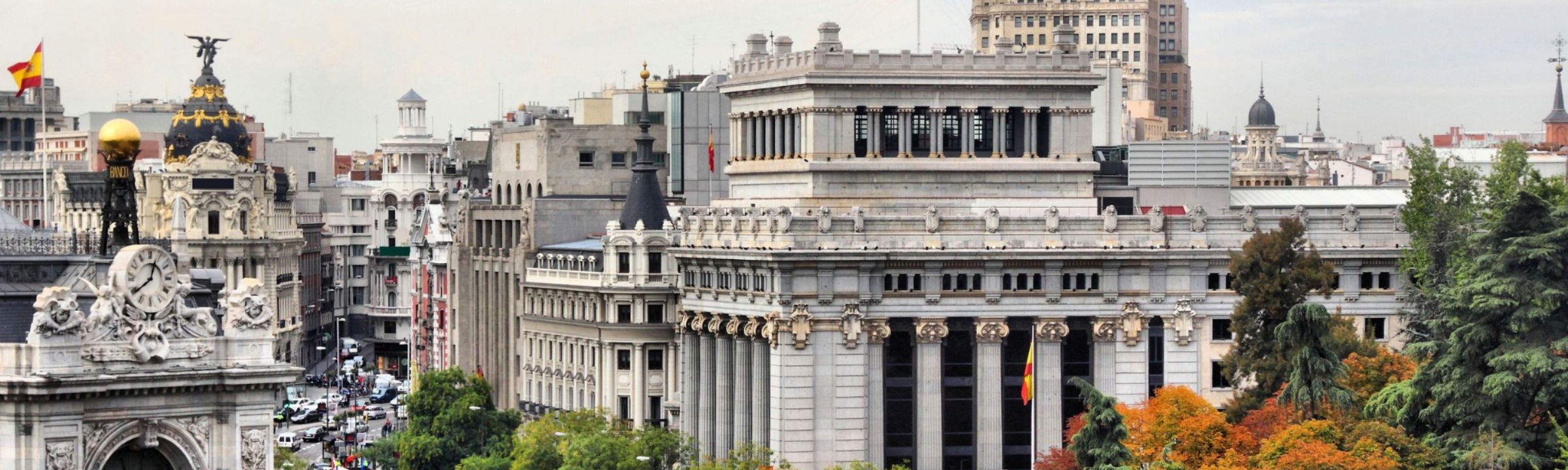
There's a question that comes up in practically every initial conversation with international buyers: where is Madrid's good residential market? The answer is more concrete than it seems. And more compact.
Madrid is a sprawling city—more than 600 square kilometers of municipal area—but its high-end residential market is concentrated within a perimeter of no more than five square kilometers. Fourteen neighborhoods. Three urban axes. An ecosystem where the city's history, its architecture, and the evolution of residential tastes have created a map that, once understood, is remarkably legible.
As we explained in the article about How to interpret the real estate map of Madrid, Understanding where this core is located is the first step for any serious market analysis.
The historical axis: Salamanca as the epicenter
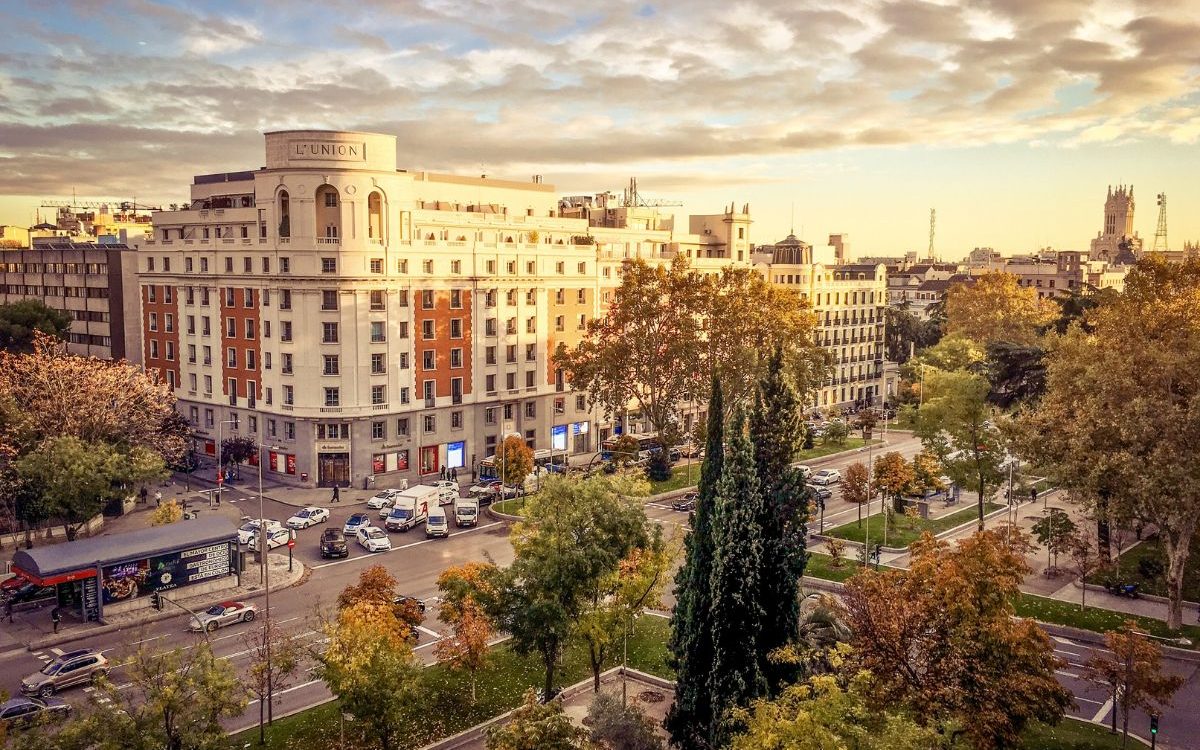
The Salamanca district and its immediate surroundings—Recoletos, Castellana, Goya, Lista—constitute the historical core of Madrid's prime real estate market. It is the area with the greatest market depth, the highest transaction volume, and the strongest international demand.
The layout of the 19th-century expansion, with its wide streets and regular blocks, created an urban environment that remains a benchmark. A stroll along Serrano Street between Genoa and Independence Square on a Tuesday morning reveals at a glance why this area attracts buyers seeking understated elegance.
It is, by far, the part of the market where the most transactions take place, where the data is most robust, and where the dynamics are most established. For the buyer seeking security and liquidity, this axis is the natural starting point.
As we explained in the article about What differentiates neighborhoods like Almagro, Justicia, or Jerónimos?, Each of the zones within this axis contributes different nuances within the same urban center.
Chamberí: the benchmark residential alternative
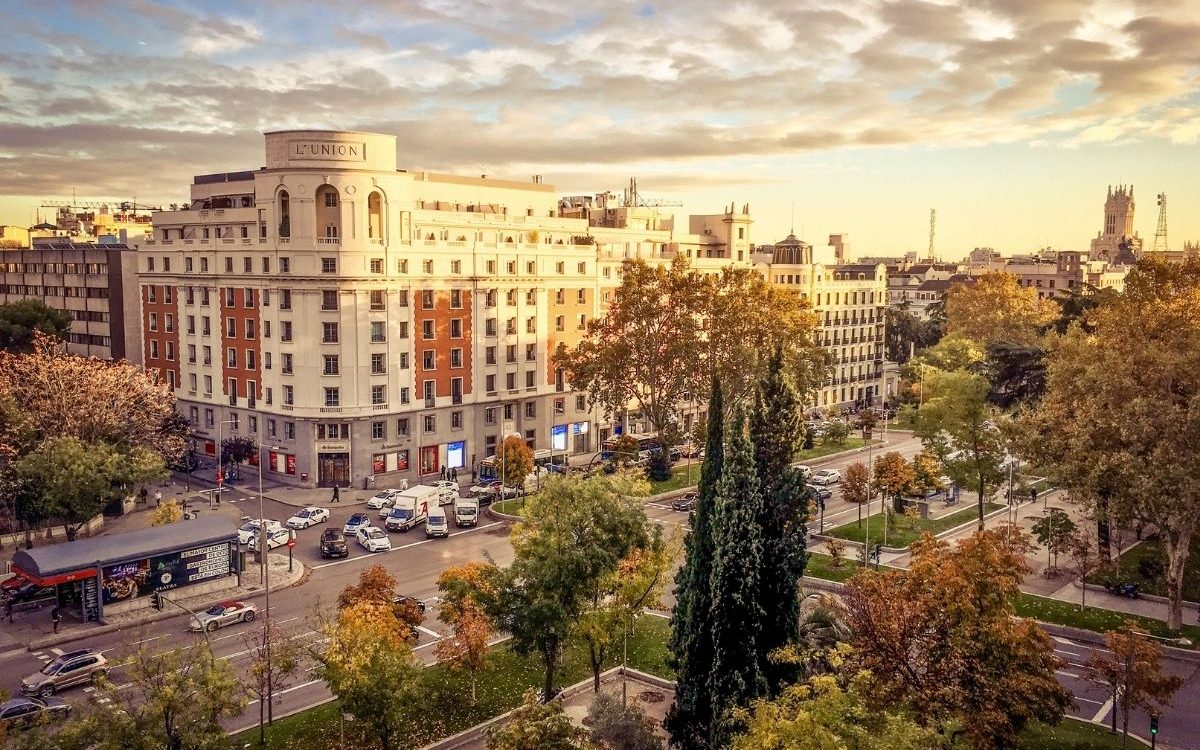
Beyond the Salamanca district, Chamberí has established itself as the second major residential hub in the prime market. Almagro, in particular, has achieved a position that would have been difficult to predict fifteen years ago: today it competes directly with areas of Salamanca in terms of demand and residential prestige.
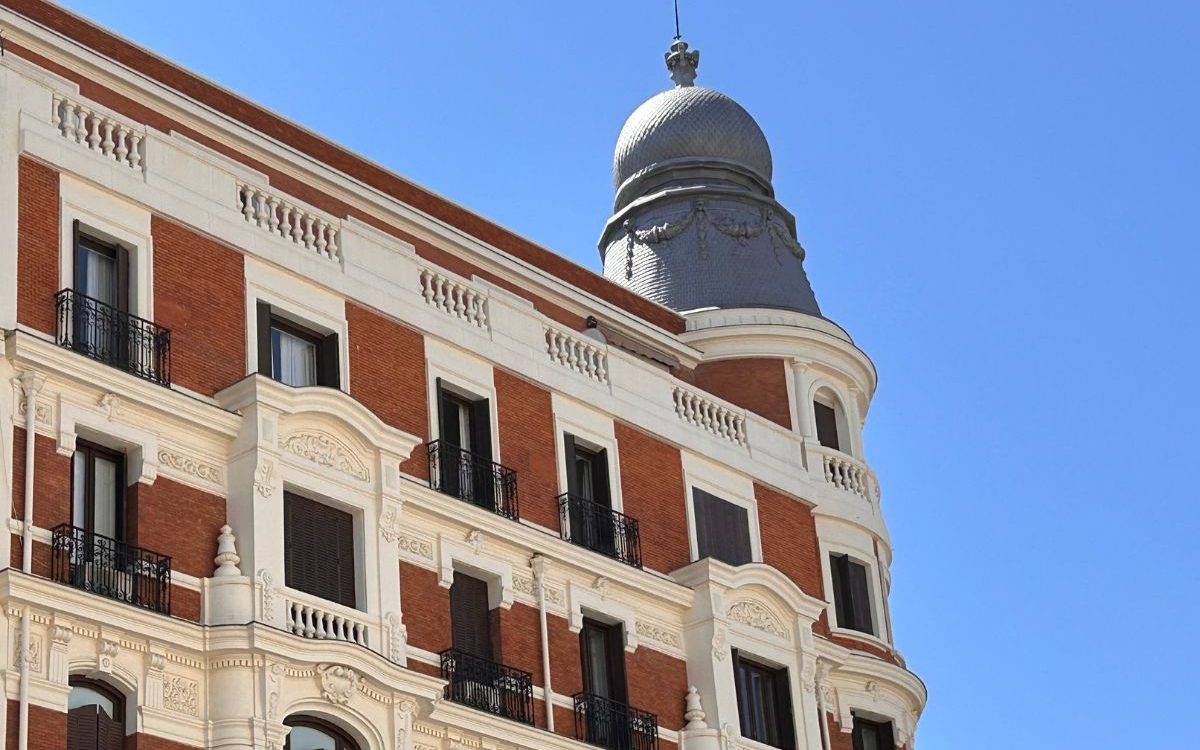
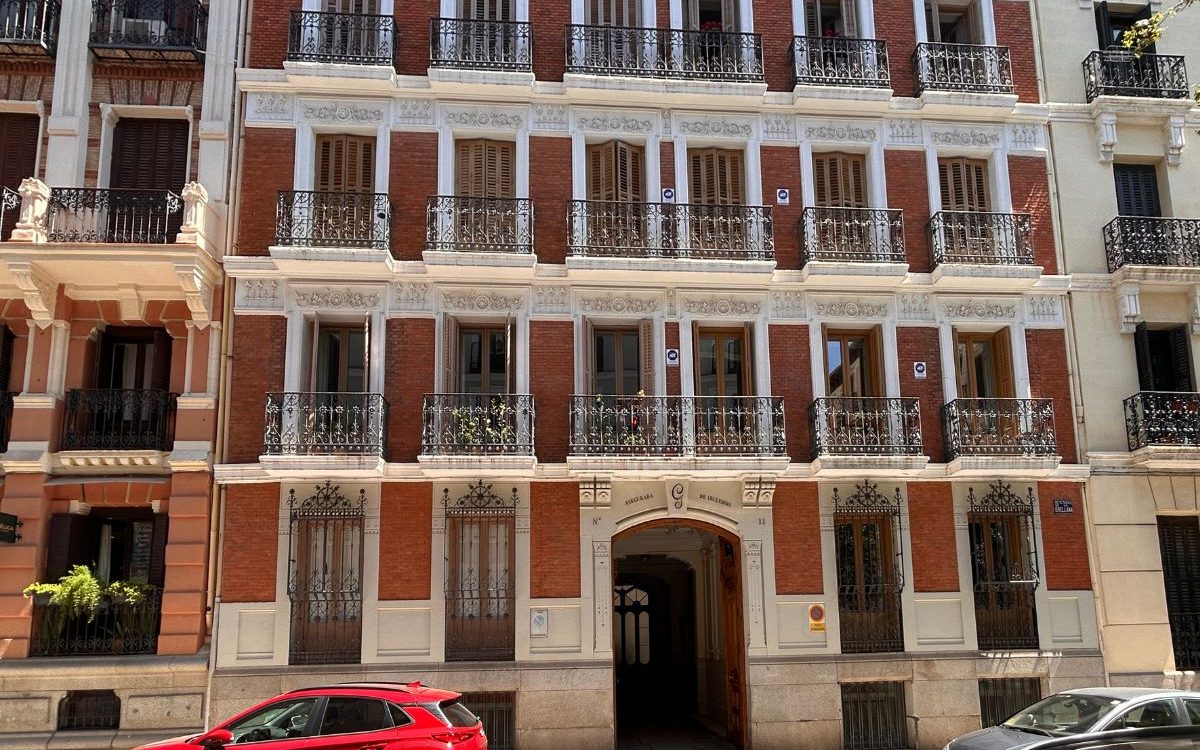
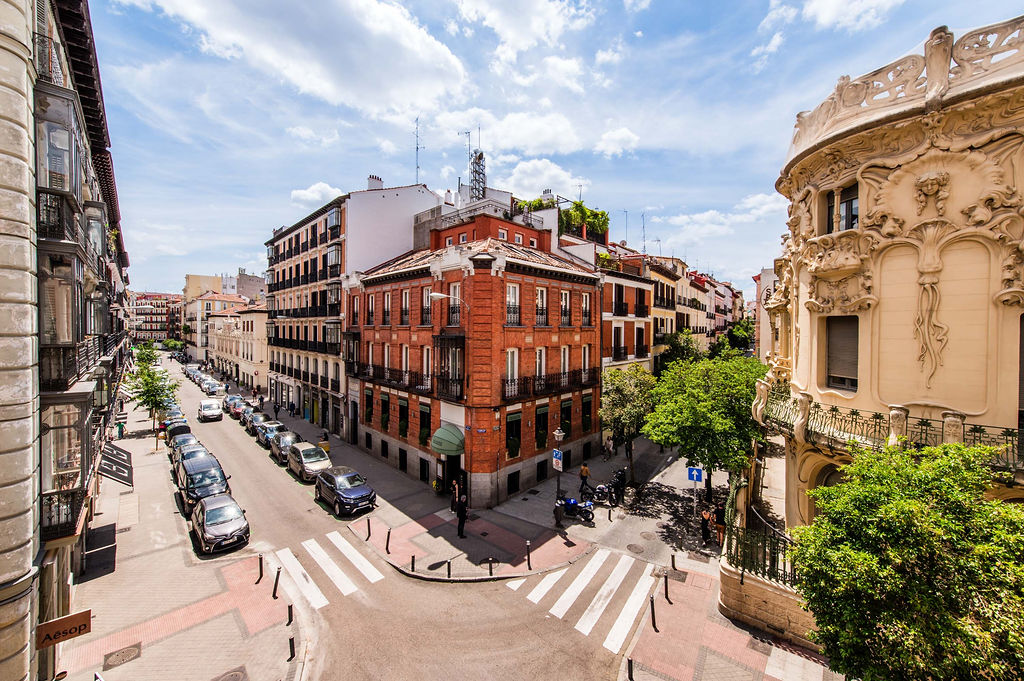
What sets Chamberí apart from the Salamanca district is its character. There are no grand commercial avenues here, nor the institutional presence of Paseo de la Castellana. Instead, there is a network of stately streets with stone doorways, exposed brick buildings, interior courtyards, and a residential tranquility that, in a city like Madrid, is invaluable.
The typical real estate market in Almagro—200 to 400 square meter apartments in stately buildings with generous common areas—attracts a very specific profile: diplomats, executives with permanent residences, and families who prioritize the surrounding area over commercial centrality. Demand for properties in this neighborhood has steadily increased in recent years.
As we explained in the article about The factors that determine the value of a home in Madrid, This combination of architecture, location, and urban scale directly influences how value is built.
The city center in transformation: Justice, Courts, Palace, Malasaña
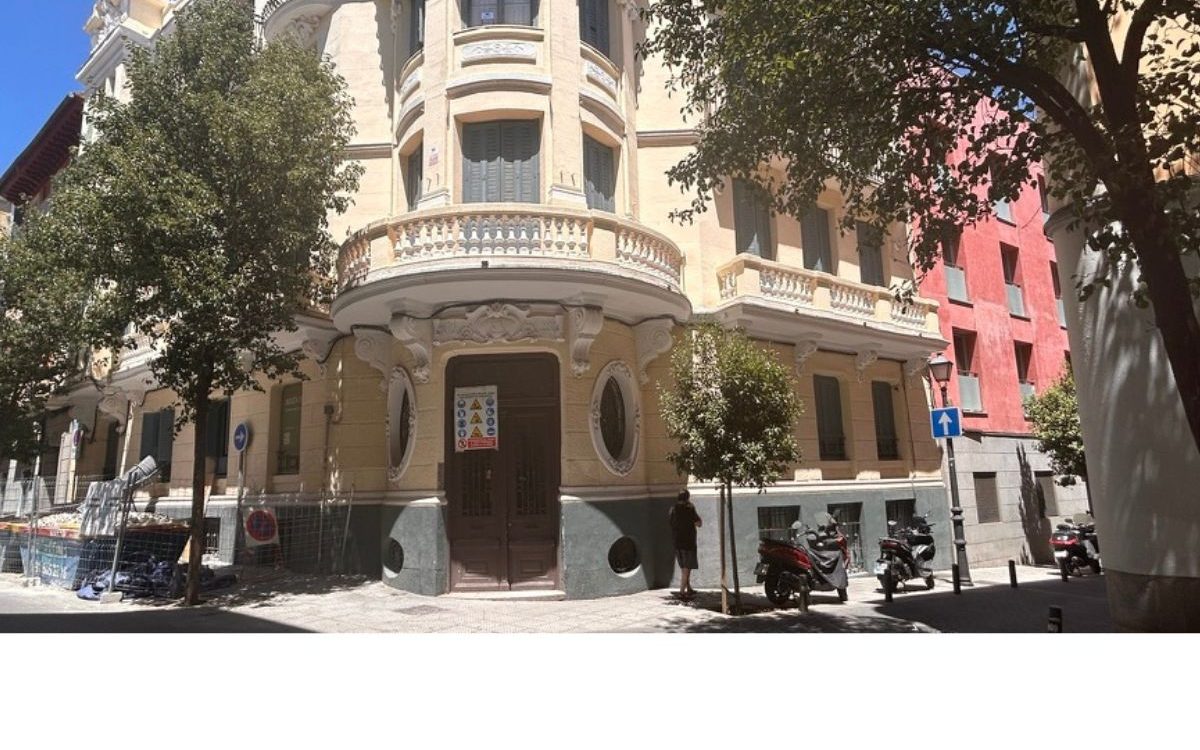
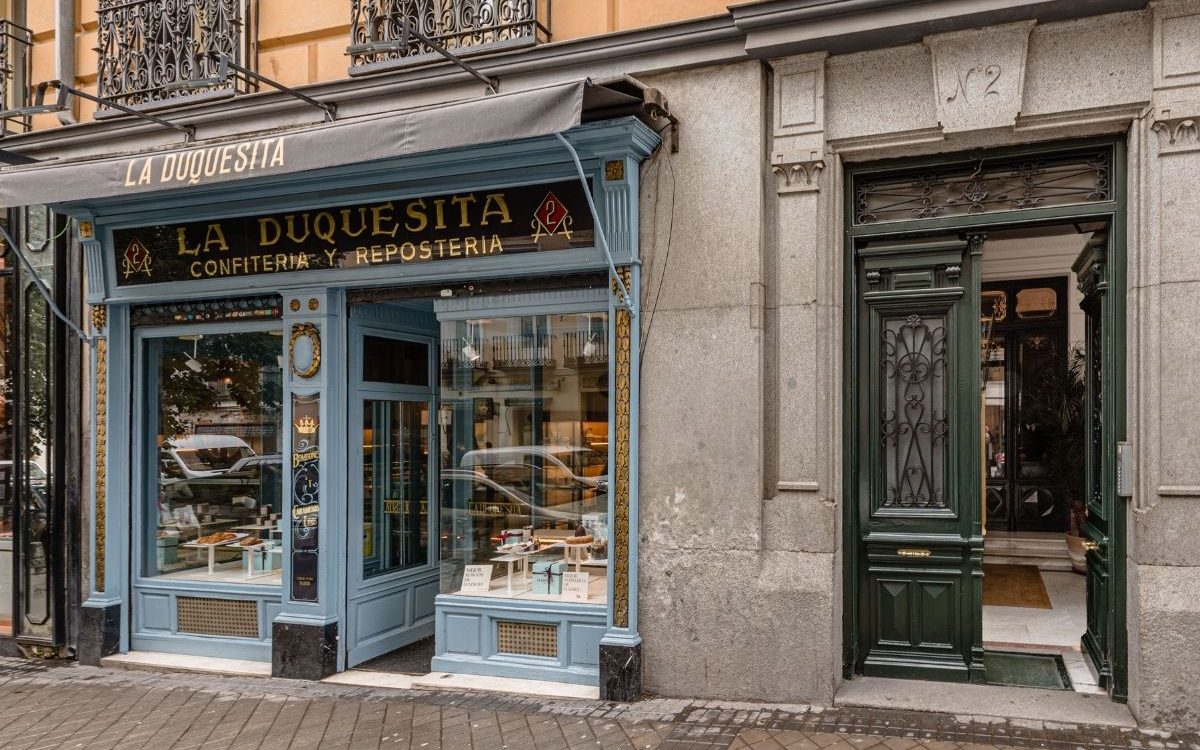
The third axis of the prime market is the most dynamic and the one that has changed the most in the last decade. Neighborhoods like Justicia or Malasaña, which ten years ago had a negligible presence in the prime segment, are now an indisputable part of the map.
In Justicia, the gradual rehabilitation of historic buildings has created a stock of high-quality renovated homes that attracts a cosmopolitan buyer, younger in profile and more connected to urban life. It is one of the neighborhoods where we have analyzed the most transactions in the last three years, and the upward trend is consistent.
Cortes y Letras offers a more focused market, with interesting potential due to its proximity to the Paseo del Arte. Palacio shows signs of increasing consolidation. And Malasaña presents its own dynamic: more accessible entry prices within the prime segment, but with potential for appreciation that deserves serious attention.
As we explained in the article about Madrid's prime market versus Europe, This blend of tradition and transformation is a characteristic of the Madrid market that has no direct equivalent in London or Paris.
A market that can be read in layers.
Madrid's most established residential areas are not evenly distributed. They are structured along three axes with distinct characteristics: Salamanca as the historical and most deeply rooted epicenter, Chamberí as a leading residential alternative, and the transforming city center as the most dynamic area.
Understanding this balance between established and emerging markets allows for a much more precise reading of the market. Because in prime Madrid, knowing where the market center is is key to understanding how everything else works.
Understanding where established residential areas in Madrid are concentrated is just one aspect of the criteria an international investor needs before entering this market. The complete framework is organized as follows: the four pillars of knowledgeHow the market works, which neighborhoods concentrate the value, what types of properties exist, and how to make a good decision before buying.
Related articles
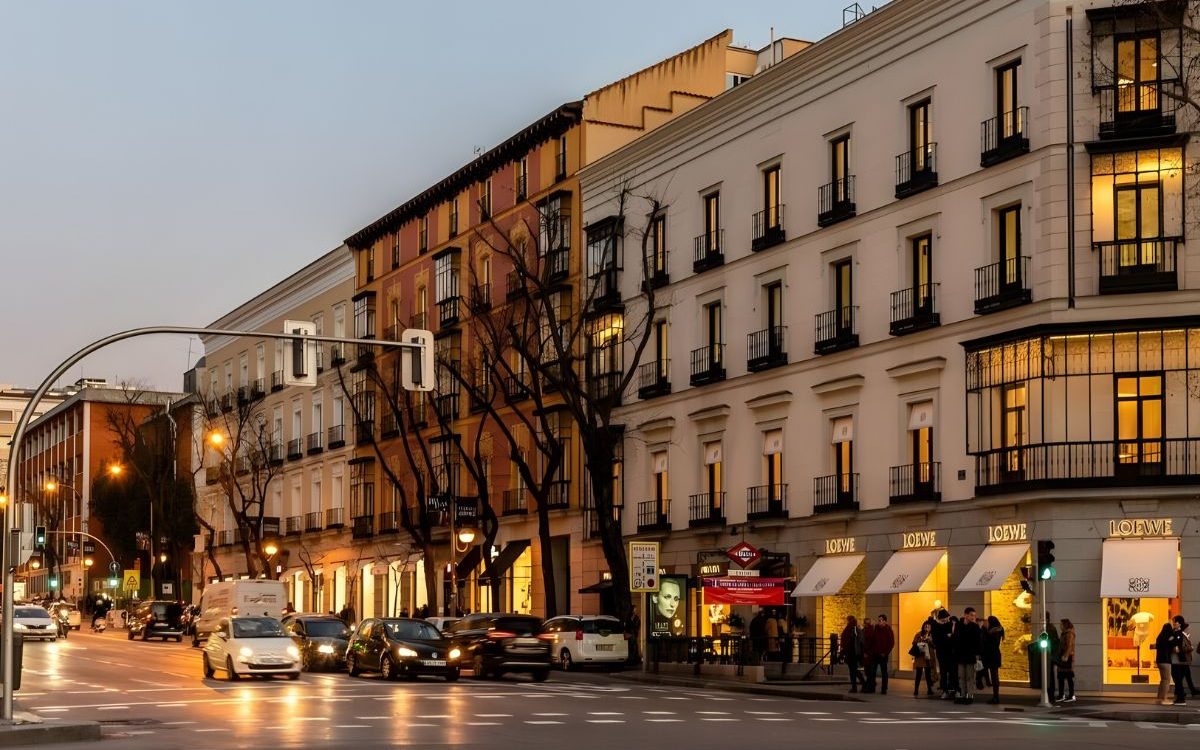
How to interpret the prime Madrid real estate map
Seguir leyendo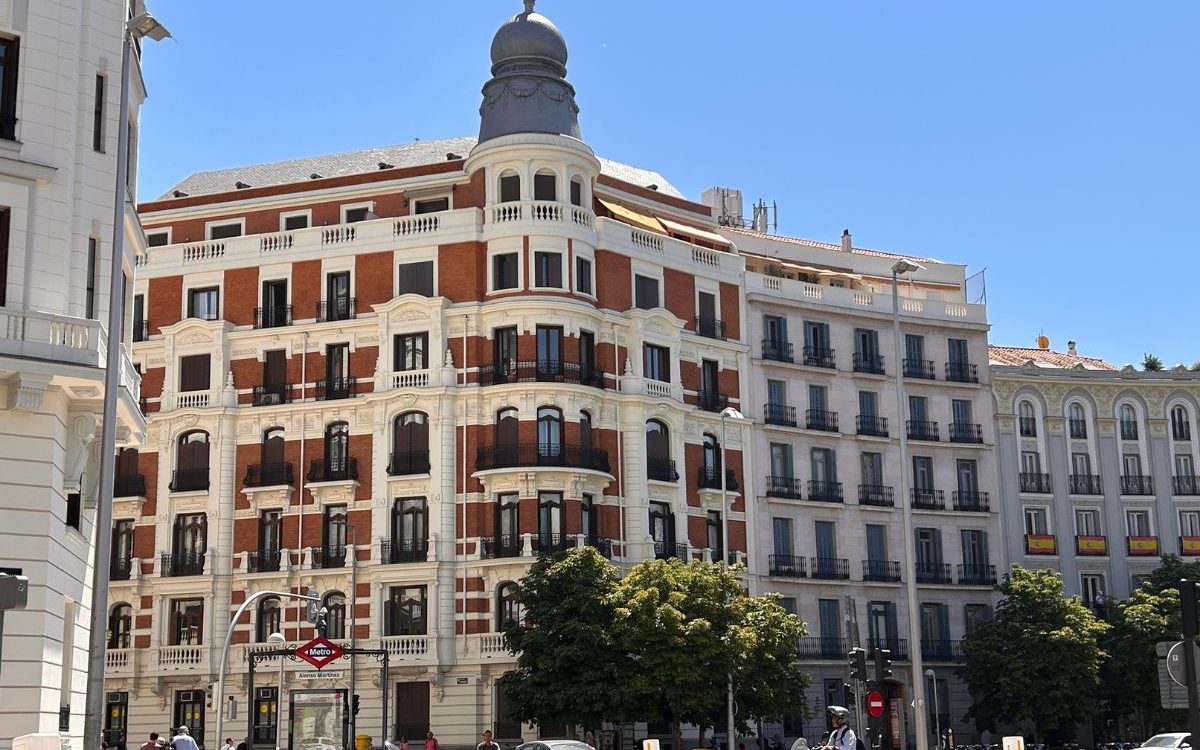
What differentiates neighborhoods like Almagro, Justicia, or Jerónimos in Madrid?
Seguir leyendo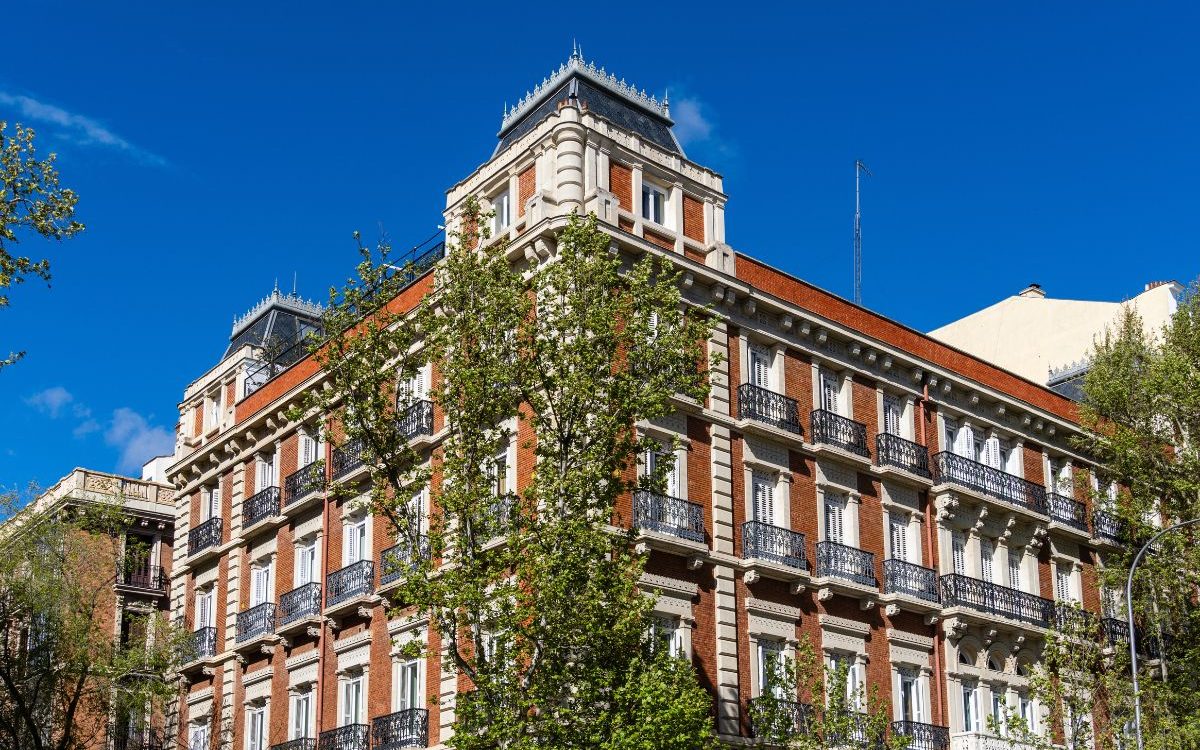
What factors determine the value of a super-prime asset in Madrid
Seguir leyendo