
A buyer arriving in Madrid from London, Paris, or Milan typically brings with them a frame of reference built over years in another market. They know how to read prices, interpret locations, and assess renovations. The problem is that these parameters don't work in Madrid. And applying them without adjustment almost inevitably leads to erroneous conclusions.
Madrid shares a high-quality residential segment with other major European capitals. However, its operation follows its own logic—more compact, more dependent on the building itself, more sensitive to the urban context—which should be understood before making comparisons.
As we discussed in the article on How to understand Madrid's prime real estate market, Interpreting this market requires abandoning direct comparisons and learning to read it according to its own rules.
The price gap: what the numbers say and what they don't say
The publicly available figures speak for themselves. In London, according to data from Knight Frank and LonRes, prime central London properties range from £1,200 per square foot in outer areas to over £3,000 in Mayfair or Belgravia—equivalent, in European currency and measurement terms, to between €15,000 and over €35,000 per square meter. In Paris, the Notaires du Grand Paris and consultancies like Savills place the prime segment of the central arrondissements above €15,000/m², with exceptional properties in Saint-Germain-des-Prés exceeding €20,000/m².
In the comparable segment, Madrid is clearly below London and in a range that rivals Paris in certain neighborhoods. But this comparison is misleading: what the buyer gets for their money in Madrid—in terms of size, architectural quality, urban environment, and standard of living—has no proportional equivalent in those cities.
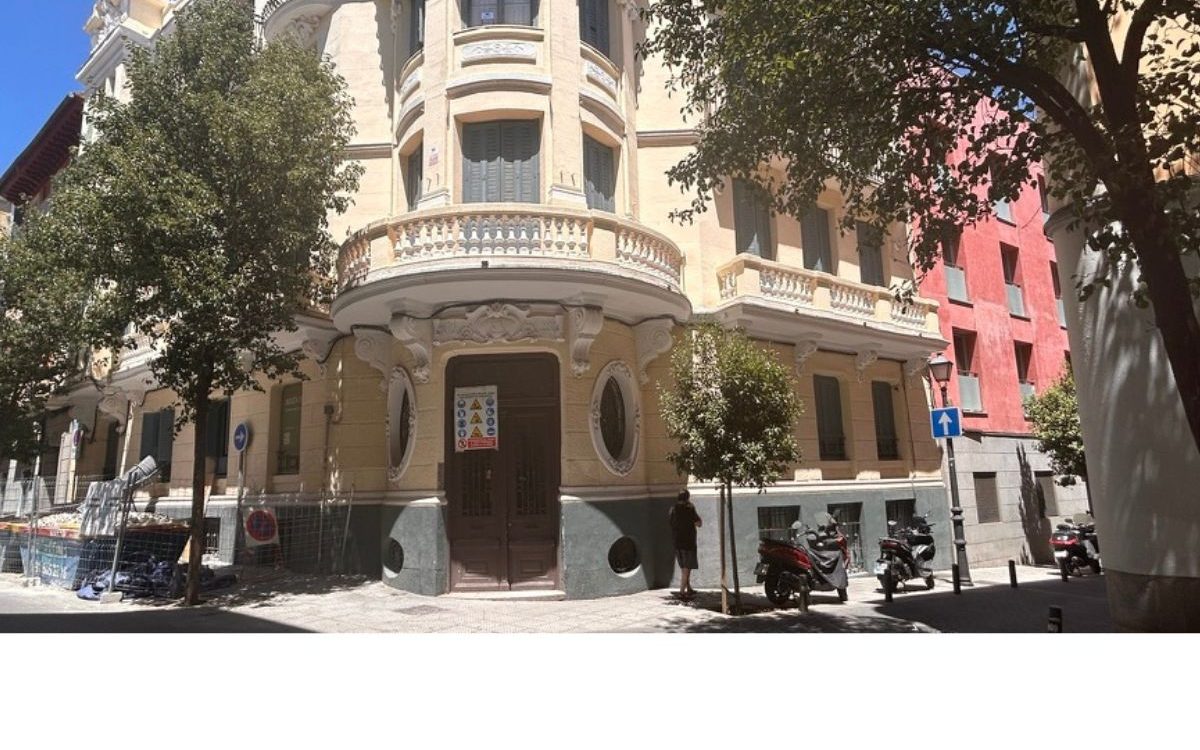
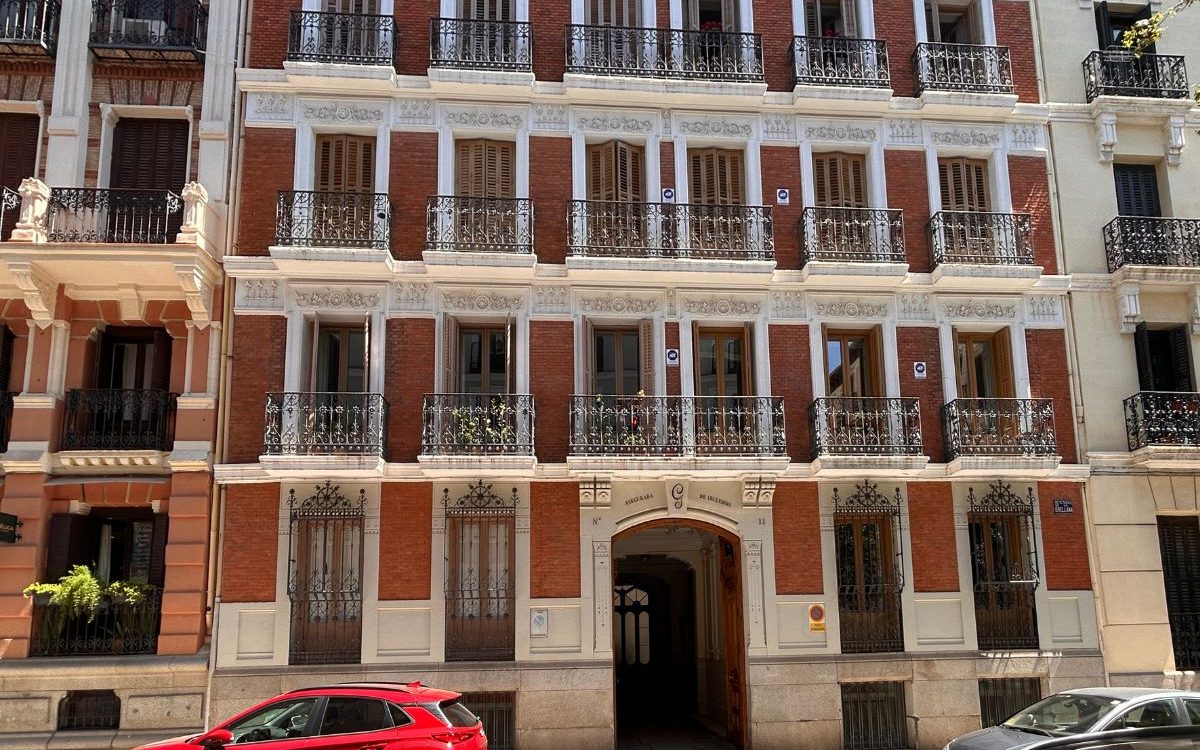
A spacious apartment in a stately building in Almagro, with three and a half meter ceilings, a restored entrance and a quality renovation, offers a living experience that in many aspects equals or surpasses that of equivalent assets in the VIIe of Paris or in Chelsea, at a significantly lower investment.

One of the most significant structural differences is the geographical concentration of the market. In London, the prime segment is spread across dozens of neighborhoods—from Mayfair to Notting Hill, including Kensington, Belgravia, and Hampstead—each with its own pricing and demand dynamics.
In Madrid, the entire prime real estate market fits within a perimeter that can be covered in 45 minutes on foot. The fourteen neighborhoods that comprise it are interconnected, share infrastructure, and generate an urban ecosystem where the differences between areas are subtle, not fundamental.
This concentration has direct implications for investors: in-depth knowledge of a neighborhood easily translates into the ability to analyze the whole. Those who understand Almagro already have the tools to understand Justicia. Those who know Recoletos can quickly interpret Jerónimos.
As we explained in the article about Madrid prime real estate map, This distribution is not accidental: it reflects the urban history of the city and completely conditions how value is constructed.
The weight of the building: a variable that Europe does not share with equal intensity
In most European markets, value is primarily determined by location and size. In Madrid, the building occupies a position that has no direct equivalent in other cities.
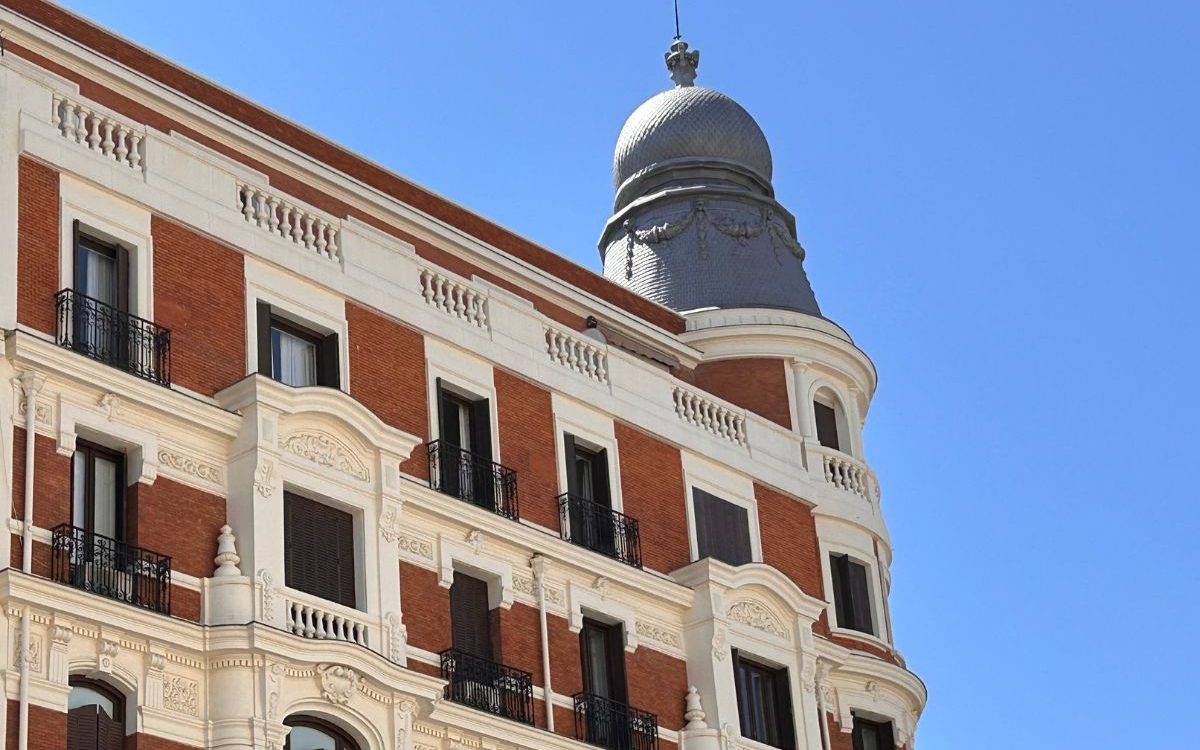
This is due to the quality and variety of Madrid's central architectural landscape. Late 19th-century buildings with stone facades, marble-columned doorways, and stained-glass windows coexist with rationalist constructions from the 1940s and contemporary interventions from the last twenty years. Each building type carries a different weight in the market, and these differences can represent enormous variations in price per square meter within the same street.
For a London buyer, accustomed to a period property in Kensington commanding a moderate premium over a modern building, the impact of the building in Madrid might seem surprising. Here, the building isn't a minor detail: it's a determining factor.
As we detailed in the article about The factors that determine the value of a home in Madrid, The building acts as a structural element of value, not as a simple container.
Context matters more than size.
Another difference that throws many international buyers off: in Madrid, the urban and architectural context carries more weight than the surface area.
We've seen transactions where a smaller apartment in an exceptional building sold for more than a considerably larger one in a worthless building. The difference wasn't in the square footage. It was in everything else: the street, the natural light, the building entrance, the proportions of the rooms, the ceiling height.
In markets like Paris or Milan, size is usually the main driver of price. In Madrid, size is just one more variable—and not always the most important one. Those who understand this have a real advantage when analyzing opportunities.
As we explained in the article about How to decide which property to buy in Madrid, The decision is not based solely on quantitative data, but on how multiple variables fit together in a specific context.
Making good decisions doesn't depend on comparing, but on understanding.
Madrid's prime real estate market shares with other European capitals an interest in prime locations and high-quality homes. But its internal logic is different.
Geographic concentration, the weight of architecture, and the importance of the urban context shape a market that operates according to its own rules. Understanding these rules is not merely an academic matter: it allows for the identification of opportunities that other buyers, trapped within foreign frameworks, fail to see.
This comparison is one of the many elements that make up an international investor's criteria before entering Madrid's prime market. The complete framework is organized as follows: the four pillars of knowledgeHow the market works, which neighborhoods concentrate the value, what types of properties exist, and how to make a good decision before buying.
Related articles