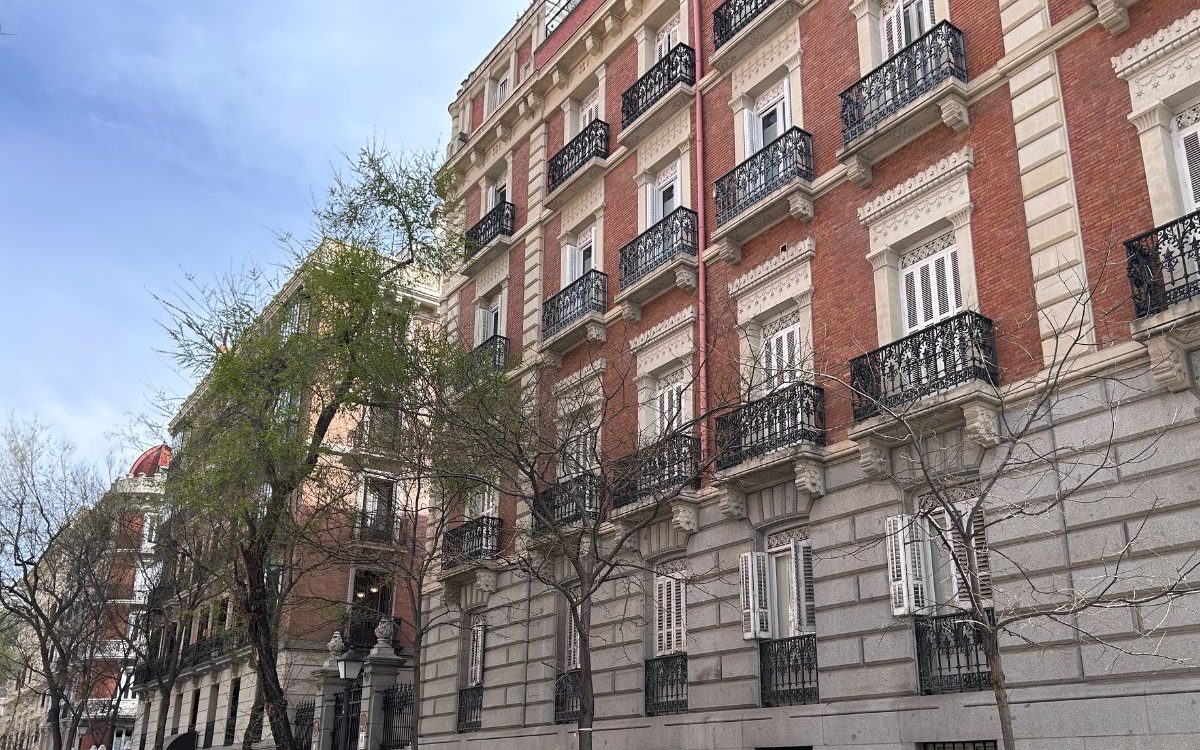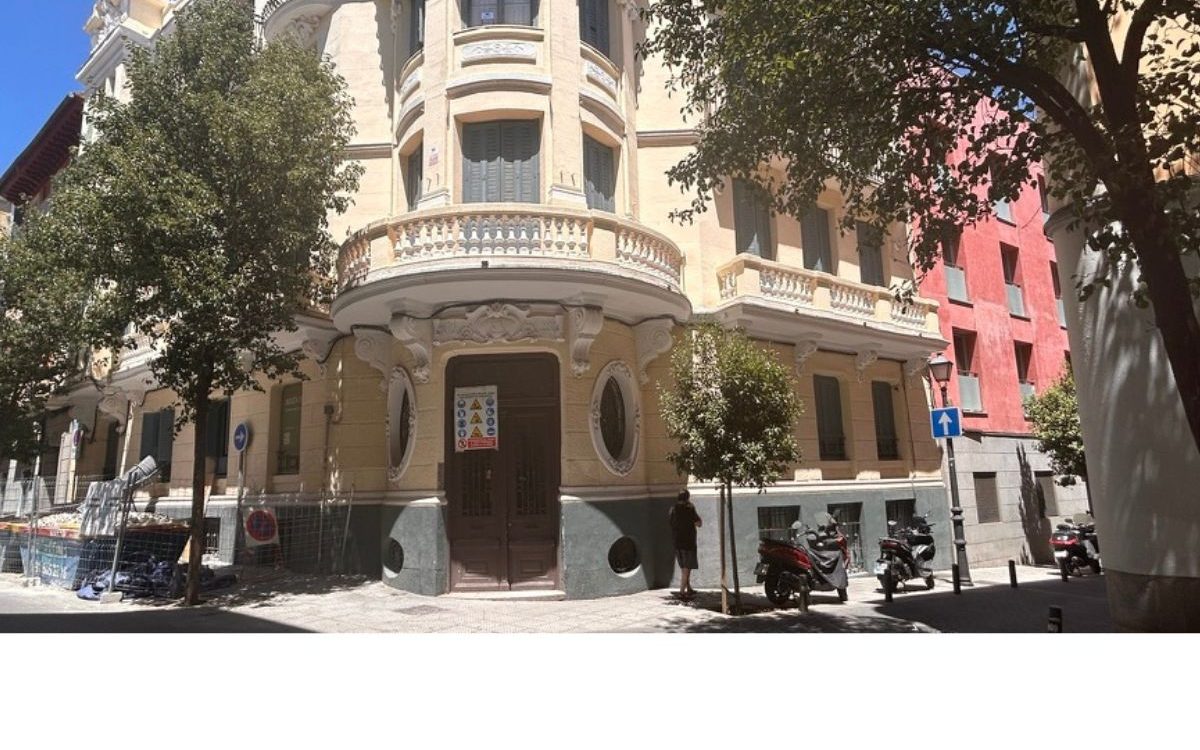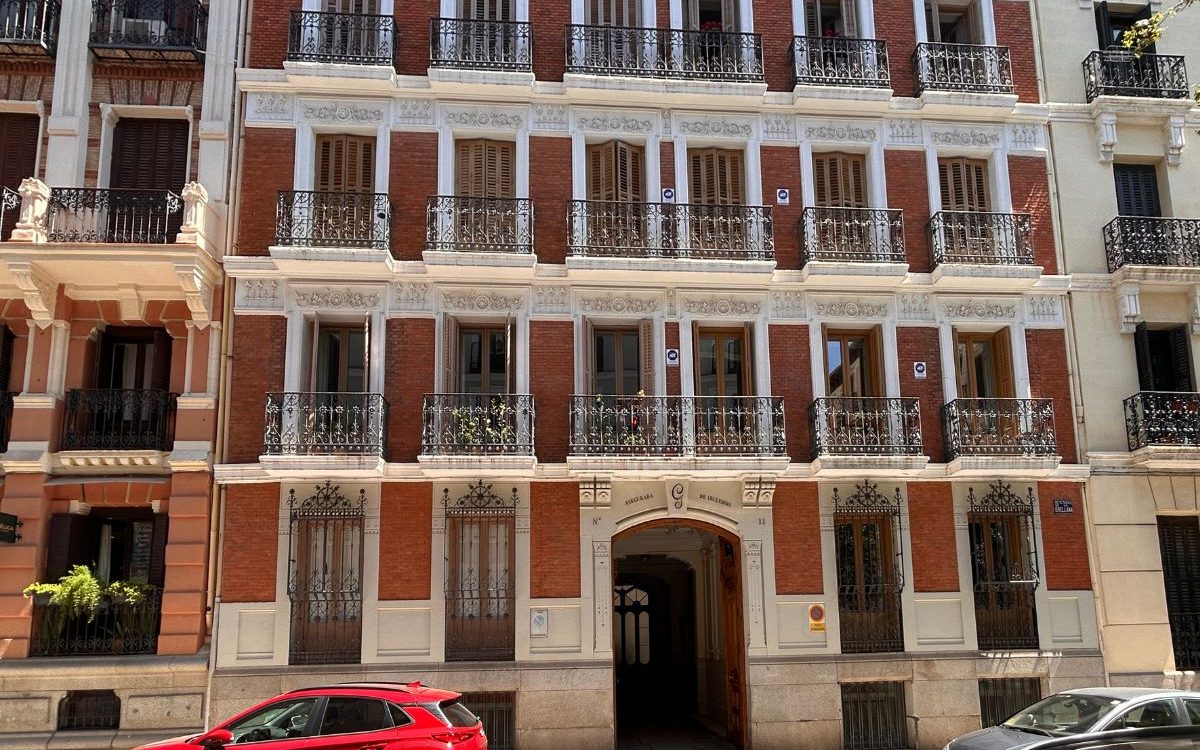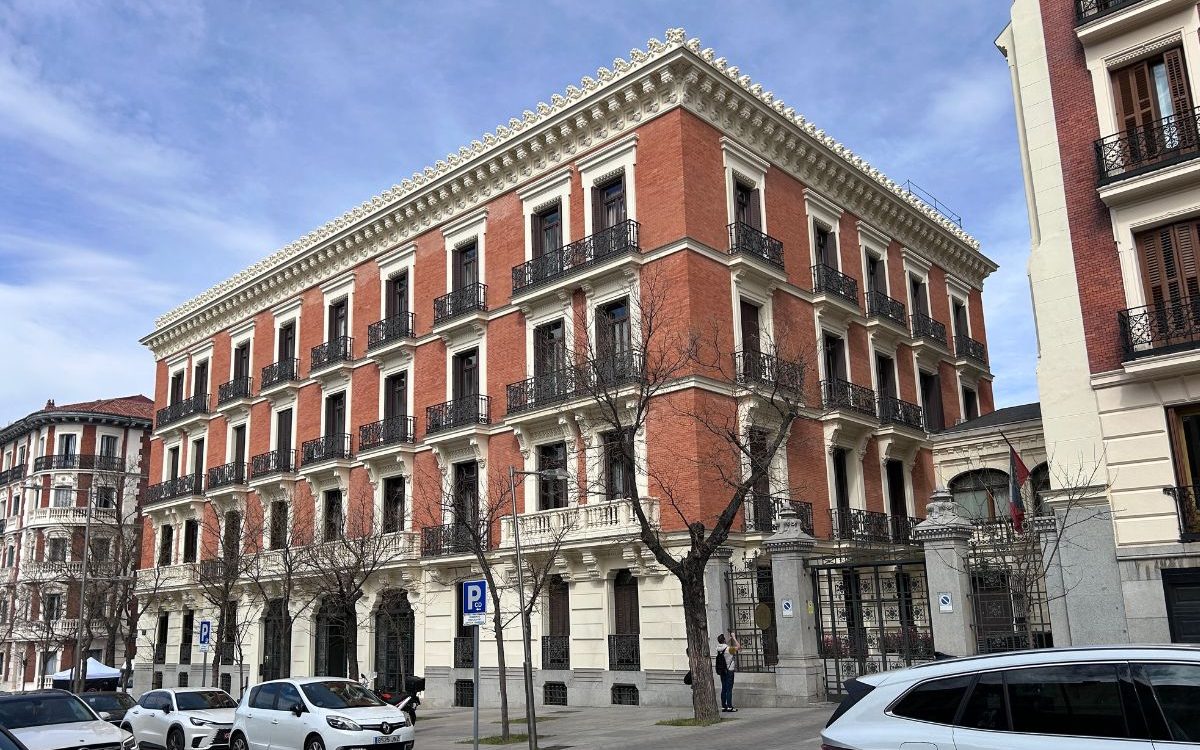

A prime Madrid buying strategy: it's what separates a successful transaction from months of scattered searching. One of the most common mistakes when buying property in Madrid's prime market is starting the search too early. Visiting properties without having previously defined a realistic budget, target areas, or type of property. The result is predictable: months of scattered searching, dozens of unproductive visits, and often, a hasty decision based on no clear criteria.
In our experience, buyers who define their strategy before seeing their first property make better, faster, and less stressful purchases. It's not about being slow; it's about being organized.
Phase 1: The actual budget
The first question isn't 'how much can I spend', but 'how much does it really cost to buy'. The purchase price is only one part of the equation. You also have to add taxes (ITP 6% in Madrid for resale properties, or VAT 10% for new builds), notary and registration fees, and—if the property requires renovations—the full cost of the work.
When this calculation is done rigorously, many buyers discover that their actual purchasing power is between 7 and 101% lower than they had assumed, according to data from national real estate market. And if the budget needs to be reduced by the cost of renovations, the difference widens even further. Understanding this from the outset completely changes the approach to the search.
As we explained in the article about How much does it cost to renovate a home in Madrid?, That calculation is less intuitive than it seems.
Phase 2: The target zone
With the actual budget defined, the next step is to narrow down the area. And here we have to be honest: not everything is possible at the same time. With a given budget, you can optimize location—better street, better neighborhood—at the expense of size, or you can optimize size at the expense of location.
The price difference between high-end and entry-level neighborhoods can exceed 401,000 Pounds per square foot. This means that, with the same budget, you can access properties of very different sizes and character depending on the area chosen. Defining this priority is an essential part of the strategy.
As we discussed in the article on What differentiates neighborhoods like Almagro, Justicia, or Jerónimos?, Each neighborhood offers a way of experiencing the city—and the choice should be consistent with the buyer's lifestyle.
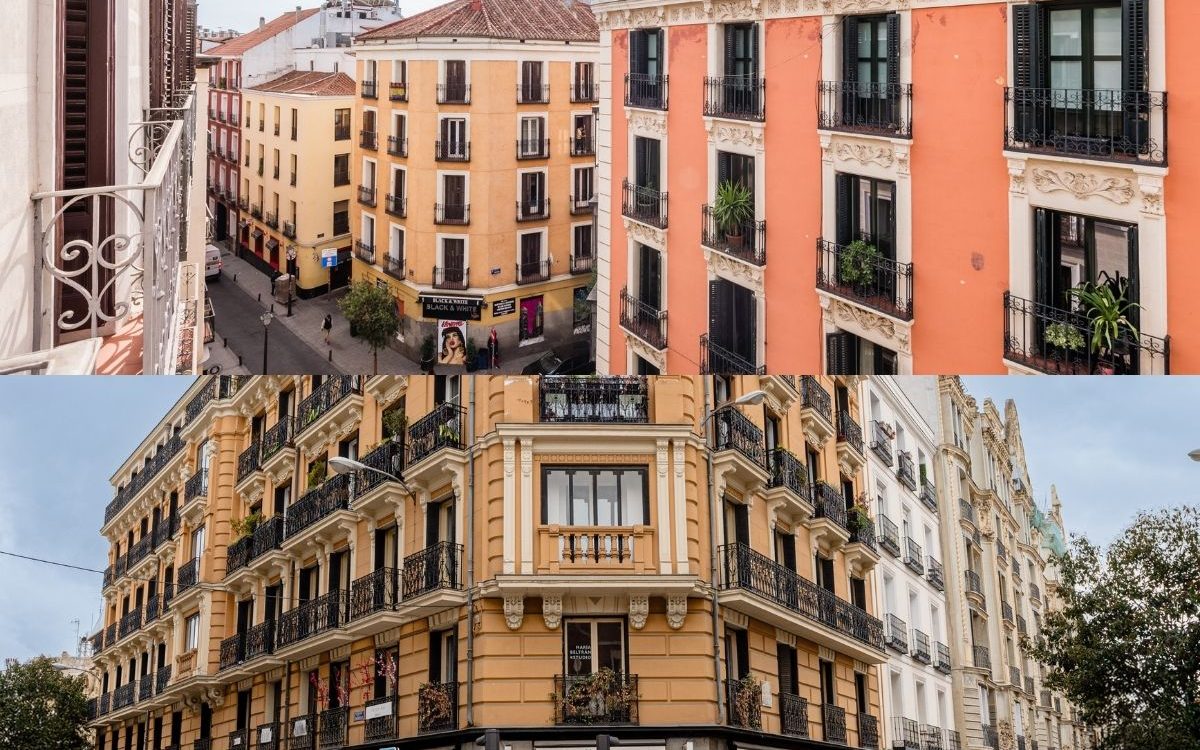
Phase 3: the type of asset
Once the budget and location are defined, you need to decide what type of property you're looking for: renovated and furnished, renovated but unfurnished, or in need of renovation. This decision isn't just about aesthetics; it's strategic and has direct economic implications.
There are neighborhoods where renovations generate a positive net return—where buying to renovate and doing the work well allows you to create value. And there are others—generally the more established ones—where buying a renovated property is the most efficient option. The answer varies from neighborhood to neighborhood, and can only be obtained with real data from each area.
As we explained in the article about how the condition of the property influences its value, This decision can only be made correctly with a specific analysis of the target neighborhood.
Phase 4: Execute with sound judgment
With the first three phases defined, the search becomes a focused exercise. Instead of visiting thirty properties, you visit six or seven that truly fit the strategy. Instead of comparing incomparable assets, you evaluate options within the same segment. Decisions are made faster, with more confidence, and with a higher probability of success.
Buyers who enter the market without a strategy often take months to find something—and are frequently dissatisfied with the outcome. Those who define their strategy first typically close within weeks.
Madrid prime buying strategy: decide, don't seek perfection
There is no such thing as a perfect asset. In Madrid's prime market, buying well means accepting that some variables will fall short of the ideal: perhaps the street is secondary but the building is exceptional, or the floor space is somewhat smaller but the micro-location is priceless. The key is knowing which trade-offs make sense within the defined strategy—and which don't.
This type of market reading —real budget, calibrated zone, data-driven asset type, focused execution— is what makes the difference between an informed decision and one based on general impressions.
A solid Madrid prime real estate buying strategy is the final criterion an international investor needs before entering this market. The complete framework is organized as follows: the four pillars of knowledgeHow the market works, which neighborhoods concentrate the value, what types of properties exist, and how to make a good decision before buying.
Related articles
What mistakes do international buyers make in Madrid's prime market?
Seguir leyendo
What factors determine the value of a super-prime asset in Madrid
Seguir leyendo
Types of properties in Madrid's prime market: what you're really buying
Seguir leyendo