
The relationship between property size and price per square meter in prime Madrid doesn't work the same way as in other markets. In most real estate markets, there's an implicit rule: the larger the property, the lower the price per square meter. The logic is simple: there's more demand for smaller apartments, they're more affordable, and they sell faster. But in Madrid's prime market, this rule only partially holds true. And in the high-end segment, it's completely reversed.
To understand why, you have to look at the supply: there aren't many large, good properties in the center of Madrid. And the buyers looking for them are willing to pay for them.
Prime market surfaces: what we observe
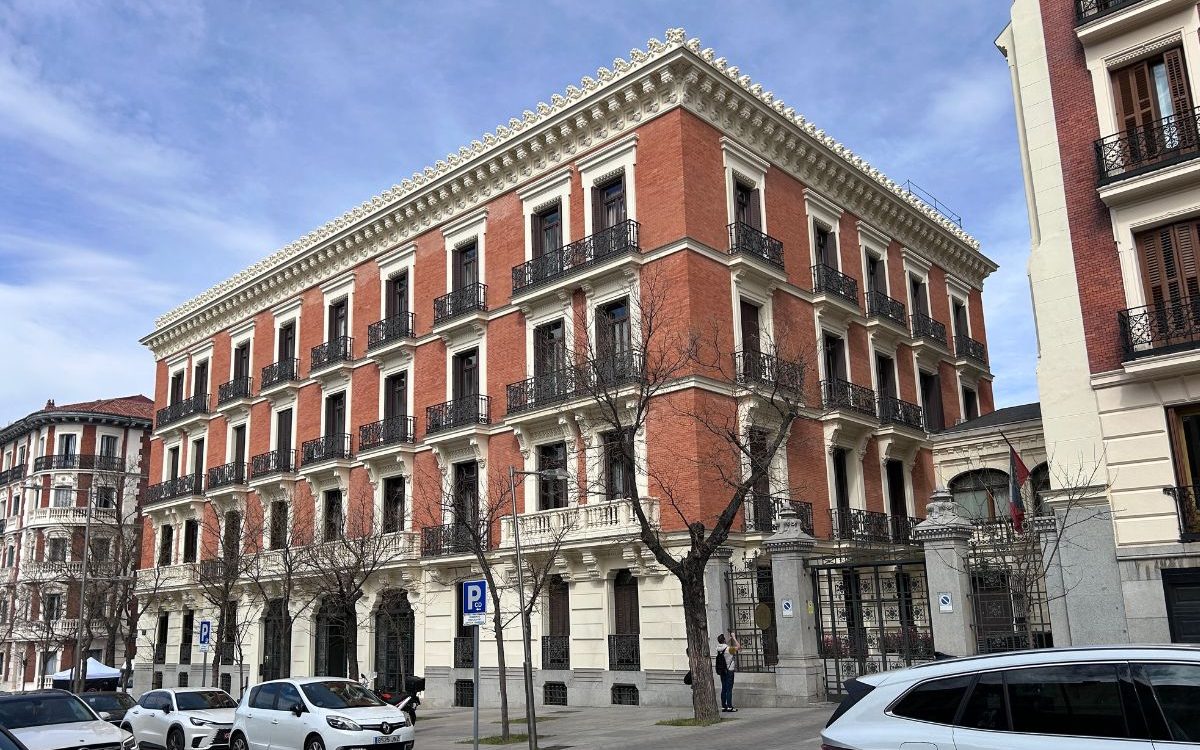
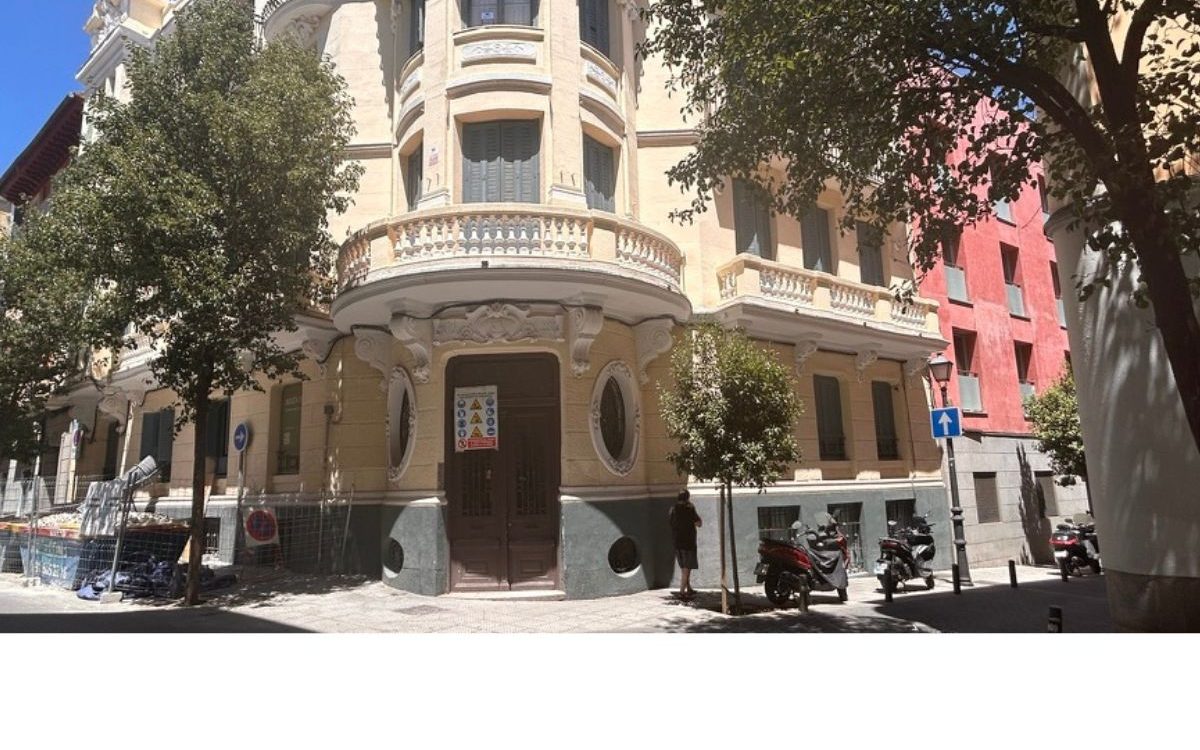
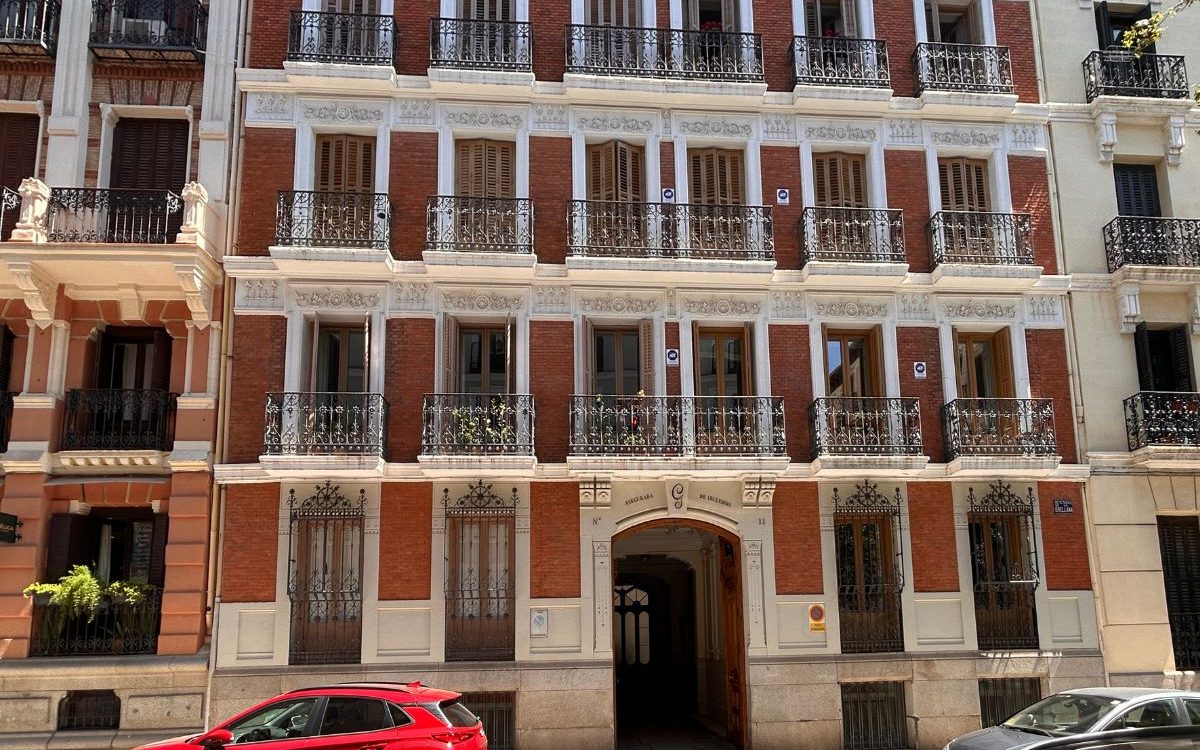
The average size of properties marketed in the prime segment varies significantly by neighborhood, and this variation is not accidental: it reflects the dominant architectural style in each area. Stately homes in Almagro produce properties ranging from 200 to 400 square meters. Renovated buildings in Justicia tend to have smaller sizes, between 80 and 250 square meters. And in Jerónimos, representative residences range from 300 to 600 square meters.
This distribution directly influences how the price per square meter behaves in each area.
Bigger isn't always cheaper per meter
In the upper prime and super-prime segments, the phenomenon is reversed: large, well-located, and well-designed properties can maintain—and even exceed—the price per square meter of smaller properties in the same neighborhood. The reason is scarcity combined with demand: finding 300 or more square meters in a classic, prime building is rare. When such a property appears, the market quickly absorbs it.
In neighborhoods like Jerónimos, where the most representative properties are the largest in the entire prime market, prices per square meter also reach the highest levels. Size hasn't driven down prices. On the contrary, it has sustained them, because buyers in that area are looking for exactly that—a residence, not an apartment—and there are very few properties that meet that demand.

When size does reduce the price
Not all large properties command high prices. For size to support or boost the price per square meter, the right combination is needed: an exceptional location, a quality building, a good layout, and a condition consistent with the market.
A 400 m² property in a mediocre building does not benefit from the scarcity effect. On the contrary: excessive surface area in a worthless container becomes a problem, because the high-end buyer doesn't consider it and the mid-range buyer can't afford it.
Tax implications of size
The size of the asset also has direct tax implications that the international buyer should be aware of. The Property Transfer Tax (ITP) in Madrid is 61% of the purchase price for resale properties. For an asset worth several million euros, this represents a considerable sum. non-residents, The IRNR withholding (3% on the sale price) is applied to the future transfer, and the municipal capital gains tax is calculated on the cadastral value of the land, which in large assets in prime areas is proportionally high.
These costs are not insignificant. In high-end transactions, acquisition-related expenses can amount to hundreds of thousands of euros. Including them in the analysis from the outset is essential.
Size is a positioning variable, not just a cost variable.
In Madrid's prime market, size defines the type of asset, the target buyer profile, and its relative scarcity. It's not a question of 'more square footage for less money.' It's a question of what kind of product that square footage represents and what market demands it.
As we explained in the article about How to interpret the price per square meter in Madrid, The data only makes sense when you understand what's behind it.
Understanding how property size influences price per square meter in prime Madrid is just one aspect of the criteria an international investor needs before entering this market. The complete framework is organized as follows: the four pillars of knowledgeHow the market works, which neighborhoods concentrate the value, what types of properties exist, and how to make a good decision before buying.
Related articles
How to interpret the prime Madrid real estate map
Seguir leyendo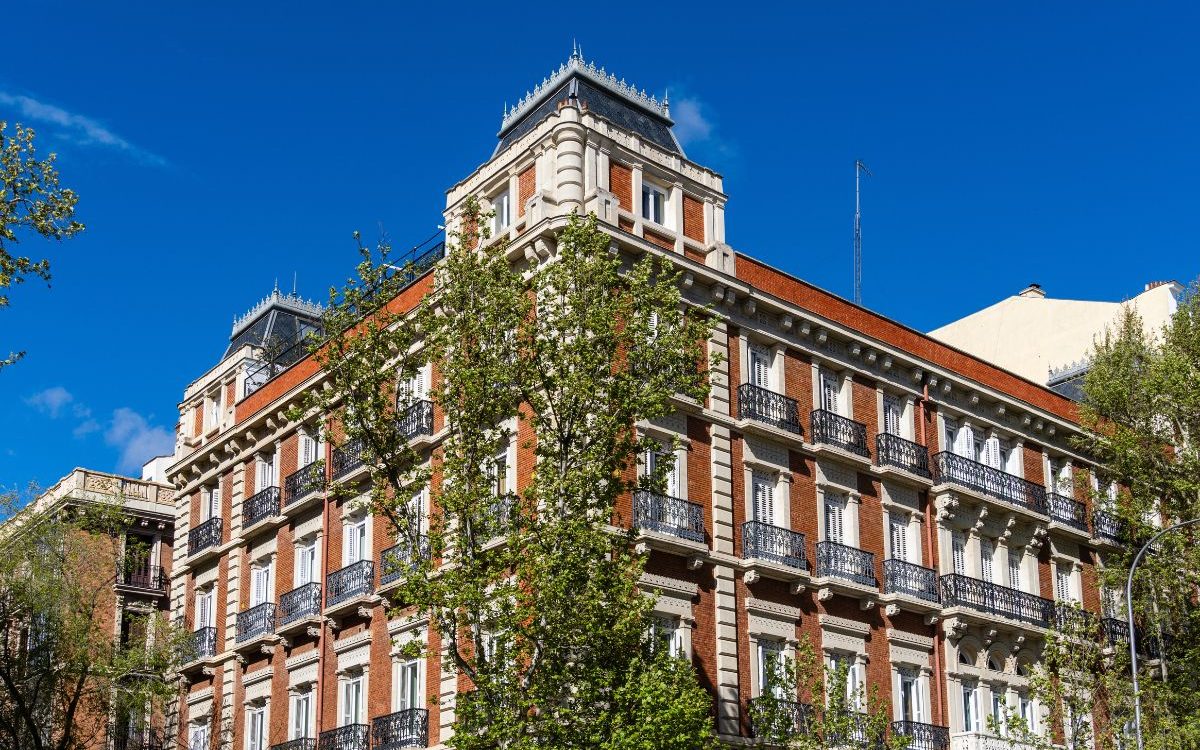
What factors determine the value of a super-prime asset in Madrid
Seguir leyendo
Why two prime properties in Madrid can have very different prices
Seguir leyendo