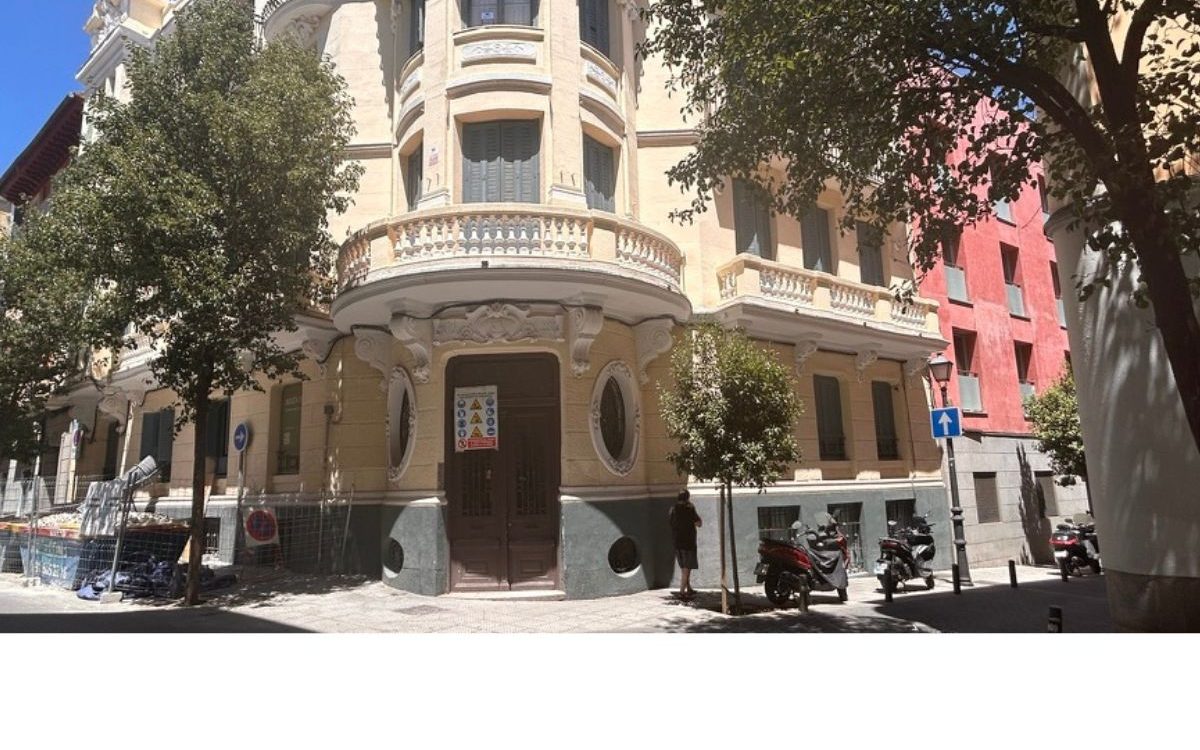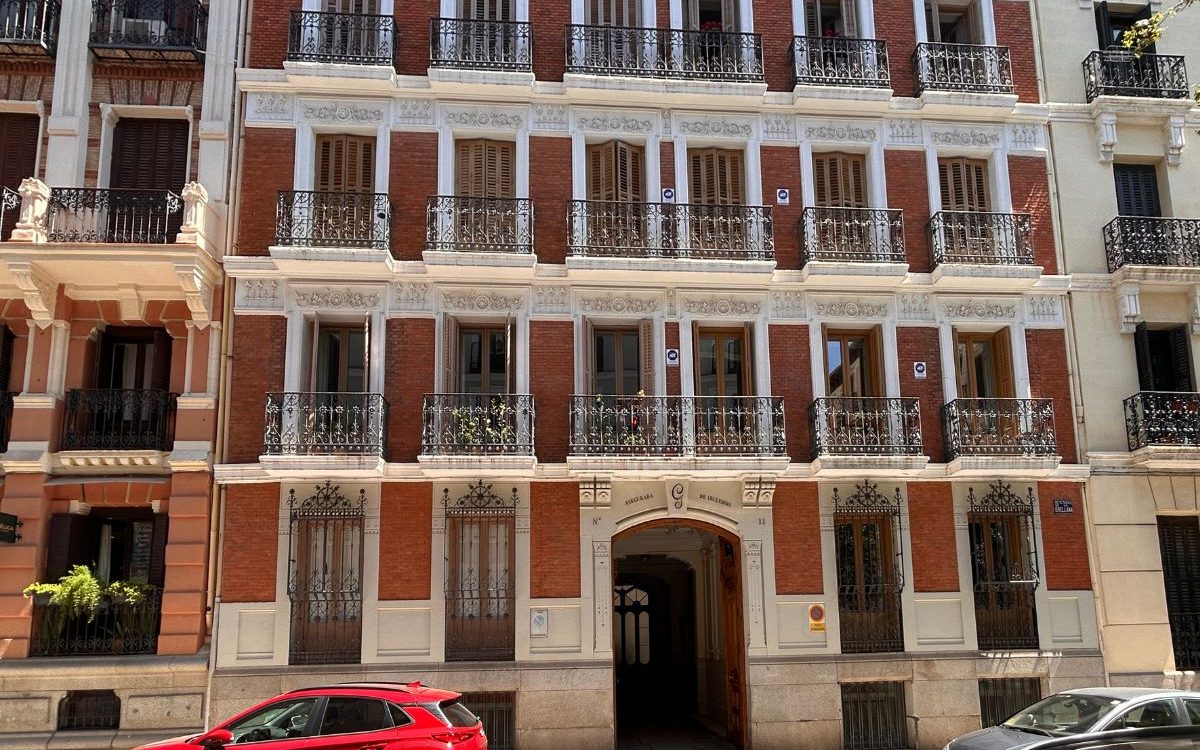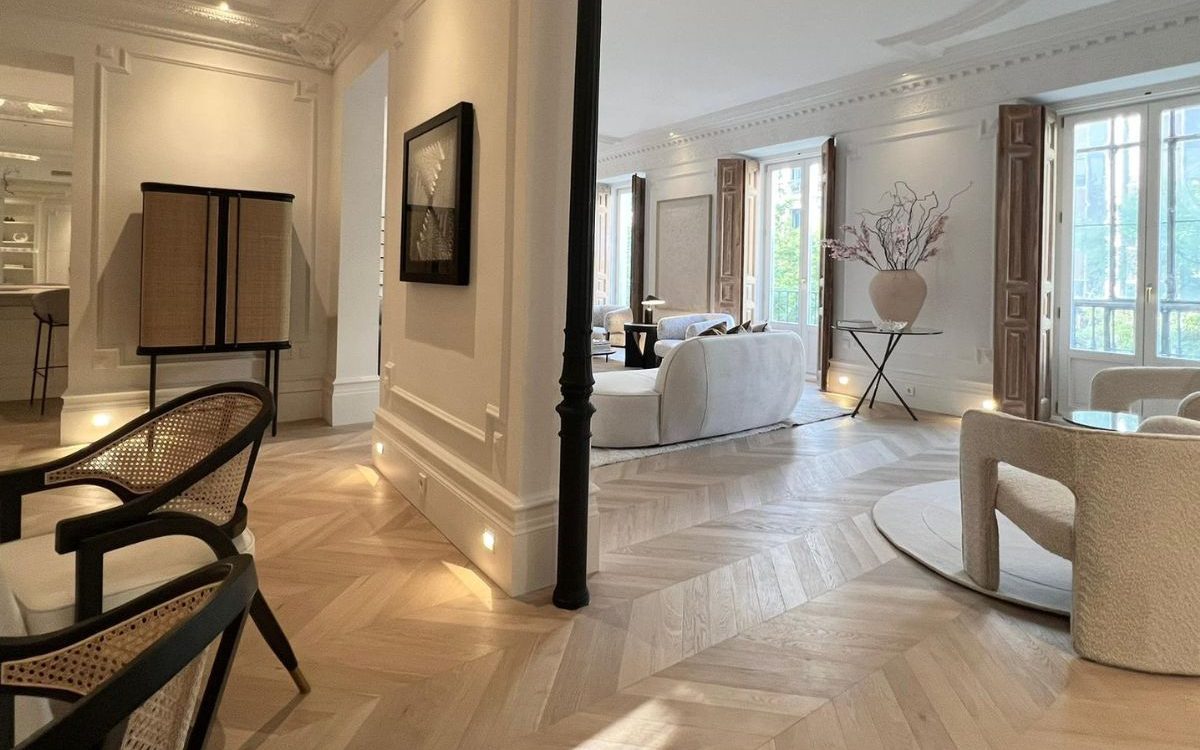

The cost of renovating a prime Madrid property is probably the most frequent question we receive: "How much will the renovation cost?" And it's also the question that's hardest answered when people search online. The generic estimates circulating on renovation websites have nothing to do with the reality of the prime segment. They're price ranges designed for a different market, a different level of quality, and a different set of requirements.
In Madrid's prime real estate market, renovation costs aren't a single figure. They depend on the neighborhood, the desired quality, the building's characteristics, and whether or not the buyer understands what they're paying for. And the difference between understanding and not understanding can amount to tens of thousands of euros.

The cost of renovations varies by neighborhood
One of the most surprising aspects for those approaching the prime real estate market for the first time is that the reasonable cost of renovations isn't the same in every neighborhood. Each area's market demands a different level of quality, and renovating below that standard means the investment isn't reflected in the sale price.
In the most exclusive neighborhoods—where buyers demand top-quality finishes, imported materials, and cutting-edge technology—the cost per square meter of usable space is substantially higher than in neighborhoods where a good standard can be achieved with more modest budgets. The difference between the most demanding and least demanding neighborhoods in the prime market can exceed 501,000.
And there's an additional nuance: every neighborhood has a ceiling. Investing more than the market in that area supports is overinvestment—money that won't be recovered. That ceiling isn't the same in Recoletos as it is in Malasaña, and knowing it before budgeting is essential.
The real bill: what no one anticipates
The cost per square meter of usable space is just the starting point. The actual bill includes multiple items that many buyers don't anticipate: contingency fees for the construction (because there are always unforeseen events, especially during periods of economic stress). construction sector costs), VAT on work and contingency, architect's fees (mandatory in comprehensive renovations), VAT on those fees, municipal license and, where applicable, appraisal.
When everything is added up, the total cost can be more than a third of the base price of the project. In other words, if you think of the project as 100%, the actual bill will be closer to 140%. This multiplier is fairly consistent and must always be kept in mind before making any calculations.
The square meter that matters: usable, not built
A critical detail that many overlook: renovation costs are calculated based on usable square meters, not built area. And the difference between these two areas varies enormously depending on the type of building and the neighborhood.
In stately buildings with spacious entrances and generous common areas, the usable floor space can be considerably less than the total built area. In more modern and energy-efficient buildings, the ratio is better. This difference—which can be fifteen, twenty, or more square meters in a 200 m² apartment—has a direct impact on the renovation budget, which many buyers don't calculate until it's too late.
As we explained in the article on surface types in the prime market of Madrid, using the correct surface in each calculation is essential.
Timelines: How long does a prime renovation take?
The duration of a complete renovation in the prime segment ranges from 6 to 14 months, depending on the complexity of the project, the size of the property, the availability of materials, and the need for special permits. In listed buildings—common in Jerónimos, Recoletos, and Almagro—permits can add an additional 2 to 6 months before work can begin.
This timeframe isn't just a cost in terms of time; it's an opportunity cost. The months the buyer spends on renovations are months in which the property doesn't generate value or provide enjoyment. It's a factor that's rarely quantified but weighs heavily on the decision to buy a renovated property versus one to renovate.
The fact that changes the decision
With all these concepts on the table, the decision to 'renovate or buy renovated' ceases to be emotional and becomes mathematical. But mathematics only works when it's done with the right data: the real cost per square meter in the specific neighborhood, the verified usable area of the particular property, and an honest comparison with the price of already renovated properties in the same area.
Making that calculation using generic estimates from the internet is like navigating with a map of another country. The territory is different, and decisions made based on inaccurate maps often come at a cost.
The real bill: what no one anticipates
The cost per square meter of usable space is just the starting point. The actual bill includes multiple items that many buyers don't anticipate: contingency fees for the construction (because there are always unforeseen events, especially during periods of economic stress). construction sector costs), VAT on work and contingency, architect's fees (mandatory in comprehensive renovations), VAT on those fees, municipal license and, where applicable, appraisal.
When everything is added up, the total cost can be more than a third of the base price of the project. In other words, if you think of the project as 100%, the actual bill will be closer to 140%. This multiplier is fairly consistent and must always be kept in mind before making any calculations.
The square meter that matters: usable, not built
A critical detail that many overlook: renovation costs are calculated based on usable square meters, not built area. And the difference between these two areas varies enormously depending on the type of building and the neighborhood.
In stately buildings with spacious entrances and generous common areas, the usable floor space can be considerably less than the total built area. In more modern and energy-efficient buildings, the ratio is better. This difference—which can be fifteen, twenty, or more square meters in a 200 m² apartment—has a direct impact on the renovation budget, which many buyers don't calculate until it's too late.
As we explained in the article about types of surfaces in the prime market of Madrid, Using the correct surface in each calculation is essential.
Timelines: How long does a prime renovation take?
The duration of a complete renovation in the prime segment ranges from 6 to 14 months, depending on the complexity of the project, the size of the property, the availability of materials, and the need for special permits. In listed buildings—common in Jerónimos, Recoletos, and Almagro—permits can add an additional 2 to 6 months before work can begin.
This timeframe isn't just a cost in terms of time; it's an opportunity cost. The months the buyer spends on renovations are months in which the property doesn't generate value or provide enjoyment. It's a factor that's rarely quantified but weighs heavily on the decision to buy a renovated property versus one to renovate.
The fact that changes the decision
With all these concepts on the table, the decision to 'renovate or buy renovated' ceases to be emotional and becomes mathematical. But mathematics only works when it's done with the right data: the real cost per square meter in the specific neighborhood, the verified usable area of the particular property, and an honest comparison with the price of already renovated properties in the same area.
Making that calculation using generic estimates from the internet is like navigating with a map of another country. The territory is different, and decisions made based on inaccurate maps often come at a cost.
As we discussed in the article on how much to invest in renovation, The relevant question isn't just how much it costs, but how much of that investment is recouped. And the answer varies drastically from one neighborhood to another.
Understanding the cost of renovating prime Madrid properties is just one aspect of the criteria an international investor needs before entering this market. The complete framework is organized as follows: the four pillars of knowledgeHow the market works, which neighborhoods concentrate the value, what types of properties exist, and how to make a good decision before buying.
Related articles
What factors determine the value of a super-prime asset in Madrid
Seguir leyendo
Why two similar homes can have very different prices in Madrid
Seguir leyendo
How the condition of a property influences its value in Madrid's prime market
Seguir leyendo
How to define your buying strategy in the prime market of Madrid
Seguir leyendo© Otto Bayt Real Estate SL All rights reserved.