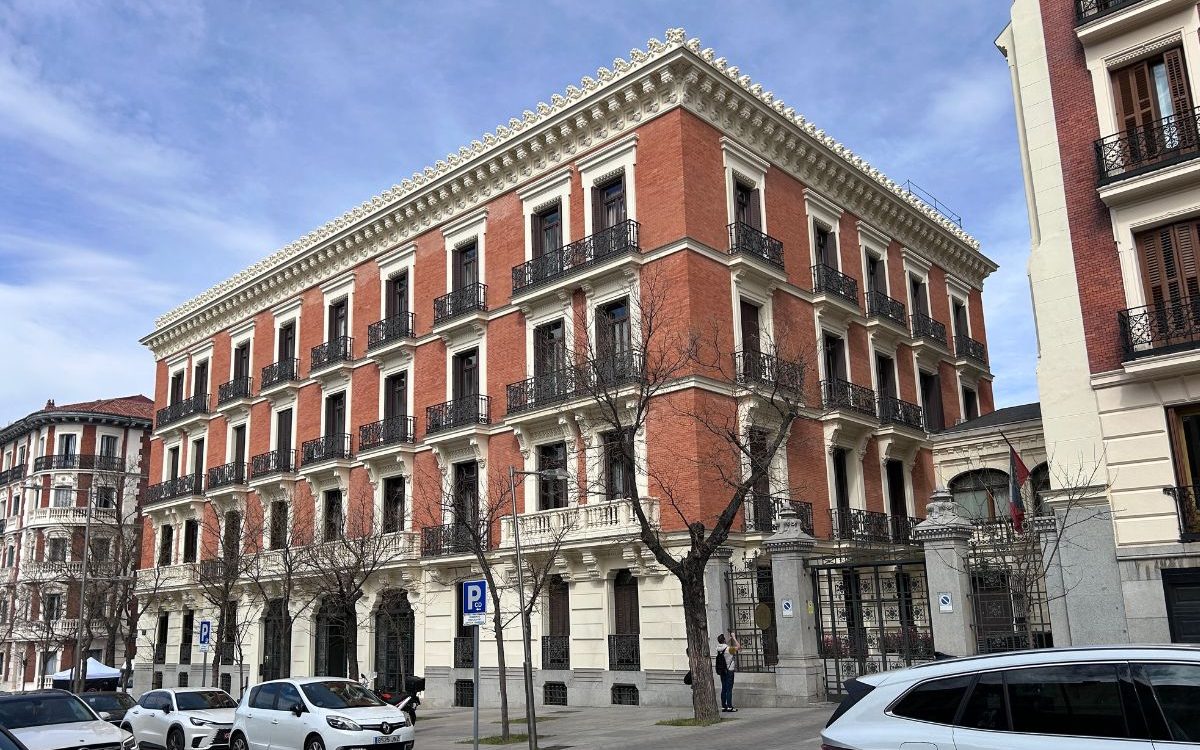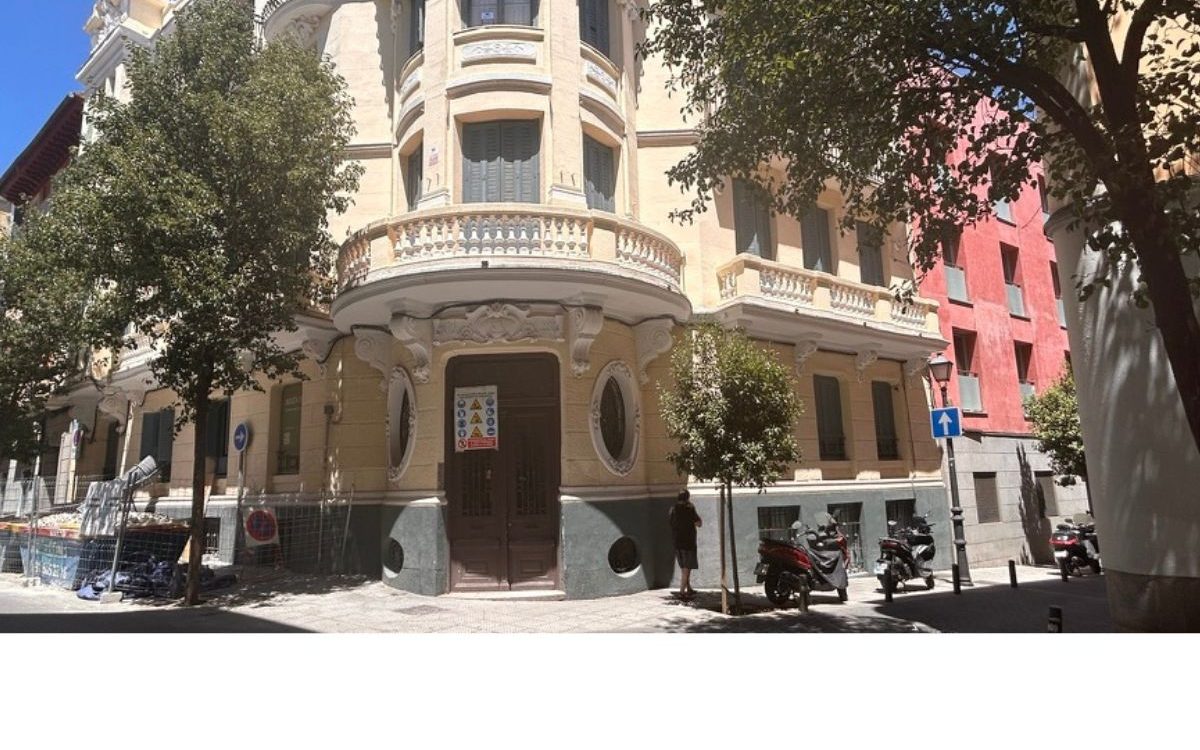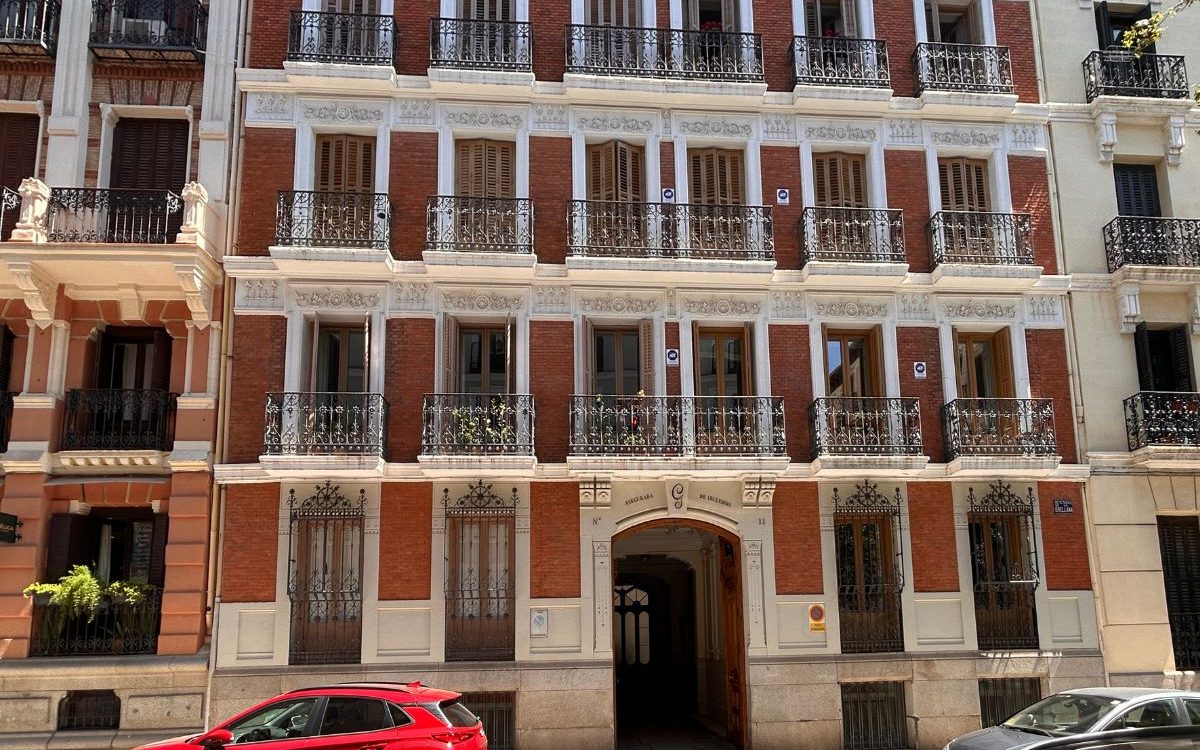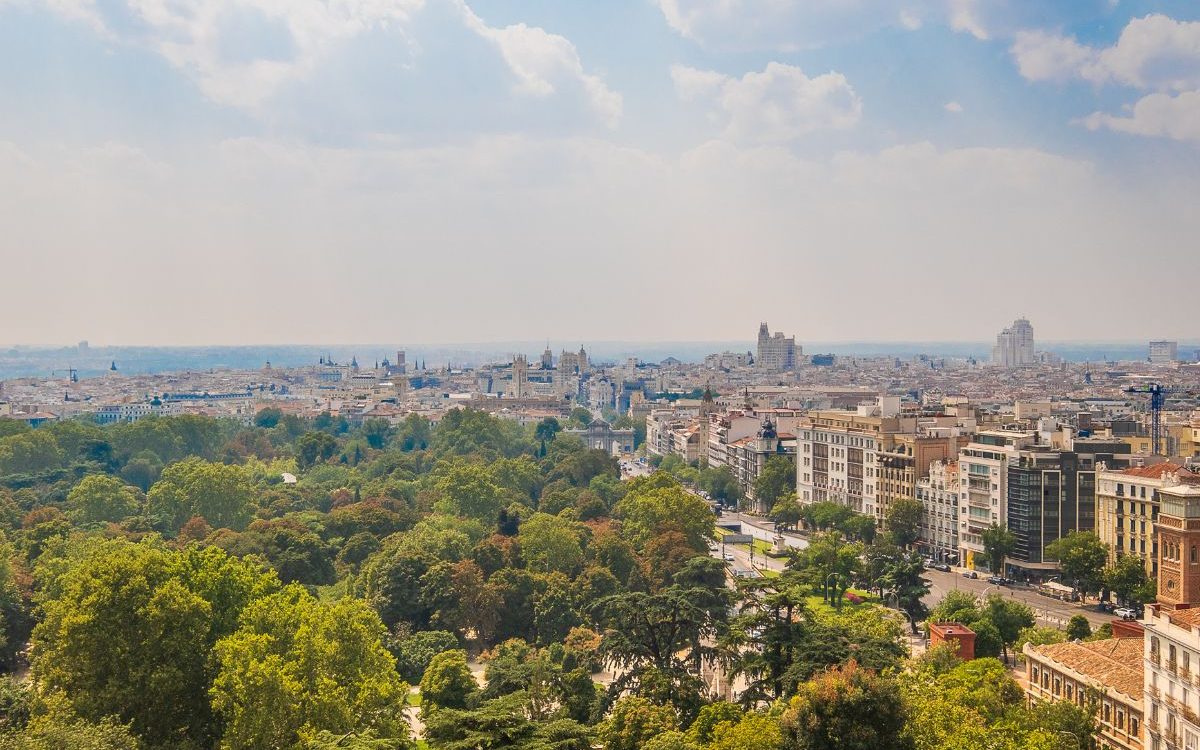
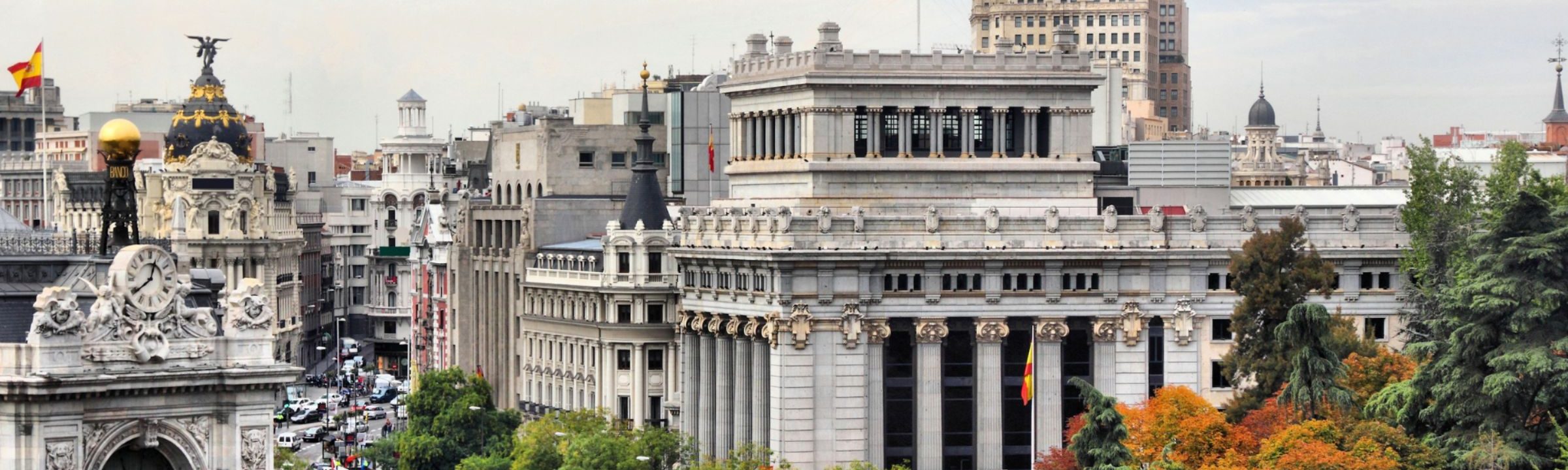
Understanding Madrid's real estate market is the first challenge for any buyer arriving from elsewhere—whether from London, Bogotá, or Munich. It's not about finding homes. It's about understanding the city. Madrid doesn't function as a single market. It's a collection of micro-markets that operate according to their own logic, sometimes separated by just two streets.
We've seen buyers with years of experience in international real estate baffled by the price differences they find in Madrid. Not because they don't know how to read markets, but because they're trying to apply strategies that don't work here.
Interpreting Madrid's real estate market requires a shift in perspective. And that shift begins with understanding three overlapping layers.
First layer: the neighborhood as a general framework
The neighborhood defines the first level of analysis. The fourteen neighborhoods that make up Madrid's prime market operate in different price ranges, attract different buyer profiles, and offer urban experiences that are completely different from one another. The difference between the upper and lower-priced neighborhoods can easily exceed 40%, even when comparing properties in the same condition category.
But the neighborhood is just the setting. Inside it, the differences multiply.
As we explained in the article about Which neighborhoods concentrate Madrid's prime market, Each area has its own identity that influences everything else.
Second layer: the micro-location
The micro-location is where Madrid's market becomes truly granular. Within Recoletos, for example, Villanueva Street has a distinct character from Lagasca Street in its upper section. Both are in the same neighborhood. Both are good streets. But the type of building, the urban scale, and the immediate surroundings differ—and the market reflects this.
In Almagro, Fernando el Santo Street, between Almagro and Zurbarán, boasts some of the neighborhood's most prestigious buildings. Two hundred meters away, other streets offer decent residential properties, but without the same level of prestige. Within the same category in a neighborhood like Almagro, prices can range from reasonable to exceptional, with variations that many buyers don't anticipate.
As we detailed in the article about iconic streets of Madrid's prime market, The street is the final layer of value—and often the most decisive one.
Third layer: consolidated versus emerging
Not all prime real estate areas behave the same way in terms of dynamics. There are established neighborhoods where demand is stable, prices are well-established, and the risk of volatility is low. And there are developing neighborhoods where the dynamics are more active, prices still have room to rise, and the buyer profile is changing.
One indicator that we have observed in our work, compared with data from national real estate market, This is the behavior of the renovation market: in neighborhoods where the gap between properties to be renovated and finished properties is still wide, the market is in a maturing phase. In neighborhoods where that gap has already closed—or even reversed—the market is mature. The difference between these two situations has direct implications for purchasing strategy.
Understanding this distinction between established and emerging is crucial for defining the strategy: are you looking for heritage preservation or potential for revaluation? The answer completely determines where to look.
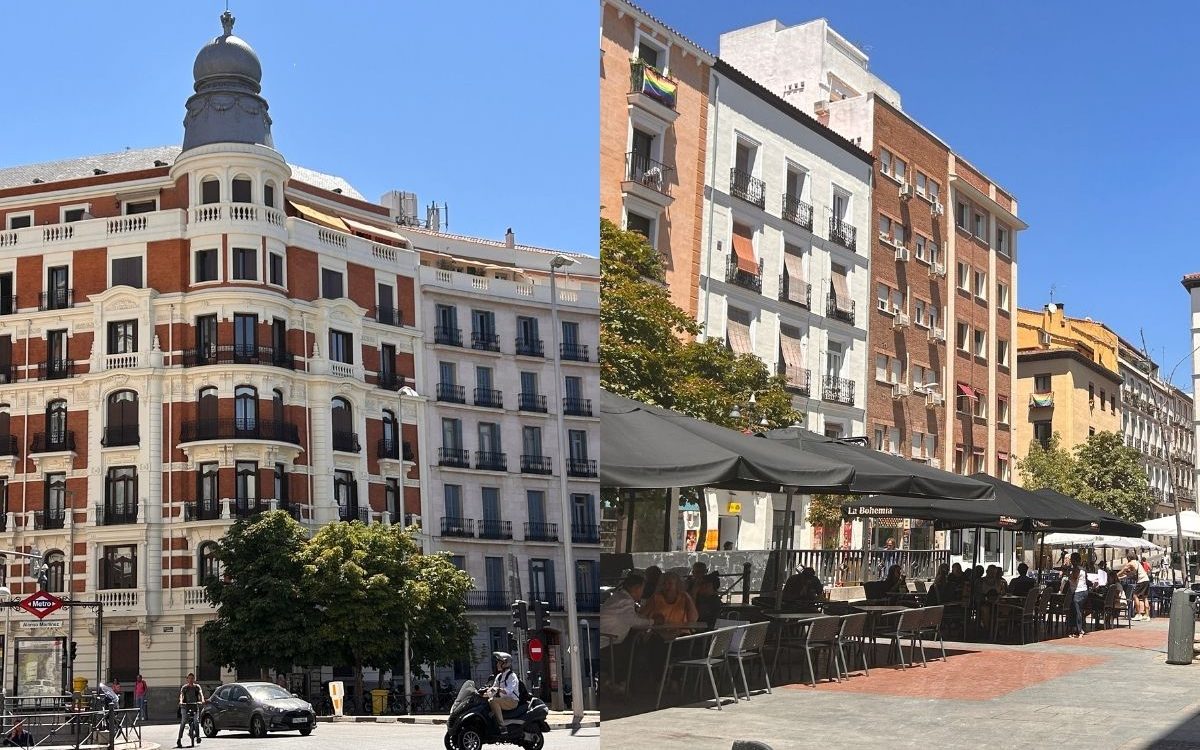
The buyer profile changes depending on the area
Each micro-market attracts a different type of shopper. Almagro and Jerónimos attract institutional buyers, diplomats, and established families seeking permanence. Justicia and Malasaña attract cosmopolitan shoppers, international professionals, and those who want to experience the city from within. Goya and Lista attract a more diverse clientele, from Spanish families to investors seeking liquidity.
This matters because the buyer profile determines future demand, the asset's liquidity, and its medium-term performance. An asset in an area where demand is growing has a different trajectory than one in an area where demand is stable but mature.
Before looking at a property, understand the Madrid real estate market.
Understanding Madrid's real estate market isn't about looking at property listings. It's about understanding the city: its layers, its micro-markets, its dynamics. Those who master this understanding have a real advantage over those who simply compare prices per square meter on a website.
That reading of the market —neighborhood by neighborhood, street by street, property by property— is what makes the difference between an informed decision and one based on general impressions.
Understanding the Madrid real estate market is just one aspect of the criteria an international investor needs before entering this segment. The complete framework is organized as follows: the four pillars of knowledgeHow the market works, which neighborhoods concentrate the value, what types of properties exist, and how to make a good decision before buying.
Related articles
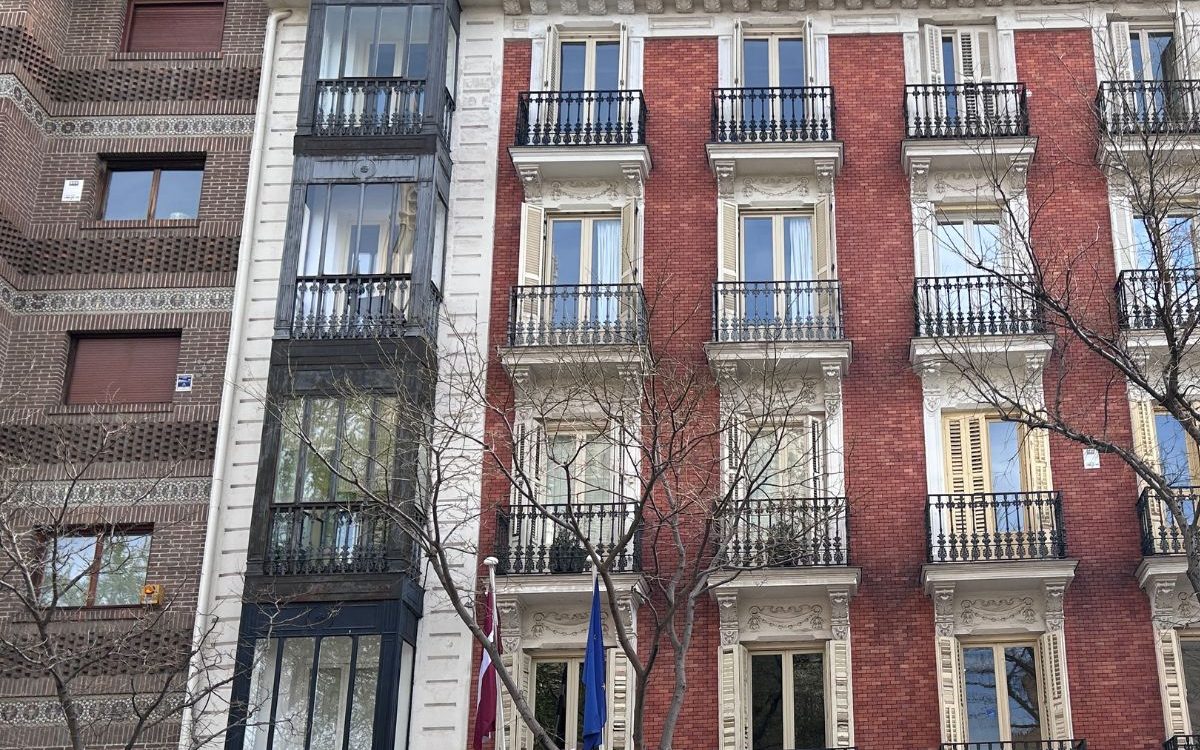
How to compare properties correctly in Madrid's prime market
Seguir leyendo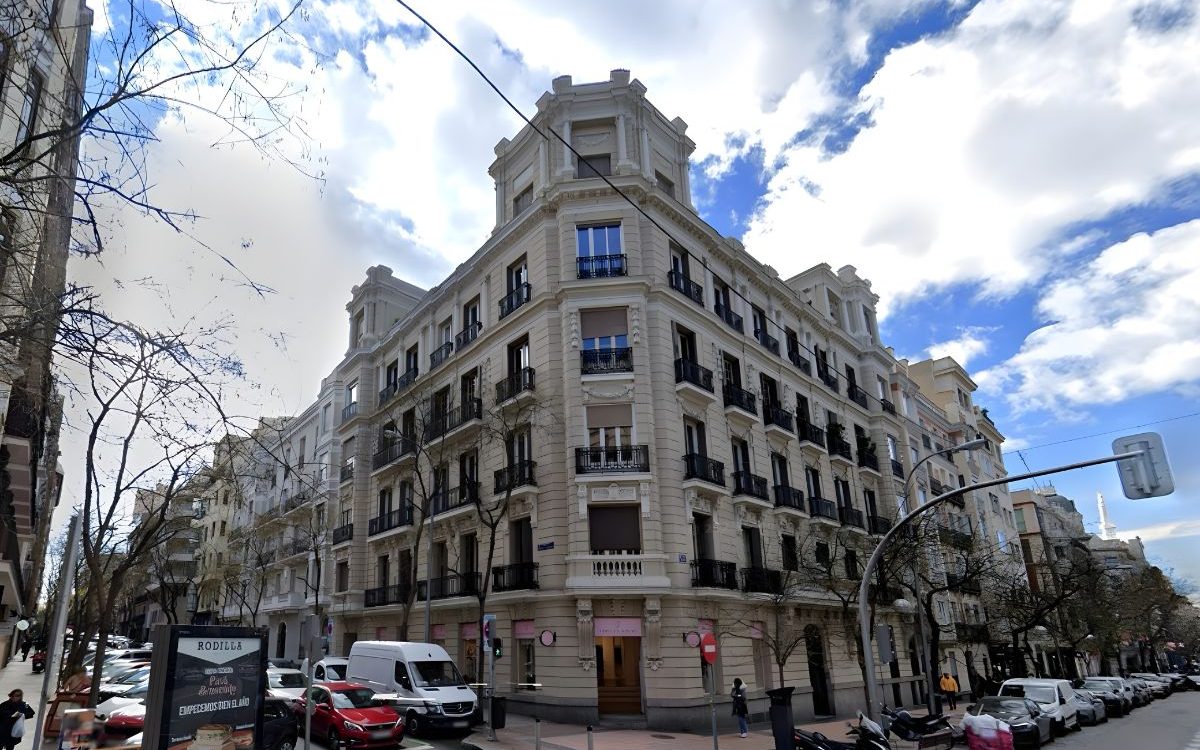
Iconic streets in Madrid's prime market: where the value is concentrated
Seguir leyendo
What factors determine the value of a super-prime asset in Madrid
Seguir leyendo