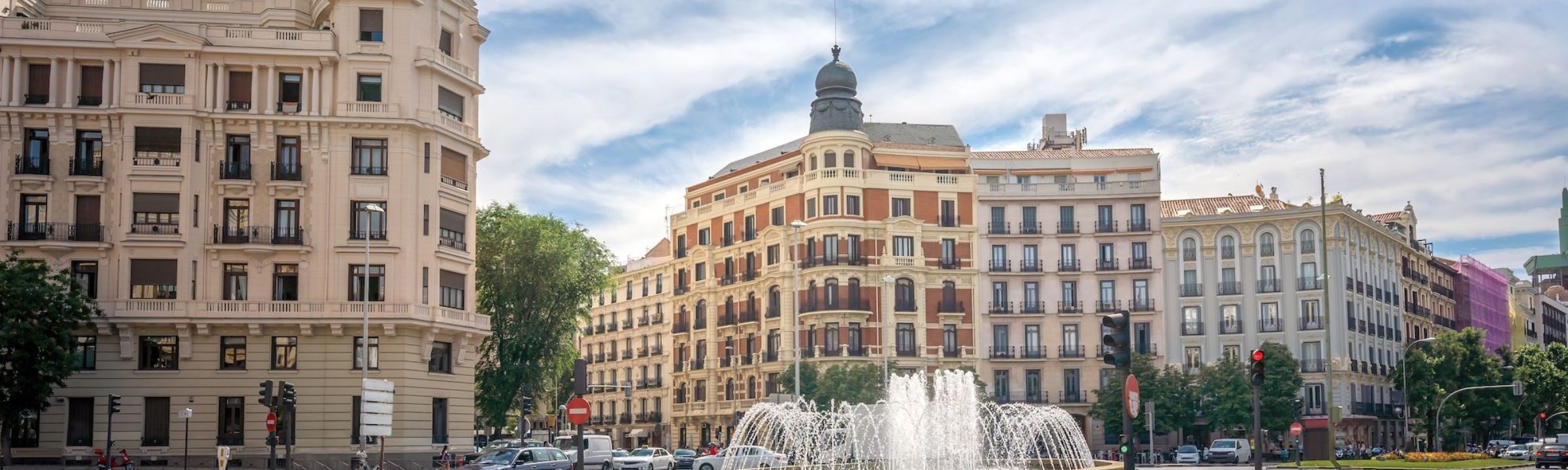
One of the most perplexing aspects for international buyers is that neighborhoods separated by a mere fifteen-minute walk can offer such radically different living experiences. Almagro has little in common with Justicia. Jerónimos is nothing like Malasaña. And these differences are not merely cosmetic: they determine the type of housing available, the price range, the profile of the residents, and ultimately, the purchase decision.
Choosing a neighborhood in Madrid isn't just choosing a location. It's choosing a lifestyle.
As we explained in the article about How to interpret the real estate map of Madrid, Understanding the personality of each neighborhood is the essential preliminary step before analyzing any specific property.
Almagro: understated elegance
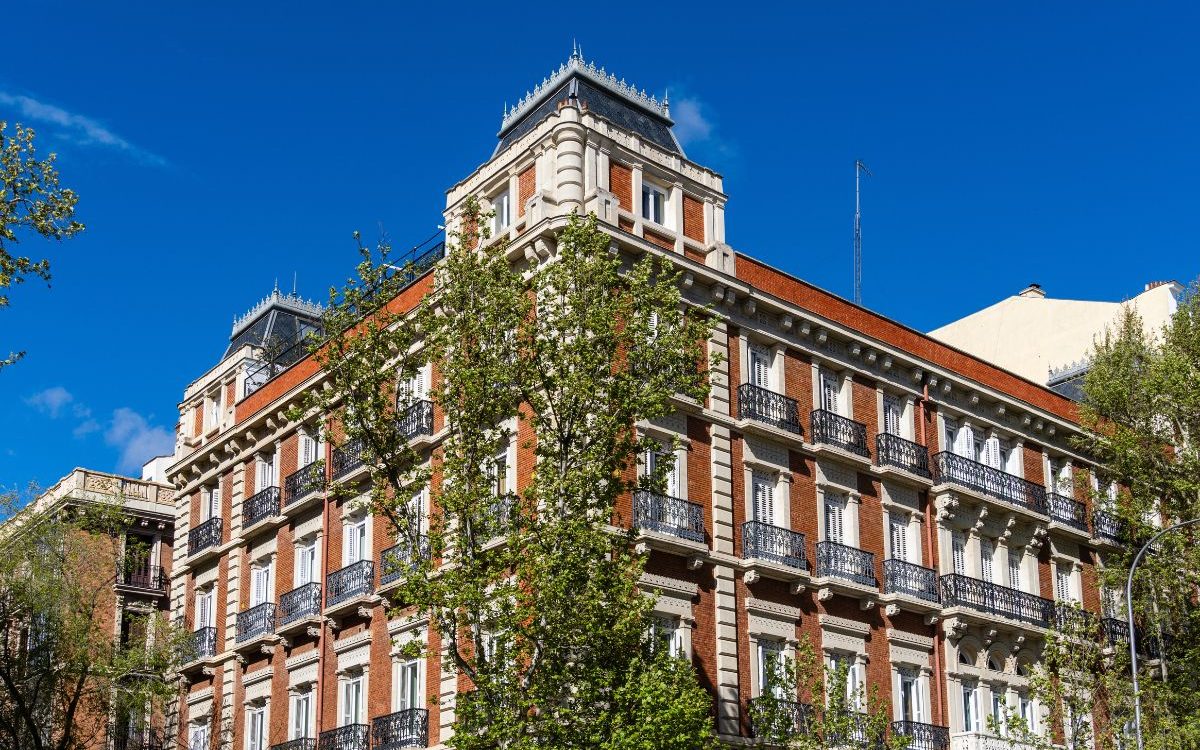
Almagro is probably the neighborhood with the most defined residential identity in Madrid's prime market. Located in the heart of Chamberí, between Paseo de la Castellana and Calle Santa Engracia, it offers a combination of tranquility, stately architecture, and discretion that is hard to find elsewhere in the city.
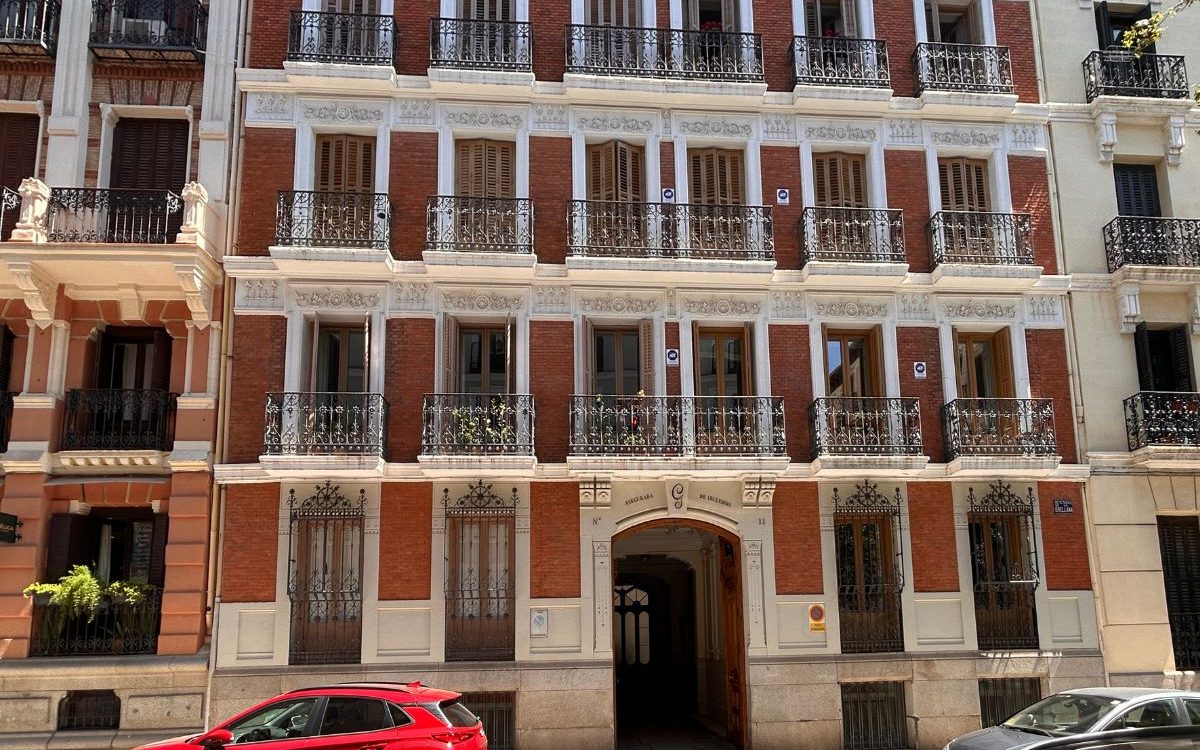
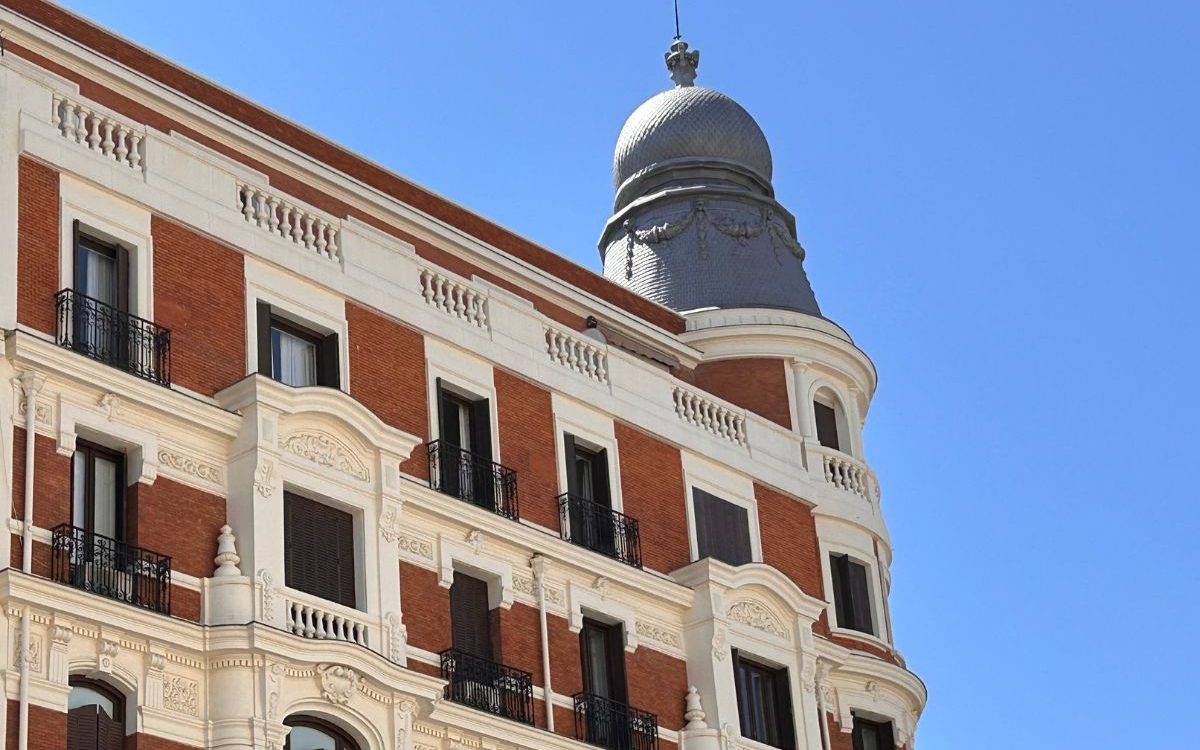
Walking along Almagro Street between Fernando el Santo and Zurbano is an experience that speaks volumes about the appeal of this neighborhood. Doorways with stone columns, exposed brick facades combined with classical elements, balconies with original wrought iron—everything conveys a sense of permanence.
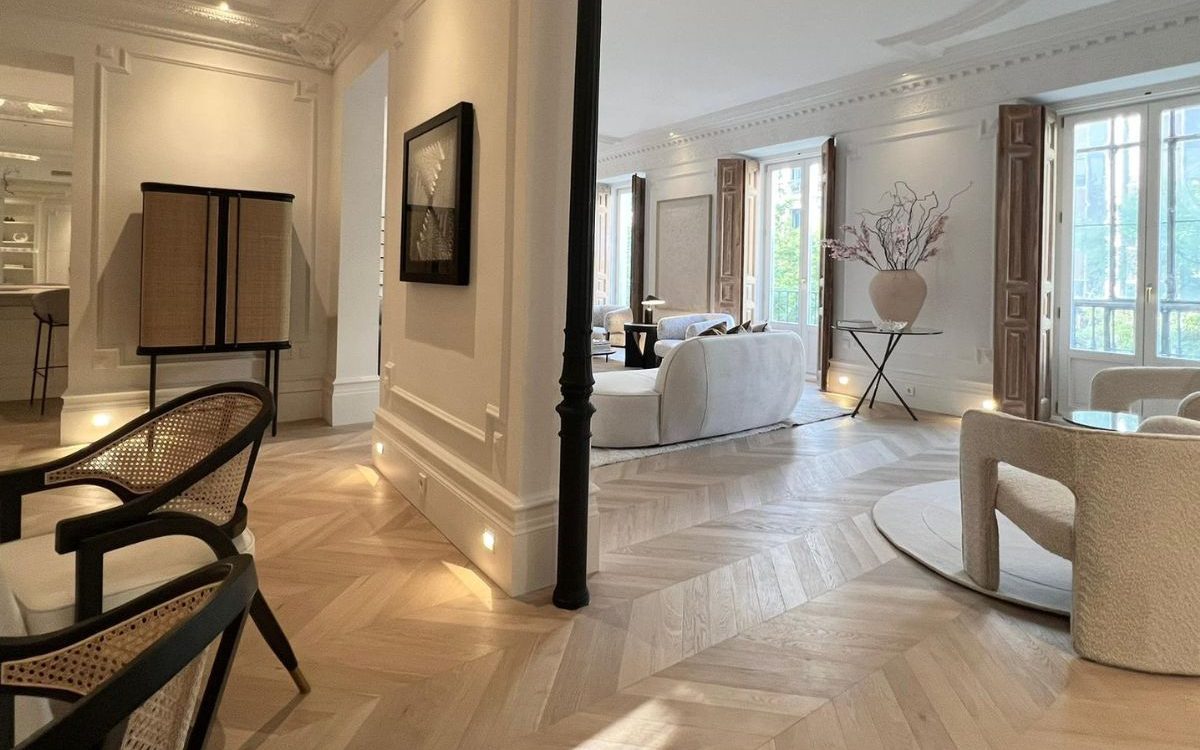
Typical properties in Almagro range from 200 to 400 square meters. They are spacious homes with high ceilings, generous layouts, and, in many cases, original architectural features. But there's a detail that surprises those unfamiliar with these stately homes: the large entrance halls, grand staircases, and ample common areas mean that the actual living space can be considerably less than what's listed on the property's website. This fact—which isn't displayed on any website—significantly alters the investment calculation.
The buyer profile includes diplomats, international executives, and high-net-worth families seeking a stable residence. The neighborhood has an institutional and residential character. There are no noisy terraces or aggressive commercial activity here. Almagro offers the tranquility of those who have nothing to prove.
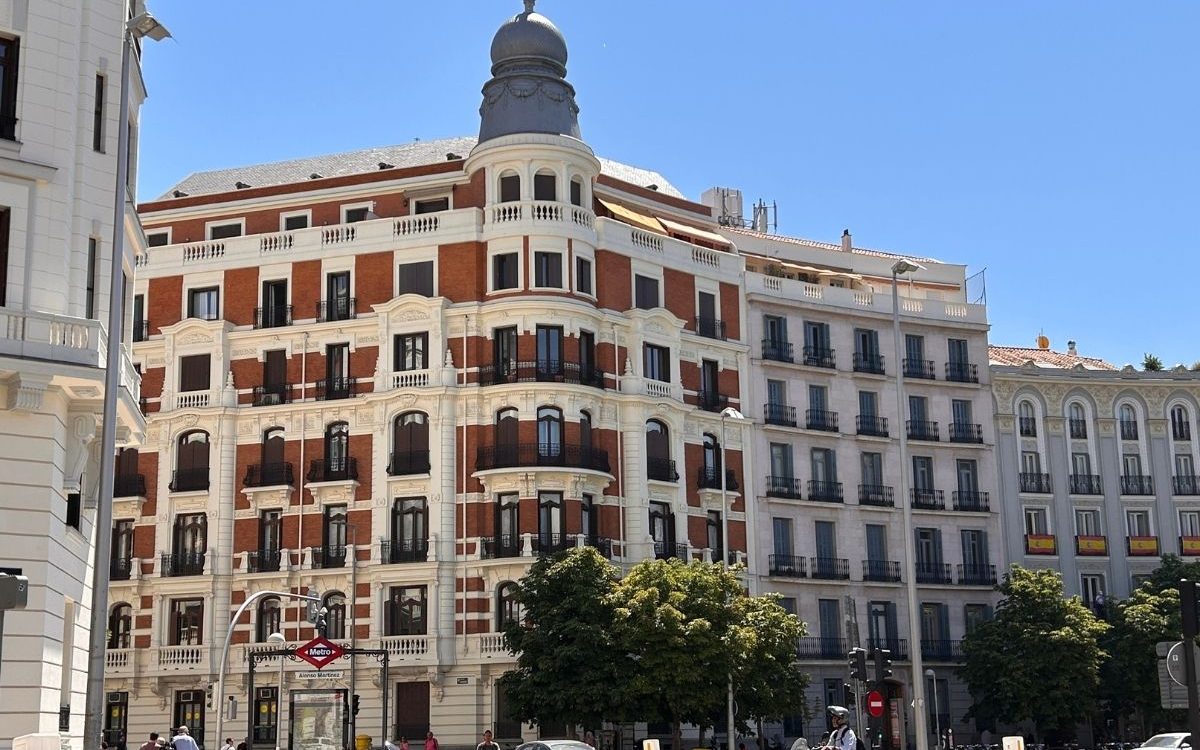
Justice: urban energy with a history
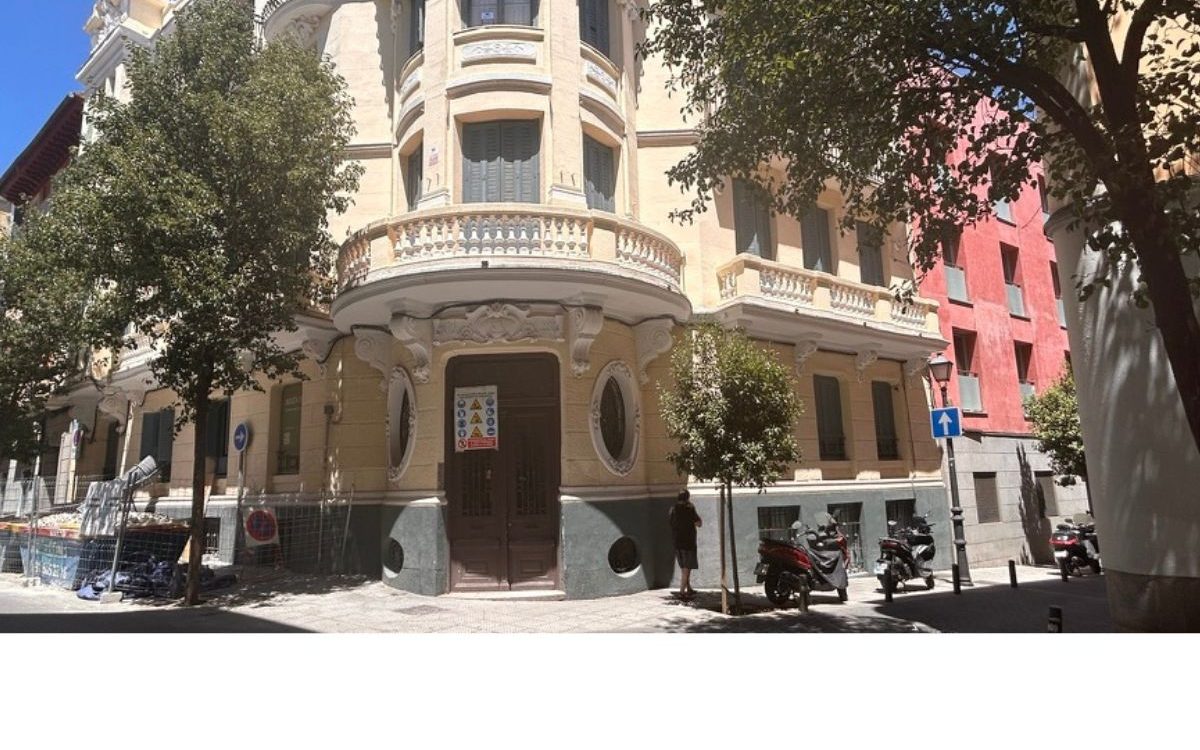
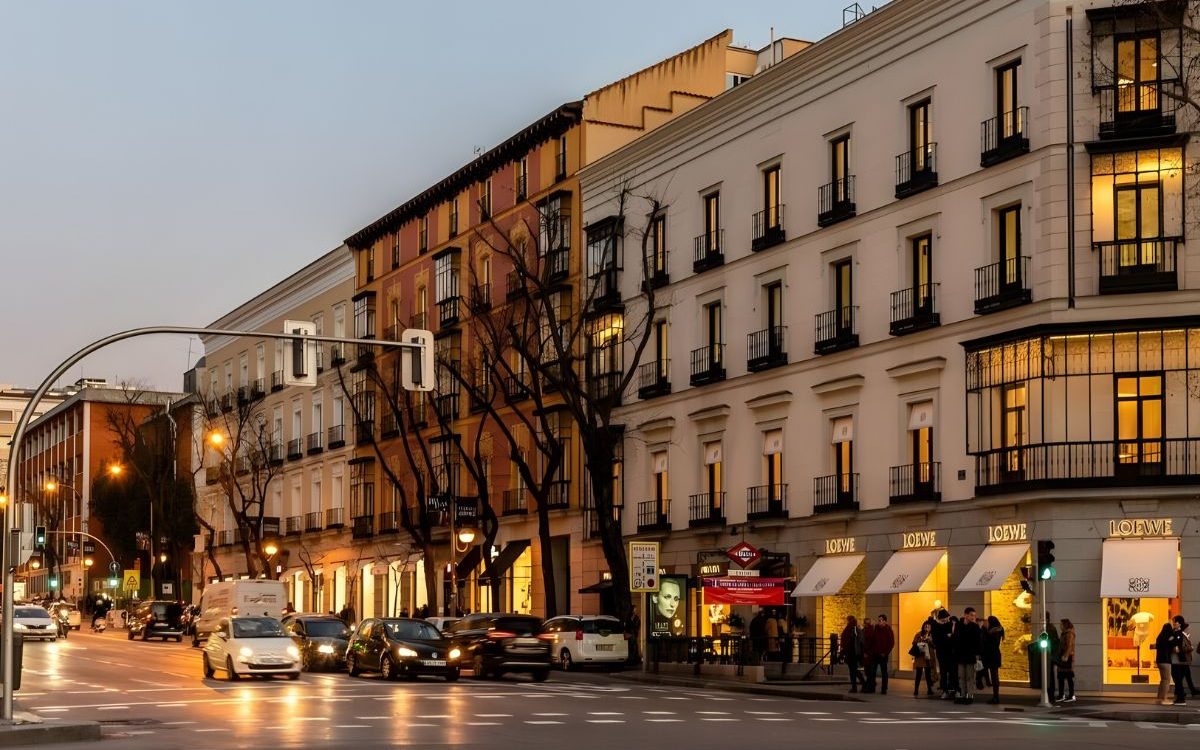
Less than a kilometer from Almagro, the Justicia neighborhood offers a completely different experience. Located between Gran Vía and Calle de Génova, it has undergone a remarkable transformation in the last ten years, establishing itself as one of the most attractive areas in the prime market for a more cosmopolitan and dynamic buyer profile.
The streets of Justicia combine historic architecture—there are notable buildings from the mid-19th century—with a vibrant urban life: contemporary art galleries, restaurants with character, independent shops, and a constant stream of cultural activity. It's the kind of environment that attracts those who want to experience the city, not escape from it.
The real estate market in Justicia tends to favor smaller properties than Almagro, ranging from 80 to 250 square meters. Many buildings have been professionally renovated over the last decade, resulting in a stock of quality, refurbished homes. Prices are a step below those in Salamanca or Almagro, which also attracts investors seeking potential for appreciation. Justicia's performance in recent years has been among the most consistent in the prime market.
On Barquillo Street, in spring afternoons, you understand why this neighborhood is so addictive: the side light that enters through the narrow streets, the murmur of the terraces, the mix of old and new that only works when it is organic.
As we explained in the article about Madrid's prime market versus Europe, This mix of urban uses is one of the characteristics that differentiate Madrid from other European cities, and Justicia is perhaps its most concentrated expression.
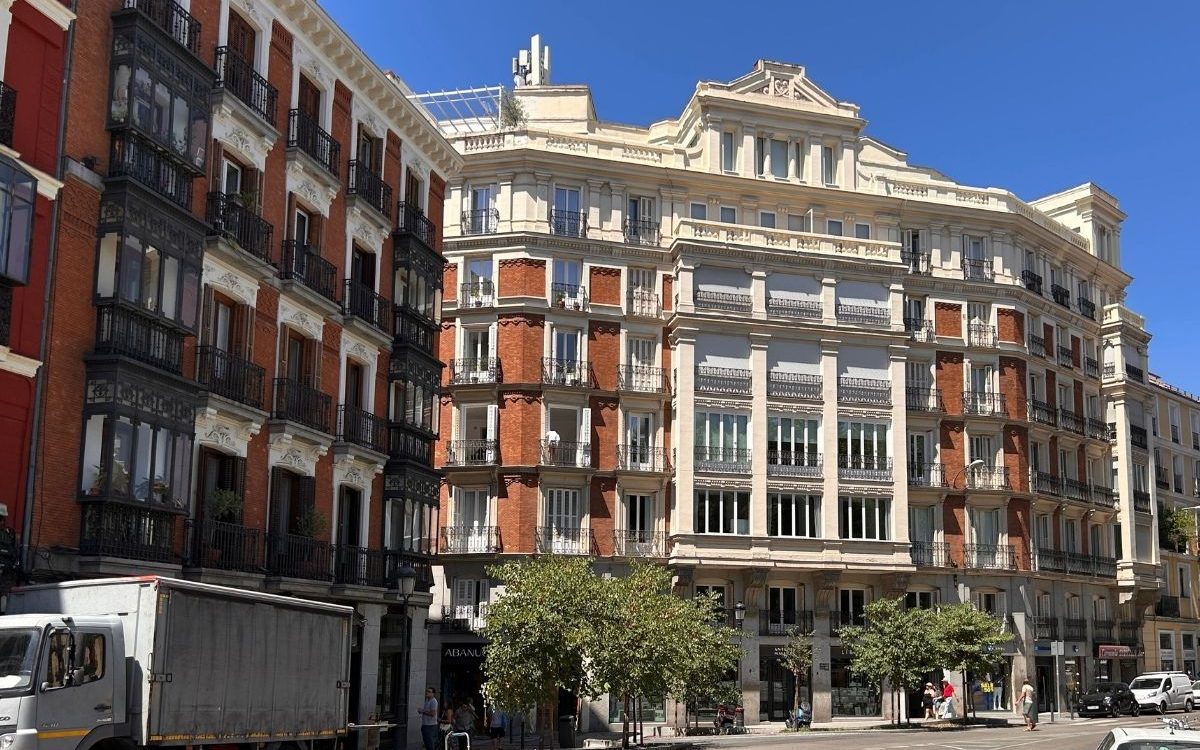
Jerónimos: where space becomesart in privilege
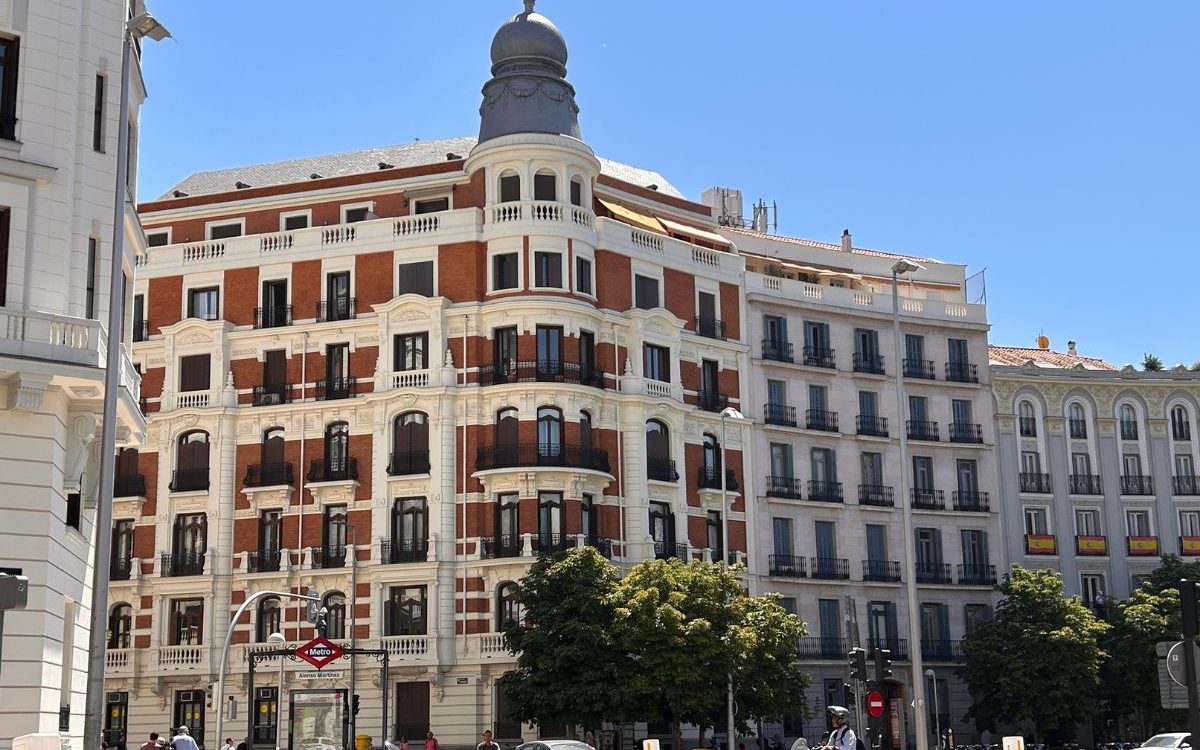
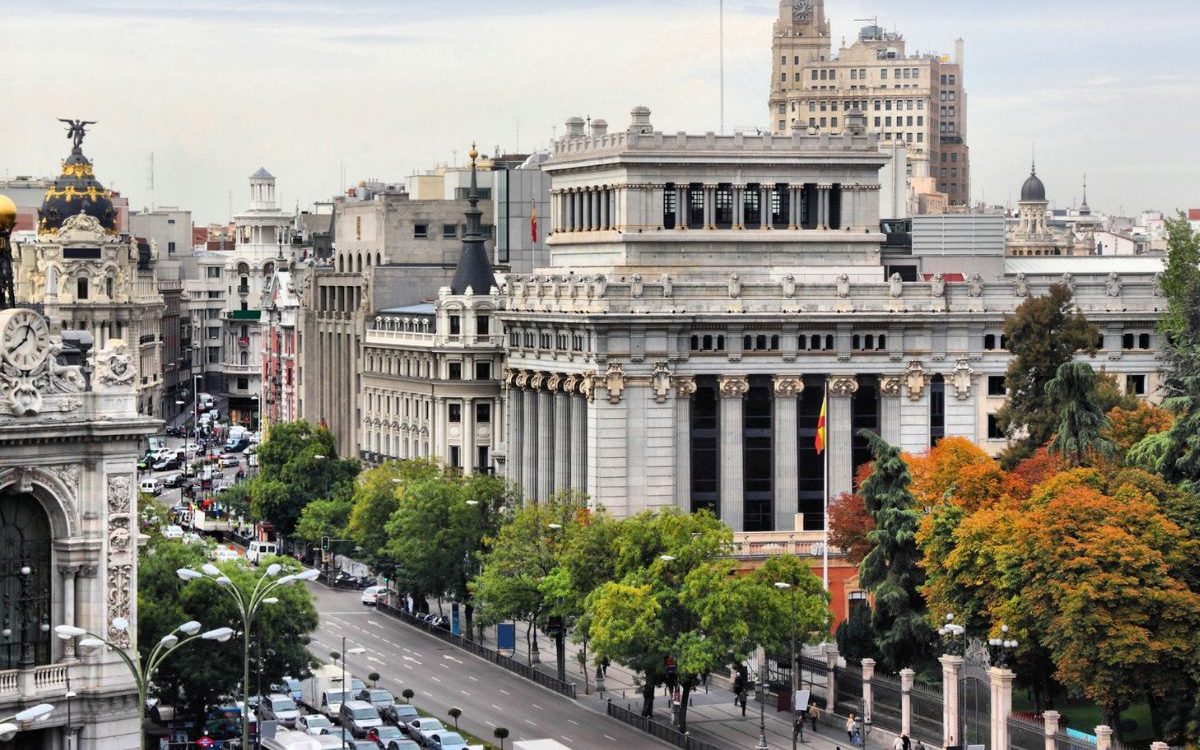
Jerónimos is another world. Located next to the Retiro Park and the Paseo del Arte —the Prado-Thyssen-Reina Sofía triangle—, it is probably the most unique neighborhood in Madrid's prime market.
Everything here is on a different scale. The avenues are wide. The buildings are imposing. The homes are spacious: the typical Jerónimos property ranges from 300 to 600 square meters, placing it in a segment where the buyer is looking for a residence, not just an apartment.
Prices in Jerónimos are among the highest in the entire Madrid prime market. It's a market with few properties and highly qualified demand, where the scarcity of comparable properties supports values that, in our experience, have continued to rise.
The experience of living in Jerónimos is one of silence on a Sunday morning at nine o'clock, when the Retiro Park is empty and the winter light streams through the windows of a third-floor apartment overlooking the park. That kind of experience can't be quantified in a report, but it's exactly what the buyer in Jerónimos is looking for—and paying for.
As we discussed in the article on How to decide which property to buy in Madrid, The fit between the neighborhood and the buyer's lifestyle is more crucial in Jerónimos than in any other area.
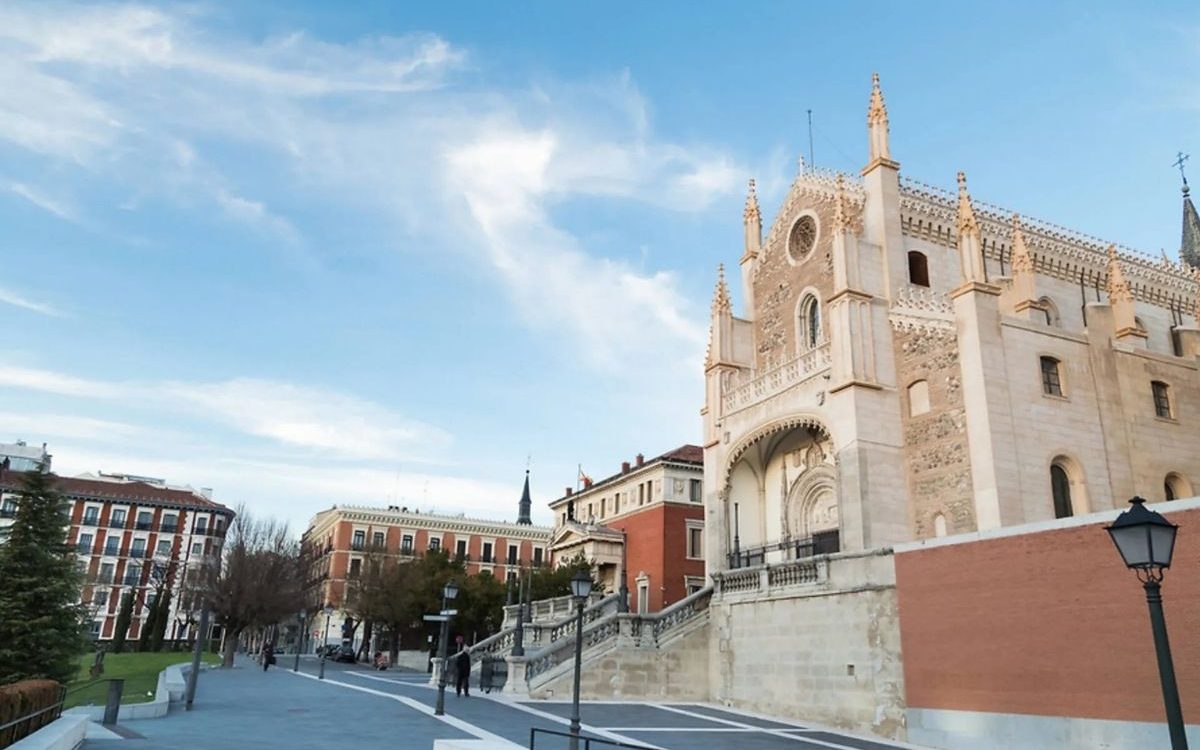
And the others: each neighborhood with its own logic
We've highlighted three iconic neighborhoods, but Madrid's prime market includes eleven others—each with its own distinct character. Recoletos boasts the greatest market depth in this segment. Goya and Lista offer a remarkable balance between commercial dynamism and residential quality. Castellana stands out as a representative thoroughfare with a unique urban scale.
At the other end of the spectrum, neighborhoods like Cortes y Letras and Malasaña represent the most accessible entry points to the prime market, offering a more specialized product but with potential for appreciation that warrants attention. El Viso, with its low-density development model, and Palacio, with the grandeur of the Plaza de Oriente, complete a map where no two neighborhoods are alike.
What matters: the fit between person and neighborhood
The right question is never 'What is the best neighborhood in Madrid?'. The right question is 'Which neighborhood fits what I'm looking for?'.
An executive who travels frequently and wants a base in Madrid needs Almagro or Recoletos. A young couple who want to experience city life needs Justicia or Malasaña. A family with children looking for space and a park needs Jerónimos or the El Viso area. An investor seeking potential for appreciation looks at the transforming neighborhoods in the city center.
That understanding—which goes far beyond square footage and price per square meter—is what transforms a chaotic search into a meaningful process. Choosing a neighborhood in prime Madrid is choosing how you want to experience the city. And in a city with this level of variety concentrated in such a small area, it's worth taking the time to understand it well before making a decision.
Choosing the right prime neighborhoods in Madrid is one of the key factors an international investor needs to consider before entering this market. The complete framework is organized as follows: the four pillars of knowledgeHow the market works, which neighborhoods concentrate the value, what types of properties exist, and how to make a good decision before buying.
Related articles
© Otto Bayt Real Estate SL All rights reserved.