
Comparing prime Madrid properties seems simple at first glance. Square footage, price, neighborhood. You put two listings side by side and look for the one that offers more for less. That's how it works in most markets—even in aggregated data from registry market— and with most products. But in Madrid's prime market, this approach leads to systematic errors.
The problem isn't that buyers don't know how to compare. It's that the relevant variables aren't listed in the product descriptions. And without those variables, the comparison is incomplete before it even begins.
The golden rule: only compare what is comparable
The first thing to check before comparing two assets is whether they are truly comparable. And in the prime market, the answer is 'no' far more often than you might think.
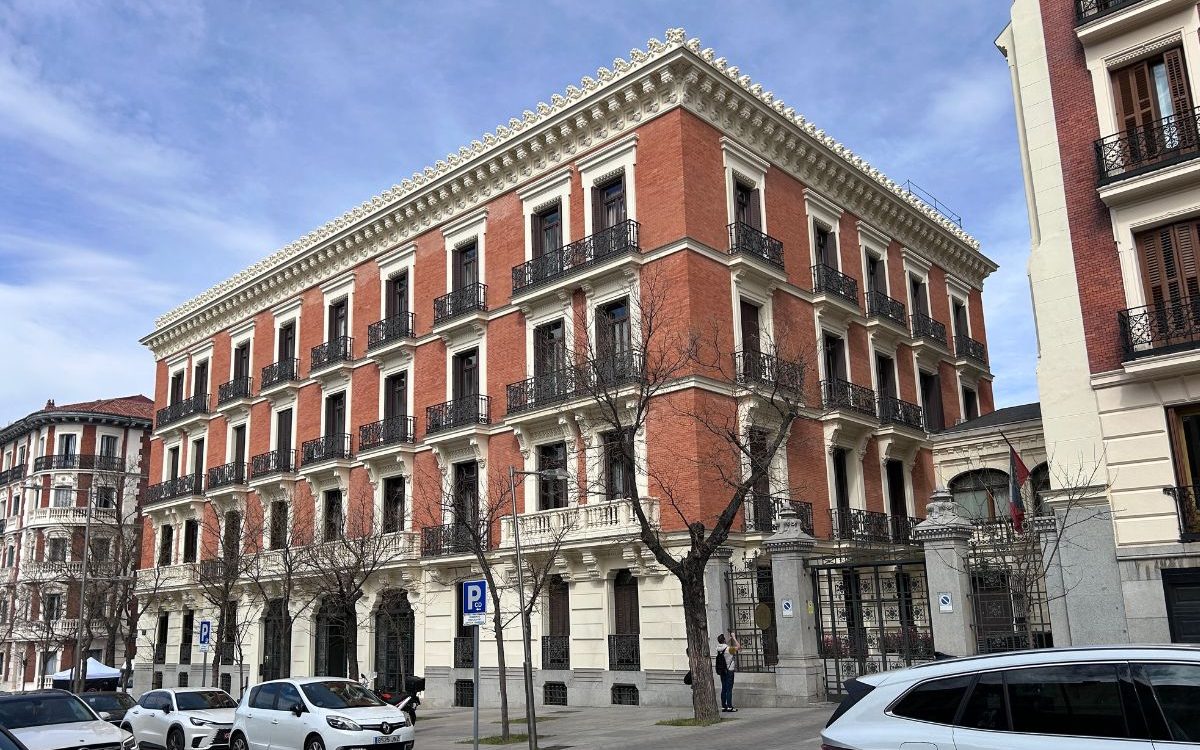
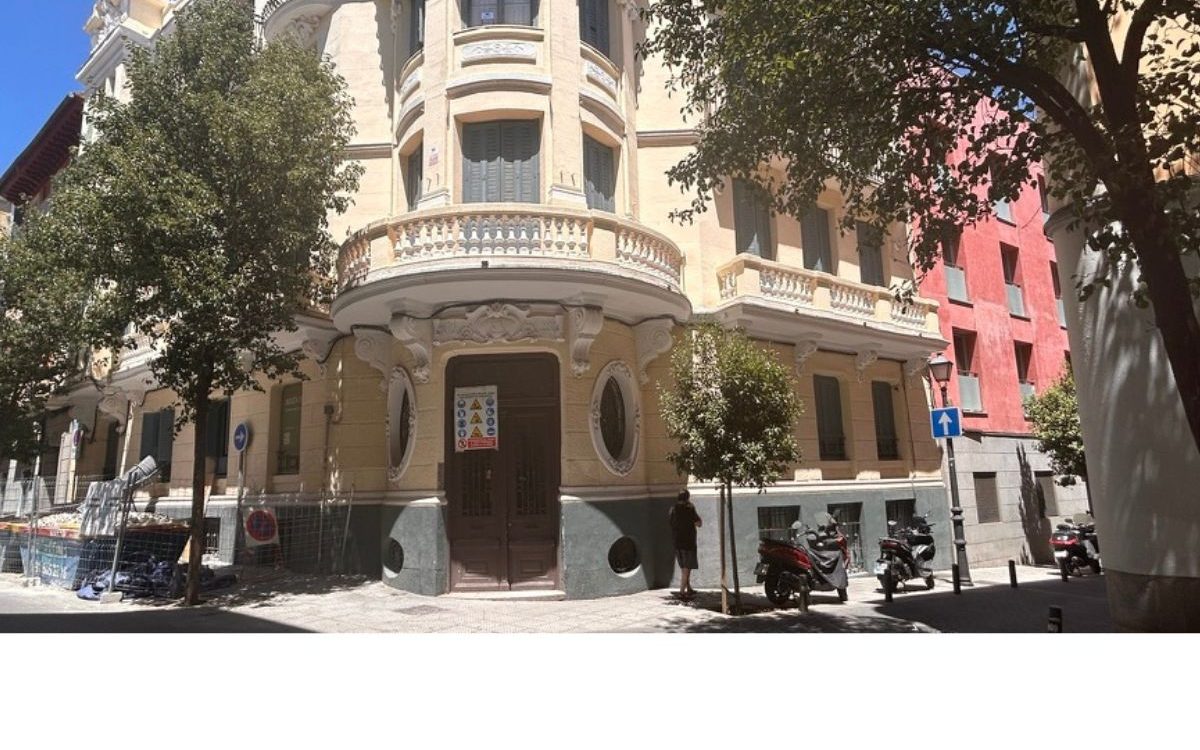
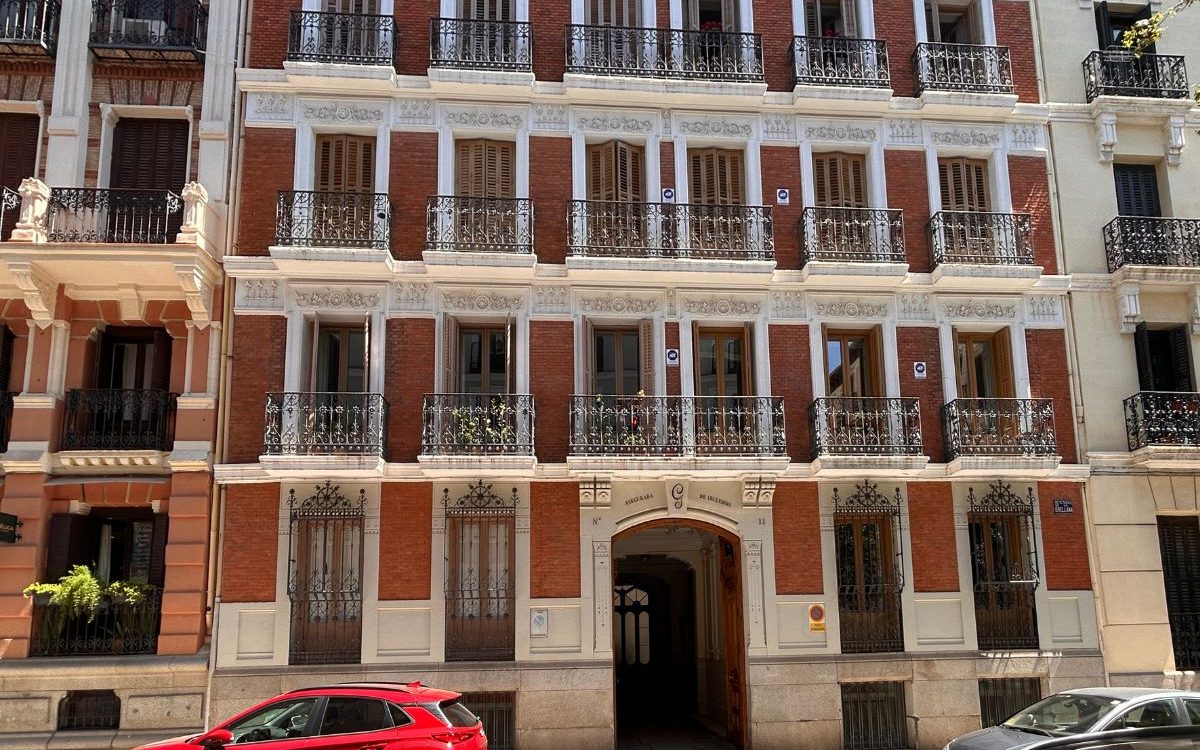
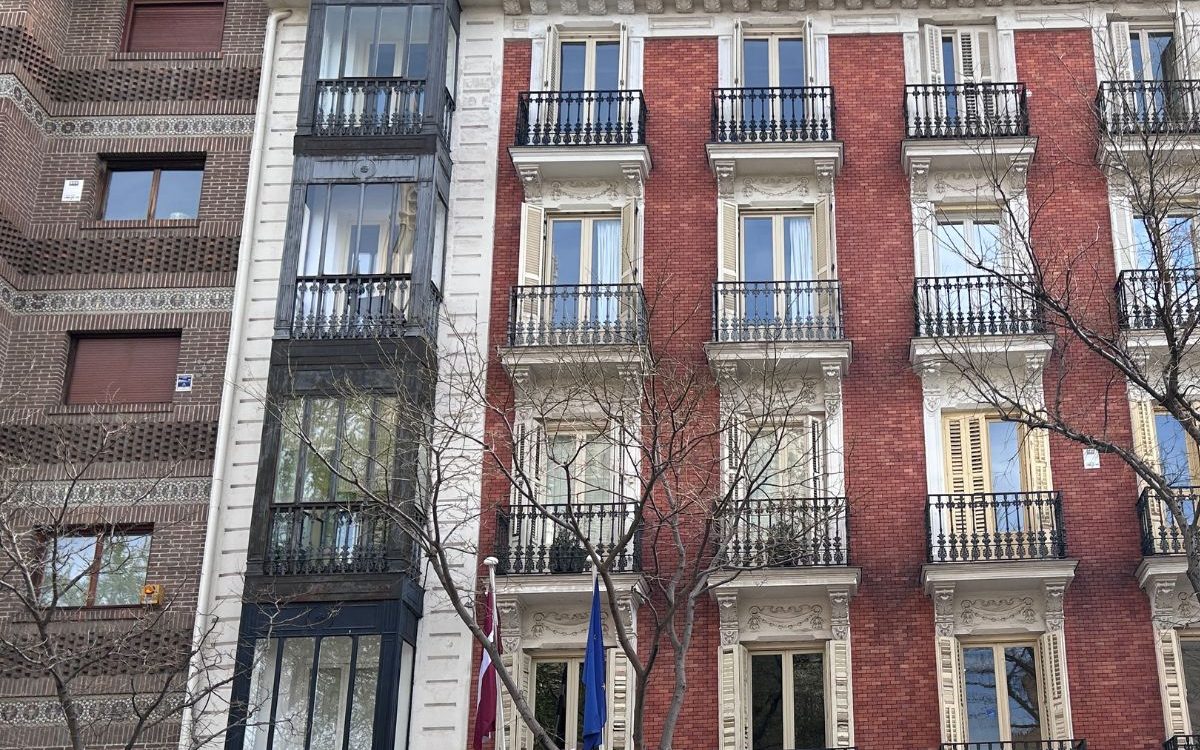
Two apartments of the same size in the same neighborhood, both renovated, can be radically different assets if they are in different buildings, on different streets, with different orientations, and with different levels of renovation. Comparing their prices as if they were equivalent is the source of most valuation errors.
Comparing prime Madrid properties: the 5-question checklist
- Is micro-location equivalent? Not the neighborhood: the street, the stretch of street, the orientation, the views, the immediate surroundings. The difference between a flagship street and a secondary street within the same neighborhood can be enormous. If the two properties don't have an equivalent micro-location, the price isn't directly comparable.
- Is the building on the same level? A classic 1910 building and a 1970s apartment block don't compete in the same market segment, even if they're on the same street. The price difference between building types can reach 20-35%. If the buildings aren't equivalent, the prices won't be either.
- Is the surface area measured the same way? One listing states square meters built; the other, cadastral square meters (which include common areas). In stately homes with spacious entrance halls, the difference between built and usable area can be very significant. Comparing without standardizing the area is comparing different things.
- Is the state really comparable? Within the same category —'renovated'— the disparity is enormous. A basic renovation and a top-level renovation are labeled the same on a portal, but the market values them radically differently.
- Do the numbers tell the same story? Once the four variables mentioned above have been verified, the price per square meter does become a useful indicator for comparison. But only between genuinely equivalent properties. If a property with similar characteristics on the same street is priced significantly higher than another, that difference must be explained by some specific variable. If none can be found, then one of the two is incorrectly priced.

The most expensive mistake: comparing against the wrong market
A common mistake among international buyers is comparing a prime property in Madrid against benchmarks in other markets. The comparison is understandable but pointless: each market has its own logic, and Madrid's prices are explained within Madrid itself, not by comparing them to London or Paris.
As we explained in the article about Madrid's prime market versus Europe, Structural differences between markets make direct comparisons misleading.
Comparing well leads to making good decisions.
In Madrid's prime market, decisions aren't made by looking at listings on portals. They're made by understanding assets. A proper comparison requires standardizing the variables, verifying real equivalence, and interpreting what the numbers don't show but the market itself reflects.
That level of analysis—property by property, data by data, with the right variables on the table—is what transforms a general impression into a decision with real foundation.
Knowing how to compare prime Madrid properties is just one aspect of the criteria an international investor needs before entering this market. The complete framework is organized as follows: the four pillars of knowledgeHow the market works, which neighborhoods concentrate the value, what types of properties exist, and how to make a good decision before buying.
Related articles

Why two prime properties in Madrid can have very different prices
Seguir leyendo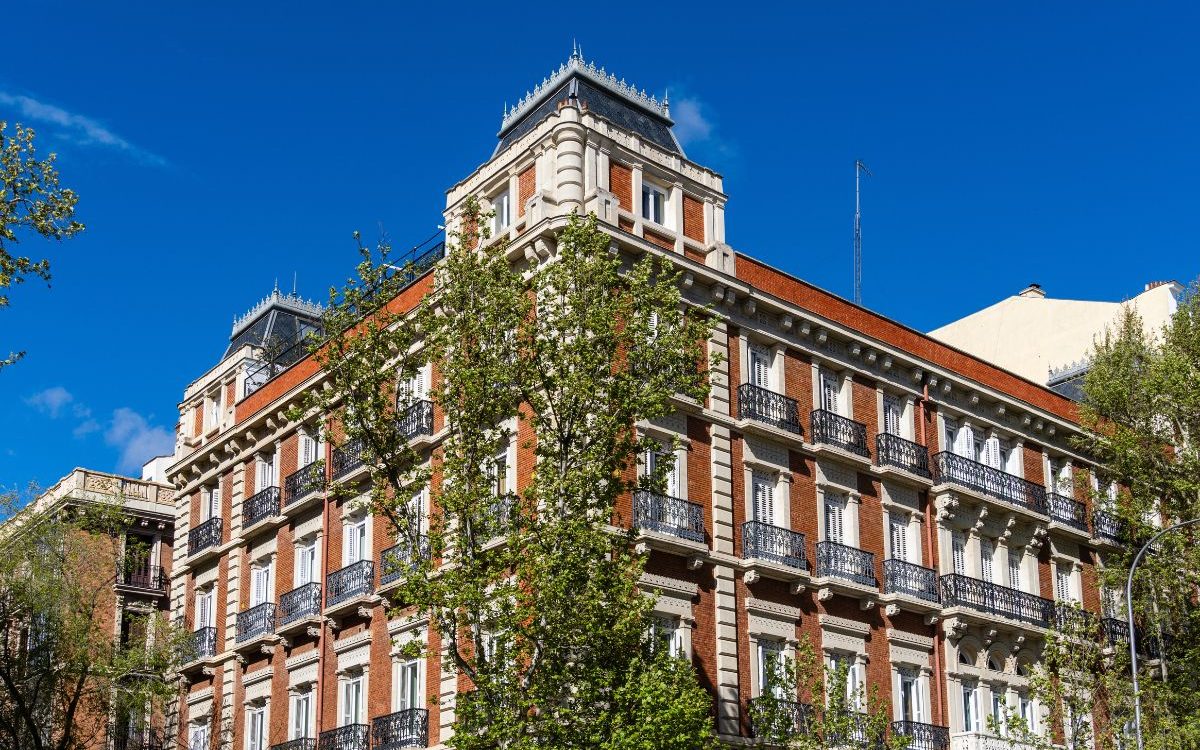
What factors determine the value of a super-prime asset in Madrid
Seguir leyendo
How to interpret the prime Madrid real estate map
Seguir leyendo