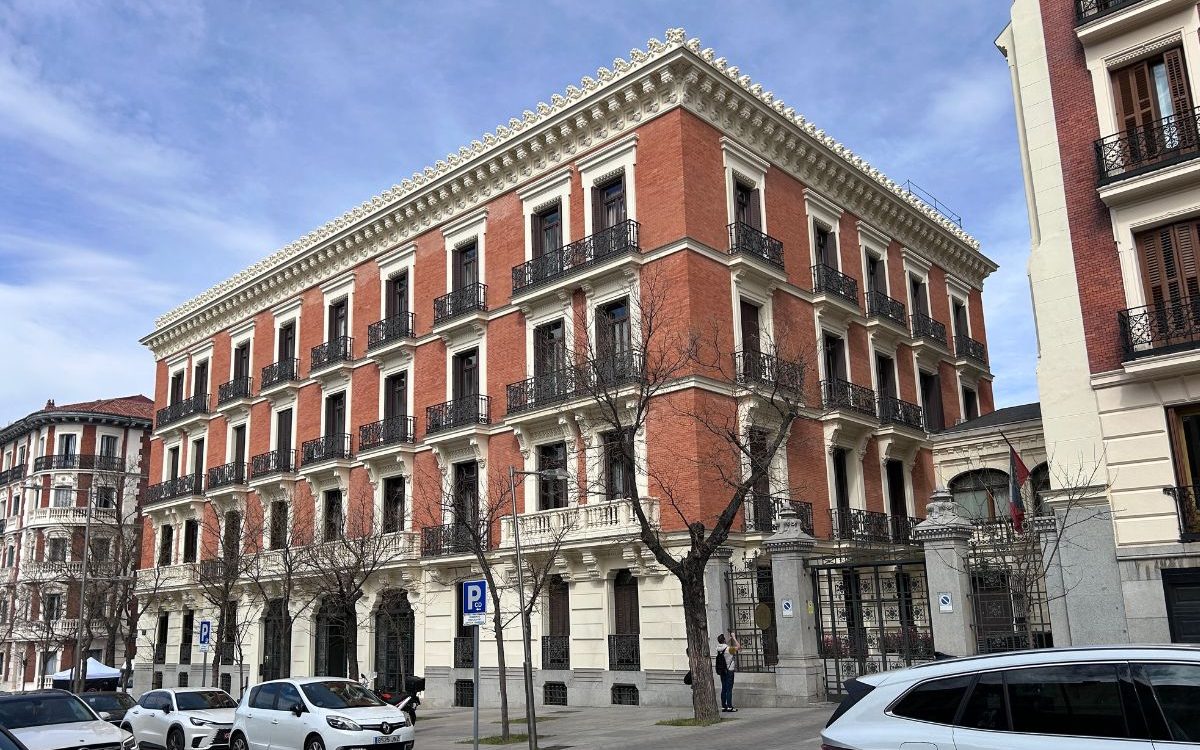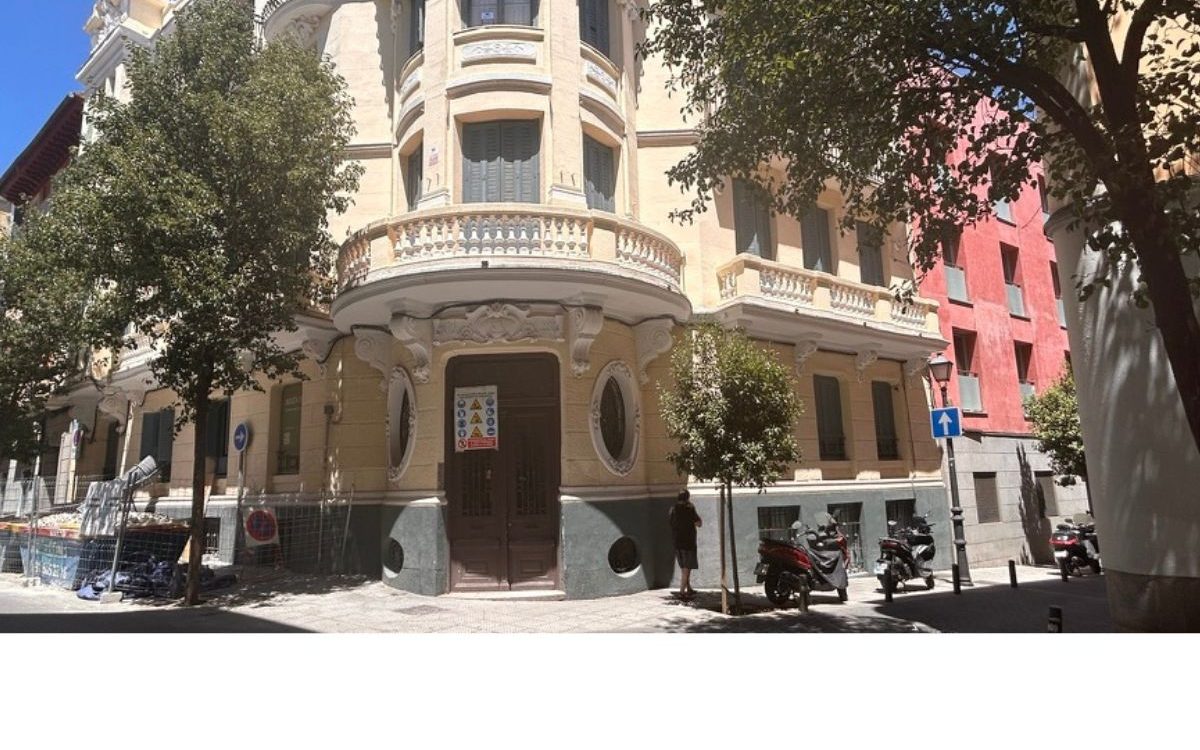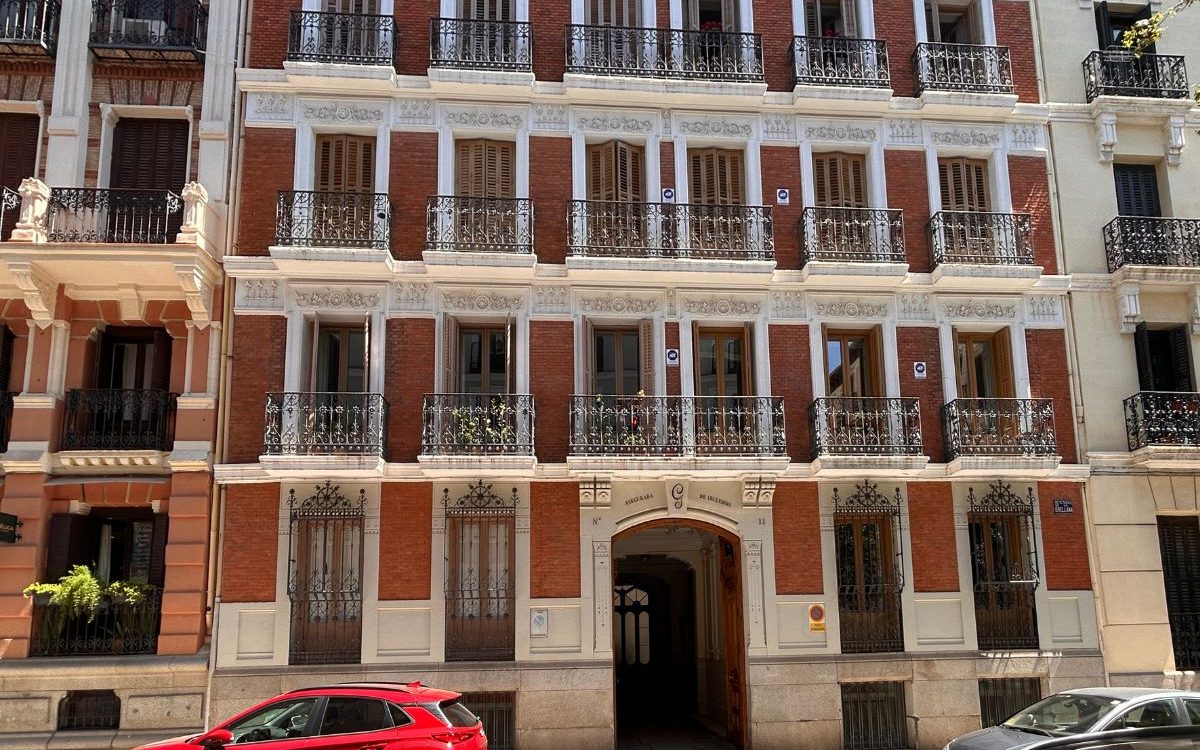
How much to invest in renovating prime Madrid properties is not the same question as how much it costs. In the article about How much does it cost to renovate a home in prime Madrid? We detail the components that make up the actual bill. But the cost isn't the relevant question. The relevant question is: how much of that investment will I recoup? Because spending a significant amount on a renovation that generates superior added value makes perfect sense. And spending that same amount on an intervention that the market doesn't recognize is a costly mistake.
This article is about that: where reform makes sense and where it doesn't.

The return of reform is not uniform
One of the most revealing findings when analyzing real-world transactions in the prime market is that the return on investment for renovations varies dramatically from one neighborhood to another. The logic is as follows: if the price difference between a property to be renovated and one that has already been renovated is greater than the total cost of the renovation, then renovating generates net value. If that difference is less, renovating destroys value.
In our experience analyzing the market, the result is clear: only in a limited number of neighborhoods does renovation generate a positive net return based on current data. These are usually neighborhoods in the consolidation phase, where the gap between gross product and finished product is still wide—the market has not yet closed the differential.
In more established neighborhoods, that gap has already narrowed—or even reversed. In these areas, the total cost of a renovation equals or exceeds the price difference between categories. In other words, buying a renovated property is the same price or cheaper than buying and renovating it yourself.
Consolidating neighborhoods vs. mature neighborhoods
Without going into specific figures—which depend on each specific asset and require a case-by-case analysis—the general pattern we observe is clear:
In neighborhoods where urban transformation is recent and the market is still maturing, renovation can be a rational strategy. An investor capable of executing a high-quality renovation that meets neighborhood standards can capture a value difference that the market recognizes.
In established neighborhoods, where finished products are already available at competitive prices compared to the raw material plus renovation costs, the strategy changes. Here, buying renovated properties is usually more efficient—both in economic terms and in terms of time and execution risk.
And in some atypical cases, the prices of properties needing renovation are higher than those of finished products in the same area. This occurs when a shortage of assets with renovation potential drives prices higher than expected. These situations are only detected when analyzing data neighborhood by neighborhood.
The decision cannot be generic
Deciding between buying a renovated property or buying one to renovate isn't a matter of taste. It's a matter of numbers. And those numbers vary so much from one neighborhood to another that any generalization is dangerous.
What we can say for sure, after years of analyzing transactions in these neighborhoods, is that most buyers who renovate without having done all the math ultimately discover they would have gotten the same result—or better—by buying a finished property outright. It's a lesson you learn with money or you learn with data. We prefer the latter.
This type of calculation —specific neighborhood, specific asset, real costs, honest comparison with finished product— is what makes the difference between a strategic decision and an emotional one.
Knowing how much to invest in renovations for prime Madrid properties is just one aspect of the criteria an international investor needs before entering this market. The complete framework is organized as follows: the four pillars of knowledgeHow the market works, which neighborhoods concentrate the value, what types of properties exist, and how to make a good decision before buying.
Related articles

How much does it cost to renovate a home in Madrid's prime market?
Seguir leyendo
How the condition of a property influences its value in Madrid's prime market
Seguir leyendo
What factors determine the value of a super-prime asset in Madrid
Seguir leyendo