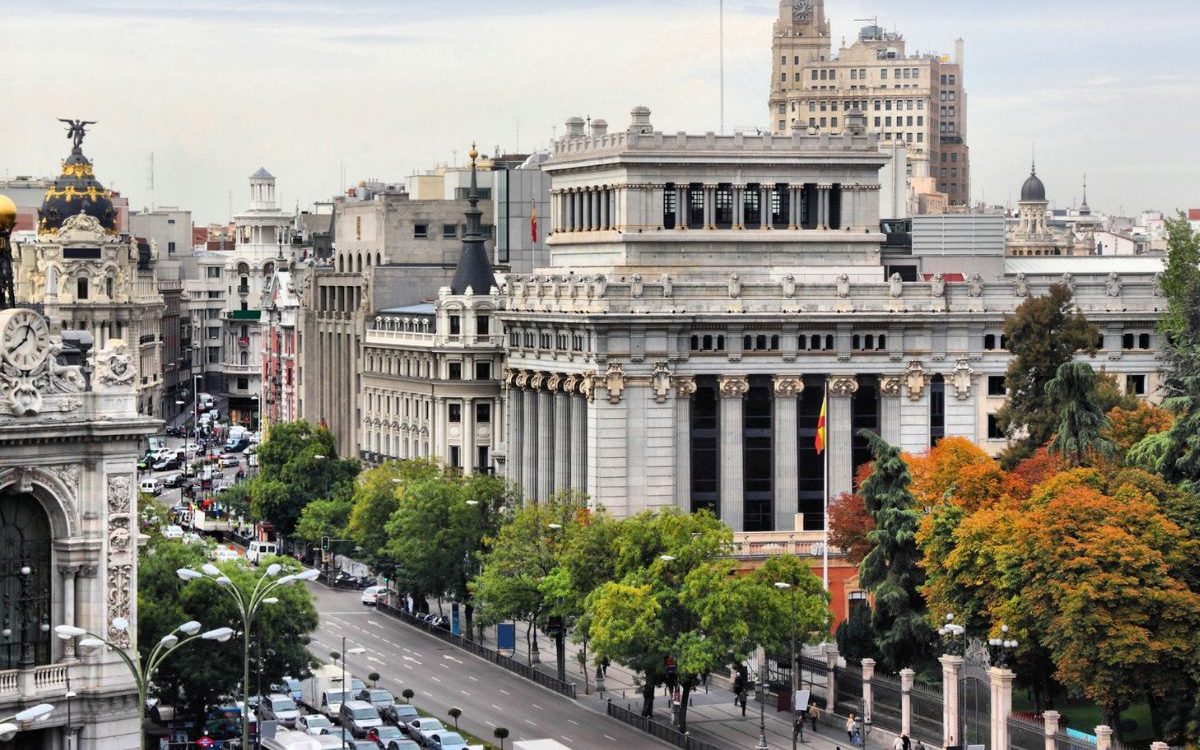
Madrid's prime real estate map surprises visitors for one specific reason: the compactness of its high-end residential market. Fourteen neighborhoods, all contained within a perimeter that can be explored on foot in under an hour. If we take the Puerta de Alcalá as a reference point, virtually the entire prime market lies within a two-and-a-half-kilometer radius.
This compactness is not anecdotal. It's one of the key factors that define how the market works and how value is built in each area. Understanding the real estate landscape before looking at properties isn't optional: it's essential for everything that follows to make sense.
As we explained in the article about Madrid's prime market versus Europe, This concentration is one of the most relevant structural differences compared to other capital cities.
The three axes that organize the market
Madrid's prime market is structured around three major urban axes that correspond to different moments in the city's history and that, even today, determine the residential character of each area.
The Salamanca-Recoletos axis: the heart of the market
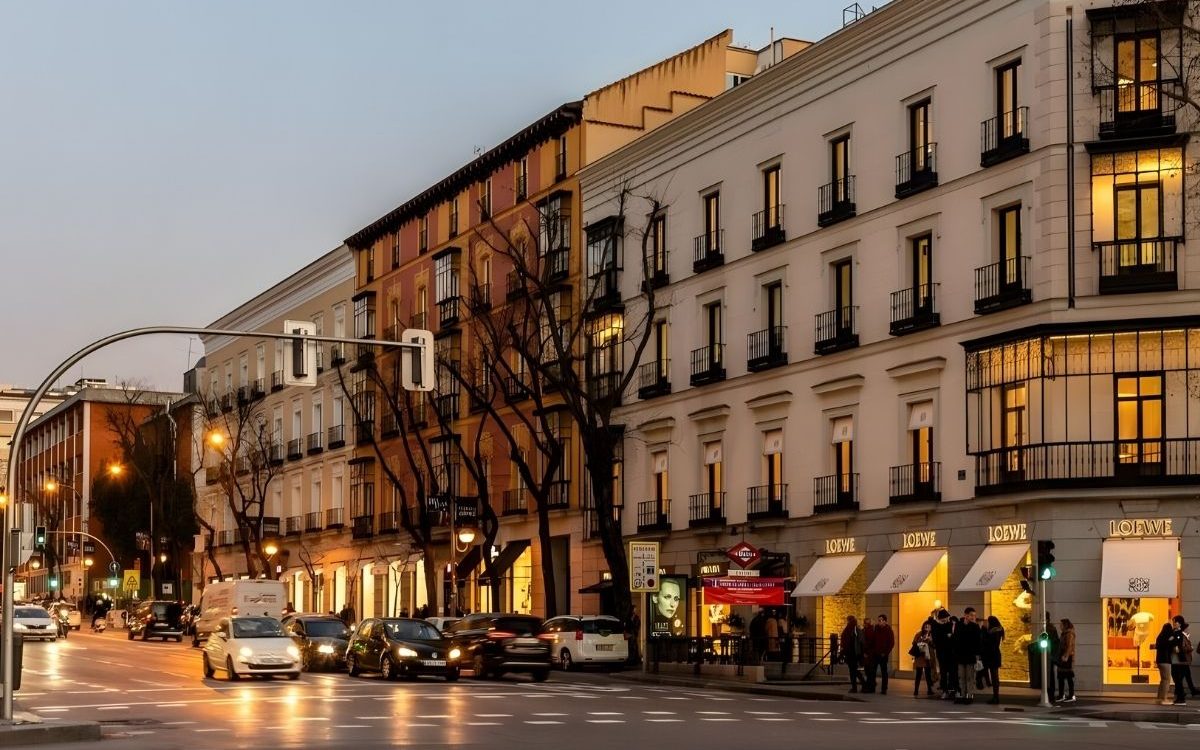
The Salamanca and Recoletos districts form the historical heart of Madrid's prime real estate market. The 19th-century expansion plan, with its wide streets and regular blocks, created an urban environment that remains the benchmark. It is the area with the greatest market depth, the highest transaction volume, and the strongest international demand.
The neighborhoods along this axis—Recoletos, Castellana, Goya, Lista—have the highest prices on the market. The difference between this area and the up-and-coming neighborhoods in the city center can exceed 401,000 Pounds per square meter, depending on the property category. It's a deep market with constant turnover and demand that has been steadily increasing in recent years.
The Chamberí axis: Almagro and its surroundings
To the northwest, the Chamberí district is home to some of the most sought-after neighborhoods for buyers looking for a more discreet and peaceful residential environment. Almagro, in particular, has established itself as one of the most coveted addresses on the market, with demand steadily increasing over the last three years. As we detail in the article on What differentiates neighborhoods like Almagro, Justicia, or Jerónimos?, Each area of the northwest axis has its own personality that should be understood before comparing.
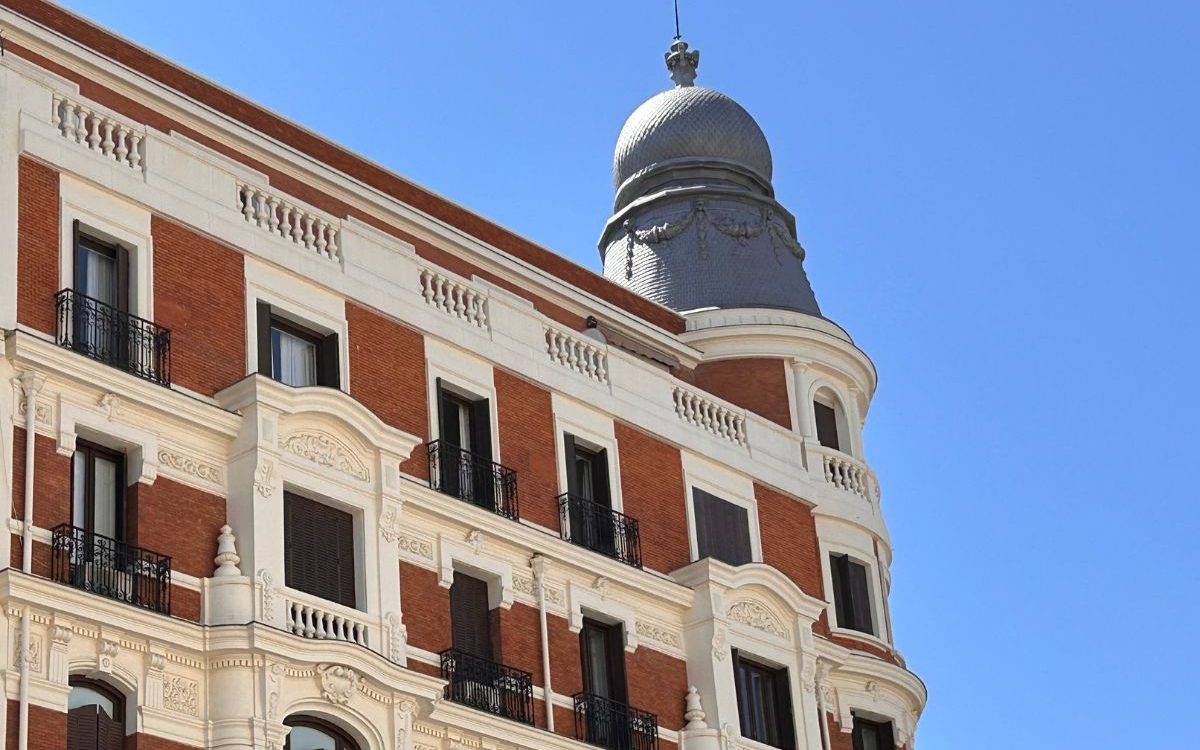
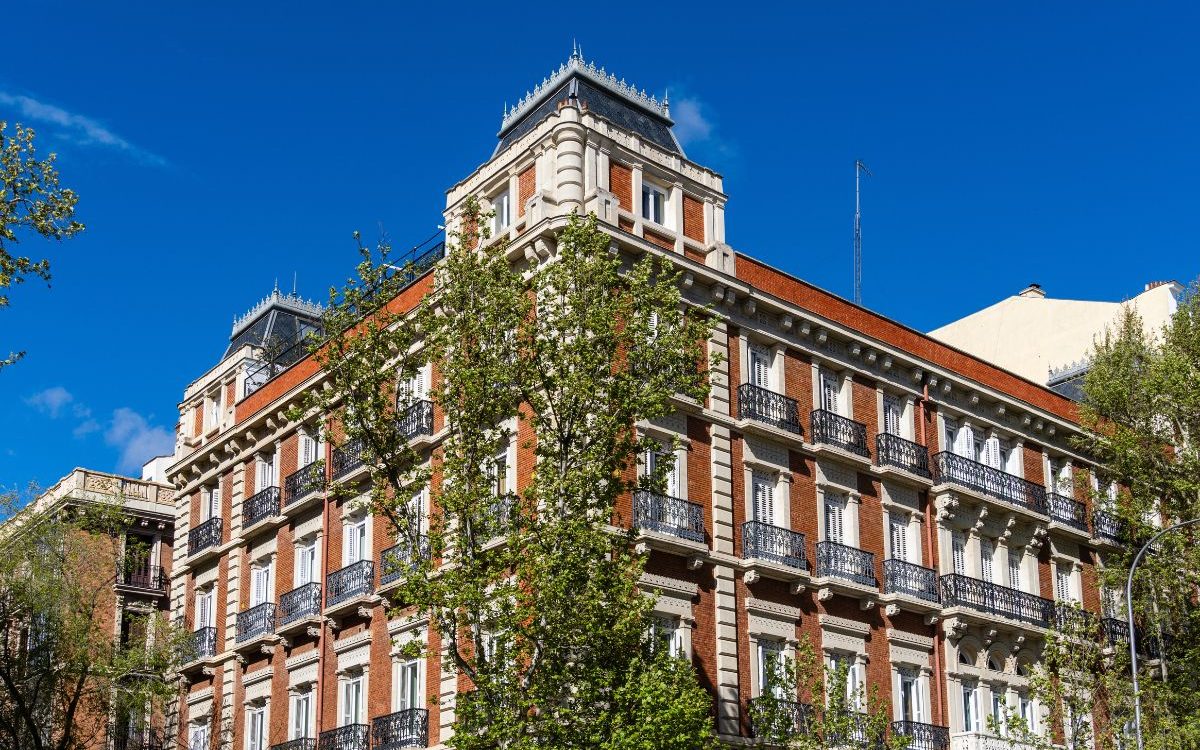
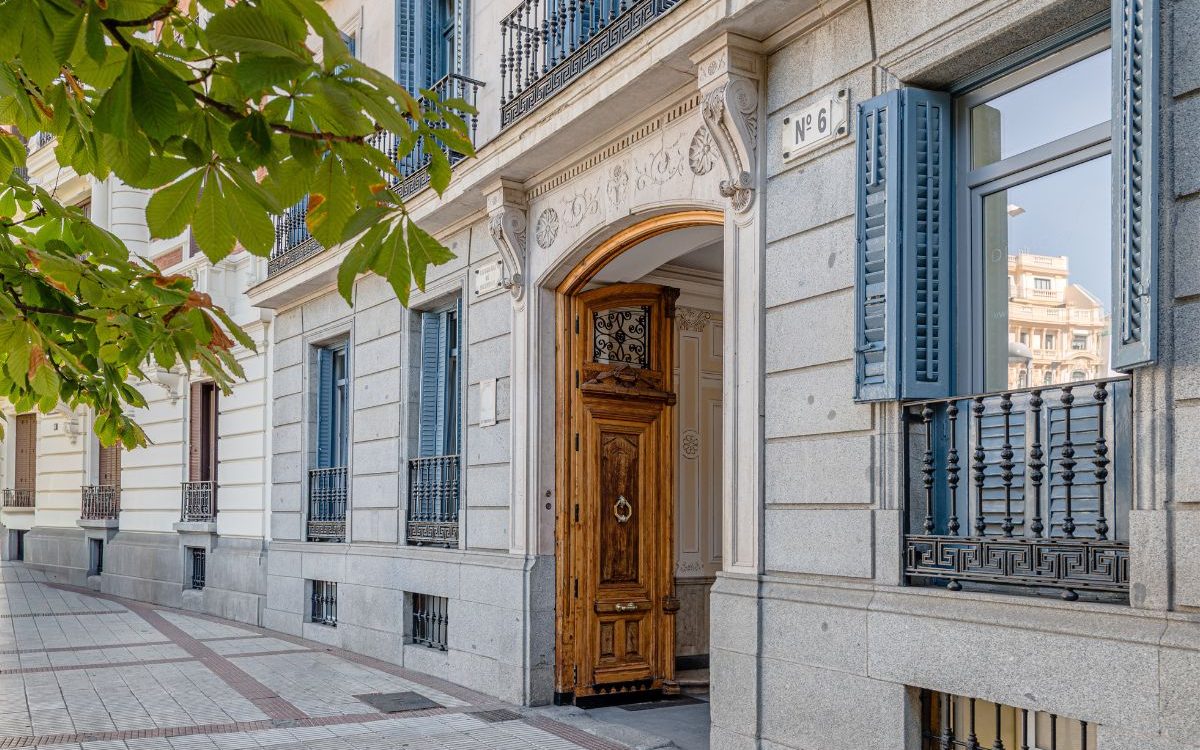
Homes here tend to be generously sized—between 200 and 400 square meters is typical—in stately buildings with architecture that speaks of solidity and permanence. Almagro's buildings feature spacious entrances, grand staircases, and ample common areas. This means that the actual usable floor area of each home can be considerably smaller than the total built area—a factor that, as we explained in the article on lTwo types of surfaces in the prime market of Madrid, Many buyers discover this late, and it has direct implications for calculating the investment.
The central-southern axis: Justice, Courts, Palace, Malasaña
The third axis groups together neighborhoods with distinctly different personalities. Justicia combines historic architecture with a vibrant urban life—galleries, restaurants, specialty shops—that attracts a more cosmopolitan buyer profile. It is one of the neighborhoods with the most sustained growth in the prime real estate market in recent years.
Cortes y Letras offers proximity to the Paseo del Arte with a more selective and focused character. Palacio, around the Plaza de Oriente, presents a market with properties that, in its best locations, compete with more established areas. And Malasaña, with more accessible entry prices within the prime segment, has consolidated its presence in the market over the last five or six years.
The extension neighborhoods: Jerónimos, El Viso, Ibiza, Nueva España
Outside of the three main axes, there are four neighborhoods that complement the map with their own characteristics.
Jerónimos, with its proximity to the Retiro Park and its large-scale architecture—homes ranging from 300 to 600 square meters—operates in a nearly exclusive segment where prices reach the highest levels in the entire market. As we analyzed in the article on What factors determine the value of a super-prime asset in Madrid, This segment follows its own logic that cannot be interpreted using standard indicators.
El Viso offers a low-density residential model, closer to the concept of an urban village. Ibiza presents a very specific micro-zone opposite Retiro Park with growing interest. And Nueva España, in the vicinity of Nuevos Ministerios, is experiencing sustained appreciation in value.
Questions every buyer should ask themselves when looking at a map
How many neighborhoods actually make up the prime market? Approximately fourteen. A manageable number that, once understood, allows you to read the entire market with ease.
Do all prime neighborhoods behave the same? No. The difference between the more established areas along the Salamanca axis and the emerging neighborhoods in the city center can be enormous—not only in price, but also in the type of property, buyer profile, and the rate of property appreciation. Understanding these differences neighborhood by neighborhood is precisely what allows for informed decision-making.
Where is there more upside potential? There are established areas where value is solid and predictable, and areas in transformation where the potential for appreciation is greater but requires more detailed analysis. Identifying which one fits each investor profile is one of the most important decisions in the process.
Understanding this real estate map is understanding Madrid. And understanding Madrid is essential for making informed investments.
Understanding Madrid's prime real estate map is just the first step in the criteria an international investor needs before entering this market. The complete framework is organized as follows: the four pillars of knowledgeHow the market works, which neighborhoods concentrate the value, what types of properties exist, and how to make a good decision before buying.